
Introduction
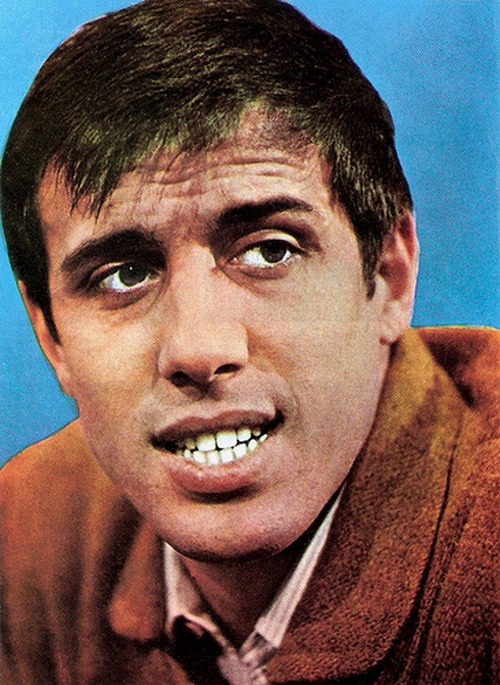
Adriano Celentano, often referred to as “Il Molleggiato” (The Flexible One), is a name that resonates deeply within the annals of Italian music, cinema, and popular culture. Born on January 6, 1938, in Milan, Italy, Celentano’s career has spanned over six decades, making him one of the most enduring and influential figures in the Italian entertainment industry. Known for his distinctive voice, unique style, and innovative approach to music and media, Celentano has left an indelible mark on multiple generations. This article explores the life and achievements of Adriano Celentano, offering insights into his rise to fame, his contributions to music and cinema, and his lasting impact on Italian culture.
Early Life and Beginnings
Adriano Celentano was born in Milan, in the now-famous Via Gluck, to parents who had migrated from the southern region of Puglia in search of better opportunities. Growing up in a working-class neighborhood, young Adriano was exposed to a variety of cultural influences, which would later shape his eclectic artistic style. After leaving school, Celentano worked as an apprentice clockmaker, a job he cherished for its precision and creativity.
However, it wasn’t long before Celentano’s passion for music began to dominate his life. Inspired by the emerging rock and roll scene in the United States, Celentano began performing in local venues, where his charismatic stage presence and unique vocal style quickly garnered attention.
The Birth of a Star: Rock ‘n’ Roll in Italy
Adriano Celentano’s big break came in 1957 when he participated in the first Italian Rock ‘n’ Roll Festival held at the Palazzo del Ghiaccio in Milan. Performing with his band, the Rock Boys, which included future Italian music legends Giorgio Gaber and Enzo Jannacci, Celentano captivated the audience with his rendition of “Ciao ti dirò.” This performance not only won him the competition but also marked the beginning of his rise to fame as Italy’s premier rock ‘n’ roll artist.
Following this success, Celentano signed his first recording contract with the Milanese label Saar. His early recordings, including covers of American rock hits like “Rip It Up” and “Jailhouse Rock,” quickly became popular, establishing him as a pioneer of rock ‘n’ roll in Italy. Celentano’s energetic performances and “molleggiato” dance moves earned him widespread acclaim and solidified his reputation as a trailblazer in the Italian music scene.
Film Debut and Cinematic Success
Celentano’s talent wasn’t confined to music alone. In 1959, he made his film debut in “I frenetici,” marking the beginning of a prolific acting career. The same year, he scored a massive hit with the song “Il tuo bacio è come un rock,” which dominated the Italian charts and further cemented his status as a superstar.
His foray into cinema reached new heights in 1960 when Federico Fellini cast him in the iconic film “La Dolce Vita.” Although his role was brief, Celentano’s performance left a lasting impression, showcasing his versatility as an entertainer. This film also introduced him to a broader international audience, further enhancing his fame.
Throughout the 1960s and 1970s, Celentano starred in numerous films, often combining his musical talents with his acting. Movies like “Urlatori alla sbarra” (1960) and “Il monaco di Monza” (1963), in which he starred alongside legendary comedian Totò, showcased his ability to seamlessly blend humor with music, making him a beloved figure in Italian cinema.
The Clan Celentano: A Revolutionary Venture
In 1961, Adriano Celentano took a bold step by founding his own record label, Clan Celentano. This move was revolutionary in the Italian music industry, as it allowed Celentano to gain creative control over his work and promote young talent. Clan Celentano was not just a business venture; it was an artistic collective where friends and collaborators could work in an environment that blurred the lines between work and play.
The label’s first release, “Stai lontana da me” (1962), was a massive success, topping the charts and selling over 1.3 million copies. Clan Celentano quickly became one of Italy’s most influential independent labels, launching the careers of several prominent artists, including Ricky Gianco, Don Backy, and Paolo Conte.
The success of Clan Celentano set a precedent in the Italian music industry, inspiring other artists to establish their own labels. The concept of an artist-driven label was revolutionary at the time, and Celentano’s vision of artistic independence and collaboration helped shape the future of Italian popular music.
Musical Evolution and Social Commentary
Adriano Celentano was not just an entertainer; he was also a keen observer of social issues, often using his music to address contemporary concerns. This was evident in 1966 when he released the now-iconic song “Il ragazzo della via Gluck” at the Sanremo Music Festival. Although the song was eliminated early from the competition, it went on to become one of the most beloved and enduring songs in Italian music history.
“Il ragazzo della via Gluck” was one of the first Italian pop songs to address environmental issues, lamenting the loss of green spaces in the name of urban development. The song struck a chord with listeners, selling over 1.5 million copies and being translated into 18 languages. This track marked a turning point in Celentano’s career, as he began to infuse his music with more profound social and political messages.
Celentano continued this trend with songs like “Mondo in mi 7a” (1966), which touched on topics such as nuclear power, drug addiction, corruption, and environmental degradation. His ability to blend catchy melodies with meaningful lyrics set him apart from his contemporaries, earning him a reputation as a socially conscious artist.
Iconic Hits and Collaborations
The late 1960s and early 1970s saw Adriano Celentano at the peak of his musical career. In 1968, he released “Azzurro,” a song written by Paolo Conte that became another of Celentano’s signature hits. “Azzurro” was a lighthearted and catchy tune that perfectly captured the Italian spirit, and it quickly became an anthem for the nation.
During this period, Celentano also collaborated with his wife, Claudia Mori, with whom he recorded the hit “La coppia più bella del mondo” (1967). This song, which celebrated their love and partnership, became a huge success, further solidifying their status as Italy’s most famous celebrity couple.
In 1972, Celentano once again proved his innovative spirit with the release of “Prisencolinensinainciusol,” a song performed in a nonsensical language meant to mimic the sound of American English. Although the lyrics were gibberish, the song was a huge hit, especially in the United States, where it is now recognized as a precursor to rap music. Celentano’s experimentation with rhythm and sound in “Prisencolinensinainciusol” showcased his willingness to push the boundaries of popular music.
Film Career and International Success
Adriano Celentano’s impact on Italian cinema cannot be overstated. From the 1960s through the 1980s, he starred in a series of successful films that made him a household name not just in Italy but across Europe. Films like “Serafino” (1968), directed by Pietro Germi, and “Yuppi Du” (1974), which Celentano wrote, directed, and starred in, were both critical and commercial successes.
“Yuppi Du,” in particular, was hailed as a masterpiece, with critics comparing Celentano to Charlie Chaplin for his ability to blend comedy with social commentary. The film won numerous awards and further solidified Celentano’s reputation as a multi-talented artist. The soundtrack, composed by Celentano, also topped the charts, demonstrating his prowess as a musician and composer.
Throughout the 1970s and 1980s, Celentano continued to dominate the Italian box office with hits like “Il bisbetico domato” (1980), “Innamorato pazzo” (1981), and “Asso” (1981). His films were known for their humor, charm, and often featured Celentano playing the role of the lovable rogue, a character that audiences adored.
Later Career and Enduring Legacy
Adriano Celentano’s influence extended well into the 1990s and 2000s. During this period, he released several successful albums, including “Il re degli ignoranti” (1991), “Arrivano gli uomini” (1996), and “Io non so parlar d’amore” (1999). The latter album, which featured collaborations with renowned songwriters Mogol and Gianni Bella, sold over 2 million copies and stayed in the Italian charts for 40 weeks, demonstrating Celentano’s continued relevance in the music industry.
In 1998, Celentano teamed up with the legendary Italian singer Mina to release the album “Mina & Celentano.” The album was a massive hit, selling over a million copies and showcasing the incredible chemistry between the two iconic artists.
Celentano also made a significant impact on Italian television, with programs like “Francamente me ne infischio” (1999) and “Rockpolitik” (2005), where he combined music with social and political commentary. These shows were highly successful, often sparking debates and controversies, and cemented Celentano’s status as a cultural icon who was not afraid to speak his mind.
Personal Life
Adriano Celentano’s personal life has been as much a subject of public interest as his professional achievements. In 1964, he married Claudia Mori, an actress, singer, and producer who has been his partner both in life and in work. The couple has three children: Rosita, Giacomo, and Rosalinda, all of whom have pursued careers in the entertainment industry.
Celentano and Mori’s marriage has endured for decades, a rarity in the world of show business. Their collaboration has extended beyond music and film, with Mori playing a crucial role in managing Celentano’s career and their family business, Clan Celentano.
Conclusion
Adriano Celentano is more than just an entertainer; he is a cultural institution. His contributions to music, cinema, and television have left an indelible mark on Italian culture, and his influence continues to be felt across generations. Celentano’s ability to evolve with the times while staying true to his artistic vision has ensured his longevity in an industry known for its fleeting fame.
With a career that spans over six decades, Adriano Celentano remains one of Italy’s most beloved and respected figures. His legacy is one of innovation, creativity, and a deep connection to the social and political currents of his time. As Italy and the world continue to change, Adriano Celentano’s work will undoubtedly continue to inspire and entertain for many years to come.


