
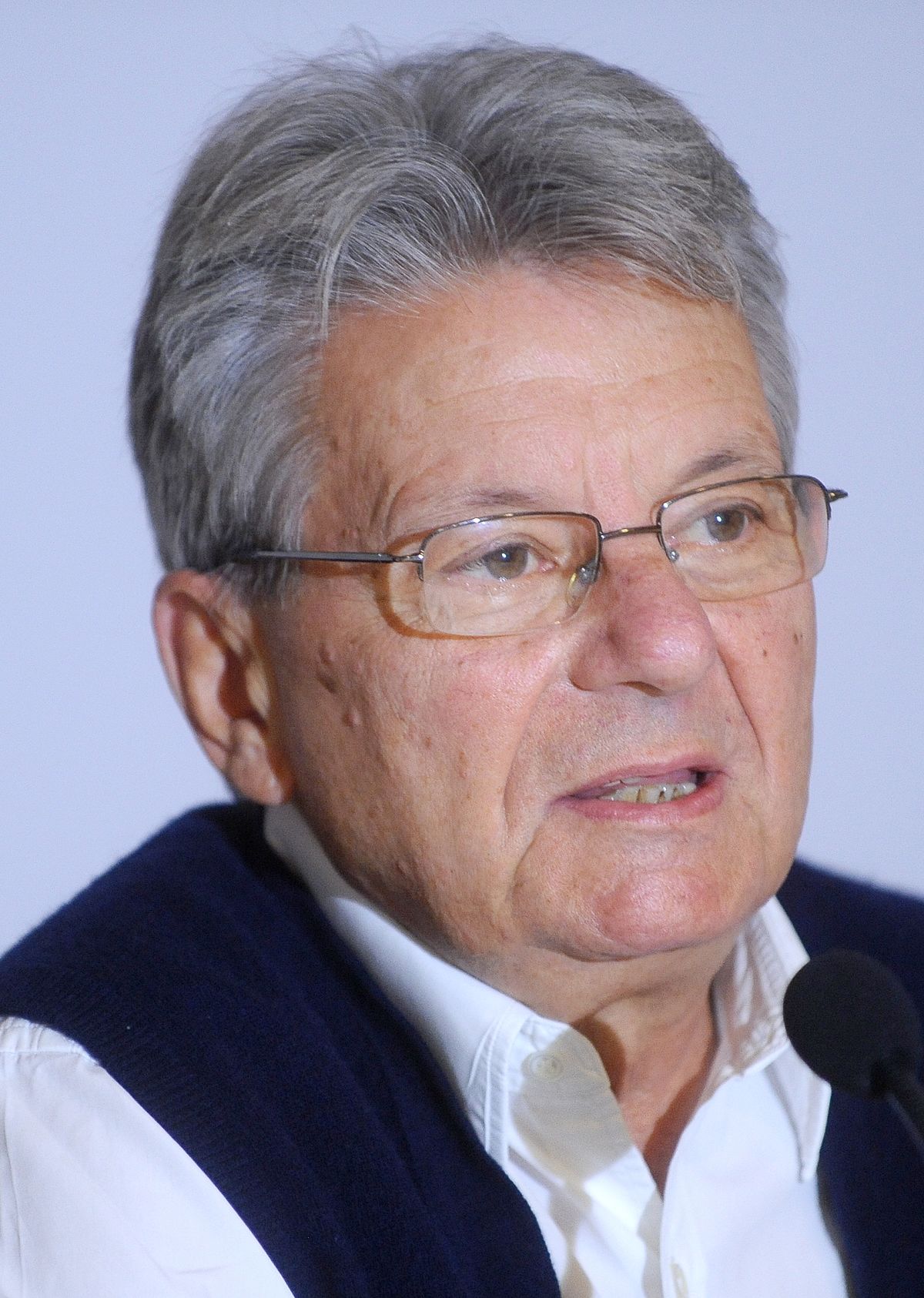
Adriano Sofri, born on August 1, 1942, is a figure whose life story intertwines with the turbulent political landscape of Italy during the 1960s and 1970s. His name is often associated with one of Italy’s most controversial and enduring legal cases, commonly referred to as the “Sofri Case.” This case, marked by intense political and social debate, reflects broader tensions in Italian society during a period of profound upheaval. In this article, we delve into the life of Adriano Sofri, exploring his rise to prominence, his involvement in political activism, and the events that led to his imprisonment.
Early Life and Political Involvement
Adriano Sofri was born in Trieste, a city with a complex history, located at the crossroads of Italian, Slovenian, and Austrian cultures. His upbringing in such a diverse environment likely influenced his later political views. Sofri’s early years were marked by intellectual curiosity and a strong inclination towards political activism. He studied at the prestigious University of Pisa, where he became involved in leftist politics during a time when Italy was undergoing significant social and political transformations.
In the late 1960s, Sofri emerged as a key figure in the Italian left-wing movement, particularly as a leader of the extra-parliamentary group Lotta Continua (Continuous Struggle). This organization was part of the broader autonomist movement, which sought to challenge the Italian state’s authority through direct action and grassroots organizing. Lotta Continua became one of the most influential radical leftist groups in Italy, advocating for workers’ rights, social justice, and anti-fascism.
The Calabresi Case and Legal Troubles
Sofri’s name became inextricably linked with the murder of Luigi Calabresi, a police commissioner in Milan, in 1972. This tragic event followed a series of highly charged incidents, beginning with the bombing of the National Bank of Agriculture in Milan’s Piazza Fontana in December 1969. The bombing, which killed 16 people, was initially blamed on anarchists. Among those accused was Giuseppe Pinelli, an anarchist railway worker who died under mysterious circumstances while in police custody. His death sparked widespread outrage among leftist groups, who accused the police, particularly Calabresi, of foul play.
Lotta Continua, with Sofri as one of its leaders, led a virulent campaign against Calabresi, accusing him of being responsible for Pinelli’s death. This campaign culminated in Calabresi’s assassination on May 17, 1972, an event that shocked the nation. Although Sofri was not immediately linked to the crime, the atmosphere of political violence and the intense media scrutiny eventually led to his arrest in 1988, more than 16 years after the murder.
The key evidence against Sofri came from the testimony of Leonardo Marino, a former member of Lotta Continua who turned state’s witness. Marino claimed that Sofri had ordered the assassination, while Ovidio Bompressi and Giorgio Pietrostefani, also members of Lotta Continua, were involved in its execution. Despite the lack of direct evidence and the questionable reliability of Marino’s testimony, Sofri, Bompressi, and Pietrostefani were convicted in 1990.
Imprisonment and Intellectual Life
Adriano Sofri’s imprisonment marked a significant chapter in his life. He was sentenced to 22 years in prison, a sentence that sparked widespread debate in Italy and beyond. Many intellectuals, politicians, and public figures questioned the fairness of the trial and the legitimacy of the conviction, viewing Sofri as a victim of political persecution rather than a criminal.
During his time in prison, Sofri continued to engage with the world of ideas and culture. He became an influential writer and public intellectual, contributing to various newspapers and publishing several books. His writings often reflected on his experiences in prison, the nature of justice, and the moral responsibilities of intellectuals in society. Sofri’s intellectual work earned him respect and admiration, even among those who did not share his political views.
Sofri’s case became a cause célèbre, with numerous campaigns advocating for his release. His supporters argued that the conviction was based on flimsy evidence and that the lengthy imprisonment was unjust. Over the years, calls for Sofri’s pardon grew louder, with many seeing him as a symbol of the Italian state’s failure to reckon with its complex and often violent past.
Health Issues and Conditional Release
In November 2005, Sofri’s imprisonment took a dramatic turn when he was hospitalized due to severe health problems, including the Mallory-Weiss syndrome, a condition that affects the esophagus. This development led to a temporary suspension of his sentence for health reasons. Subsequently, Sofri was placed under house arrest, where he continued to serve his sentence until its formal conclusion in 2012.
During this period, Sofri remained a vocal figure, continuing to write and engage with contemporary political and cultural debates. His health issues and the circumstances of his imprisonment further fueled public sympathy for his plight, and the debate over his guilt or innocence persisted.
Legacy and Controversy
The legacy of Adriano Sofri is a complex and contentious one. To some, he is a symbol of resistance against state oppression and a martyr of political justice. To others, he remains a controversial figure, whose involvement in the Calabresi case continues to cast a shadow over his legacy.
Sofri’s life and career are emblematic of the broader struggles that characterized Italy in the 1960s and 1970s, a period marked by political radicalism, social unrest, and a deep mistrust of state institutions. His story is intertwined with the history of the Italian left, the dynamics of political violence, and the challenges of navigating a deeply polarized society.
The “Sofri Case” also serves as a reminder of the complexities and challenges of administering justice in cases that are as politically charged as this one. The controversy surrounding his conviction highlights the difficulties of achieving a fair and impartial legal process in the context of intense public scrutiny and political pressure.
Final Reflections
Adriano Sofri’s life is a testament to the enduring power of ideas and the profound impact that political activism can have on both individuals and society as a whole. His journey from a young, idealistic activist to a convicted prisoner and later an influential intellectual reflects the tumultuous history of Italy during a period of profound change.
Sofri’s story is not just a personal one; it is also a reflection of the broader struggles and challenges faced by those who dared to challenge the status quo in a time of great uncertainty. Whether viewed as a hero or a villain, Adriano Sofri’s life and legacy continue to provoke debate and reflection, reminding us of the complexities of justice, the consequences of political activism, and the enduring power of ideas to shape the course of history.


