
Introduction
Alasdair Gray, born on December 28, 1934, in Riddrie, a suburb northeast of Glasgow, Scotland, is celebrated as a pioneering force in Scottish literature. Known for his eclectic blend of genres and distinctive style, Gray has left a lasting impact on contemporary literature and the visual arts. This article explores Gray’s life, career, and contributions to literature, highlighting the milestones and achievements that define his legacy.
Early Life and Influences
Alasdair Gray was born into a working-class family; his father, who had been injured in World War I, worked in a factory, while his mother worked in a shop. The challenges of growing up in a post-war, industrial Glasgow shaped Gray’s worldview and would later influence his work. During World War II, Gray was evacuated from Glasgow to the Perthshire and Lanarkshire regions, experiences that would profoundly impact his writing.
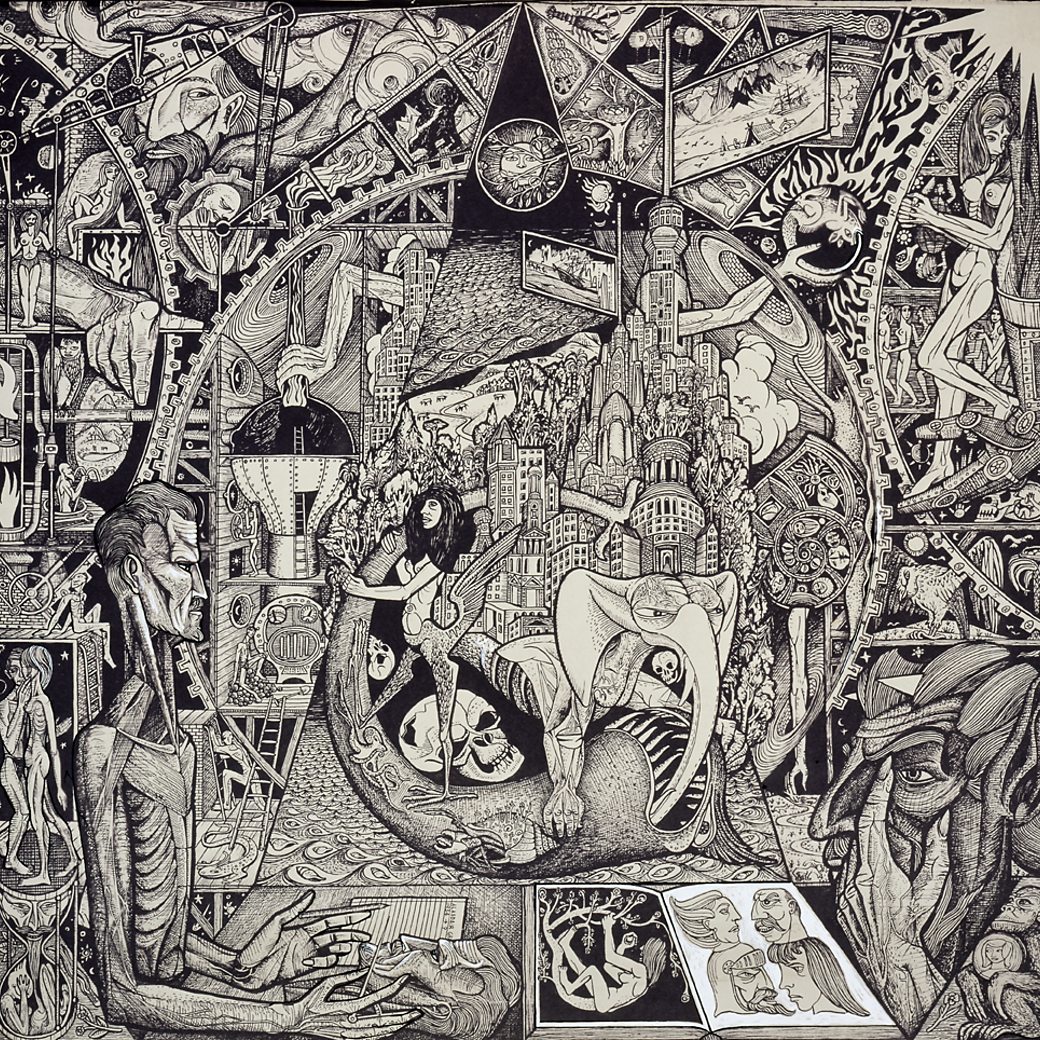
Gray’s early exposure to literature and art came from his education and a strong familial influence. He attended the Glasgow School of Art, where he studied painting and design. This period was crucial in developing his unique visual style, which would later permeate his literary works. Gray’s artistic background is evident in his novels, where he often incorporated his own illustrations, blending text and imagery in innovative ways.
Literary Career
Alasdair Gray’s literary career began with the publication of his debut novel, “Lanark” (1981), which took nearly three decades to complete. This ambitious work is considered a landmark in Scottish literature and has been praised as one of the 20th century’s essential literary contributions. “Lanark” is a complex narrative that combines elements of fantasy, science fiction, and social satire. It tells the story of a young artist navigating a dystopian society, reflecting Gray’s deep engagement with contemporary social issues and personal experiences.
The novel’s innovative structure and rich, multi-layered narrative were well received by critics. The Guardian described it as “one of the pillars of twentieth-century fiction,” underscoring its significance in the literary canon. The book’s success established Gray as a major literary figure and set the stage for his subsequent works.
Following the success of “Lanark,” Gray published several other influential novels. “1982, Janine” (1984) explores themes of love, obsession, and mental illness through a narrative that blends realism with surreal elements. “The Fall of Kelvin Walker: A Fable of the Sixties” (1985) offers a satirical look at the cultural and political changes of the 1960s. “Poor Things” (1992), one of Gray’s most acclaimed works, won the Whitbread Novel Award and the Guardian Fiction Prize. This novel, a reimagining of Mary Shelley’s “Frankenstein,” blends elements of science fiction and social critique, showcasing Gray’s imaginative storytelling.
In addition to his novels, Gray’s body of work includes poetry, short stories, essays, plays, and television scripts. His versatility as a writer is evident in his ability to traverse various genres and forms, contributing to his reputation as a multifaceted artist.
Artistic Contributions
Gray’s contributions extend beyond literature to the visual arts. Trained as a painter and designer, he infused his novels with original illustrations, creating a distinctive fusion of text and imagery. His artwork is characterized by its vivid colors, intricate details, and satirical elements, reflecting his unique perspective on society and culture.
His role as an artist was not limited to his own works; Gray also contributed to public art projects and exhibitions. His murals, which often featured themes of social and political commentary, were prominent in Glasgow and showcased his commitment to integrating art into everyday life.
Legacy and Impact
Alasdair Gray’s impact on literature and art is profound and enduring. His innovative approach to storytelling, blending genres and incorporating visual elements, has influenced a generation of writers and artists. Gray’s works are celebrated for their imaginative scope, social critique, and artistic vision, making him a significant figure in contemporary literature.
Gray’s contributions to Scottish culture and literature have been widely recognized. His novels, particularly “Lanark” and “Poor Things,” are considered classics and are studied for their inventive narrative techniques and thematic depth. Gray’s work has also contributed to the broader understanding of Scottish identity and culture, reflecting the complexities of life in Scotland.
Despite his passing on December 29, 2019, just a day after his 85th birthday, Alasdair Gray’s legacy continues to influence and inspire. His innovative storytelling, artistic achievements, and commitment to exploring societal issues have solidified his place as a major figure in modern literature and art.
Notable Works and Achievements
Throughout his career, Alasdair Gray authored several notable works, each contributing to his reputation as a groundbreaking writer and artist. Some of his significant works include:
- “Lanark” (1981): A seminal work in Scottish literature, blending fantasy, science fiction, and social commentary.
- “1982, Janine” (1984): A novel exploring themes of love and mental illness through a surreal narrative.
- “The Fall of Kelvin Walker: A Fable of the Sixties” (1985): A satirical examination of the cultural and political changes of the 1960s.
- “Poor Things” (1992): A reimagining of “Frankenstein,” combining elements of science fiction and social critique.
- “A History Maker” (1994): A novel exploring themes of history and identity through a complex narrative.
Gray’s achievements also include his contributions to public art and his role as a mentor to emerging writers and artists. His impact on Scottish culture and literature remains significant, and his works continue to be celebrated for their originality and depth.
Conclusion
Alasdair Gray’s life and career are a testament to his remarkable talent and creativity. From his early days in Glasgow to his rise as a prominent literary and artistic figure, Gray’s contributions have left an indelible mark on contemporary literature and art. His innovative approach to storytelling, combined with his artistic vision, has established him as a major figure in modern cultural history.
As readers and scholars continue to explore Gray’s works, his influence on literature and art remains evident. Alasdair Gray’s legacy endures through his groundbreaking novels, his artistic contributions, and his impact on Scottish culture. His creative vision and dedication to his craft ensure that his place in the literary and artistic pantheon remains secure.


