
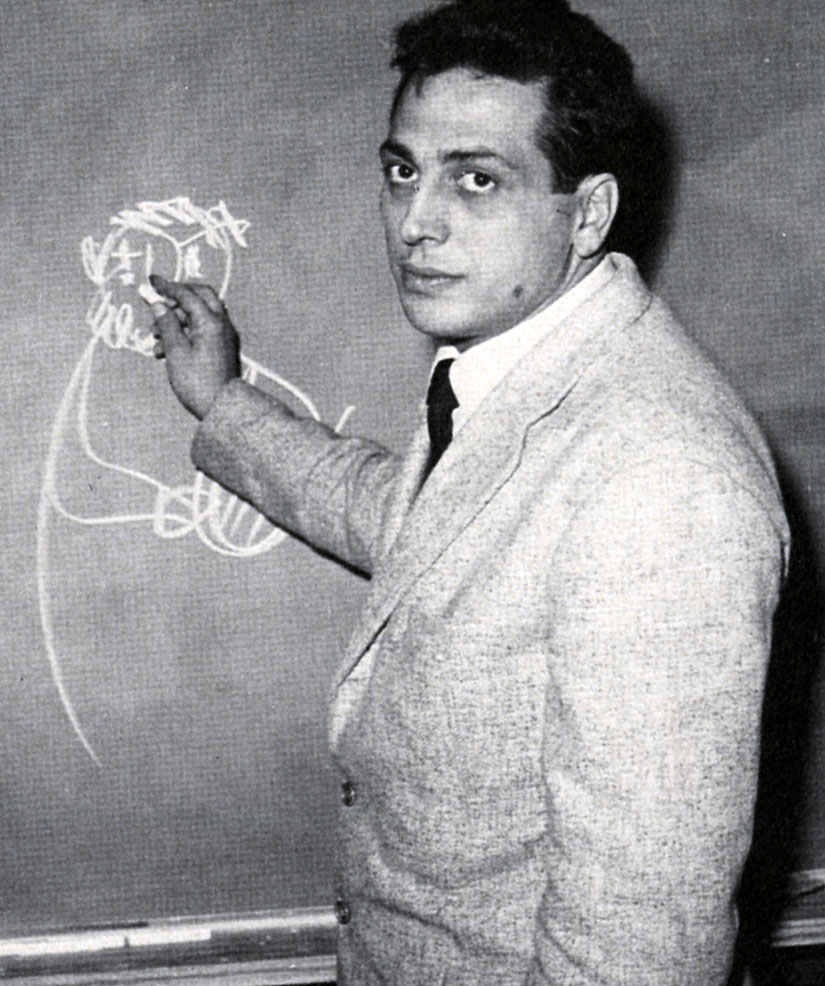
Alberto Manzi was an extraordinary figure in Italian education, whose influence stretched far beyond the classroom. Born on November 3, 1924, in Rome, Manzi’s life was a remarkable journey of intellectual pursuit, dedication to teaching, and a profound impact on the fight against illiteracy in post-war Italy. This article delves into the life, achievements, and enduring legacy of Alberto Manzi, exploring his contributions to education and society, while considering the broader historical context of his work.
Early Life and Education
Alberto Manzi’s early life was shaped by his diverse educational experiences. He pursued dual diplomas, graduating from both the Istituto Magistrale and the Istituto Nautico. This unique combination of qualifications laid the foundation for his innovative teaching methods, which later became a hallmark of his career. Manzi’s intellectual curiosity led him to enroll in the Faculty of Natural Sciences at the University of Rome, a choice that would further broaden his academic horizons.
War Experience and Post-War Transition
Manzi’s life took a dramatic turn during World War II, where he served in the Italian Navy, participating in submarine operations. Following the war, he joined the “San Marco” Battalion, a division associated with the British Eighth Army. This experience, marked by the harsh realities of war, undoubtedly influenced his later work, instilling in him a deep understanding of the human condition and the importance of education in rebuilding society.
In 1946, as Italy was emerging from the devastation of war, Manzi began his teaching career at the “Istituto di Rieducazione e Pena Aristide Gabelli” in Rome. It was here that he founded “La Tradotta,” the first newspaper of penal institutions, showcasing his belief in the transformative power of education, even within the prison system.
Academic Pursuits and Literary Achievements
Manzi resumed his academic studies in 1947, earning a degree in Biology. He continued to expand his academic portfolio by enrolling in the Faculty of Education at the University of Rome, where he later obtained degrees in Pedagogy and Philosophy, with a specialization in Psychology. His passion for literature and education also shone through in his creative endeavors, most notably with the publication of his novel “Grogh, storia di un castoro” in 1950, which won the prestigious Collodi Prize and was translated into 28 languages.
The Revolutionary Educator
In 1954, Manzi left the academic world to become a primary school teacher at the Fratelli Bandiera School in Rome. His career took a significant turn when he was assigned to teach at the San Michele juvenile detention center in Rome, a challenging environment where several teachers before him had failed. Manzi’s success in this role was a testament to his innovative and empathetic teaching methods, which focused on understanding and addressing the unique needs of his students.
“Non è mai troppo tardi”: The TV Program that Changed Italy
Alberto Manzi’s fame reached its zenith with the television program “Non è mai troppo tardi” (“It’s Never Too Late”), which aired from 1959 to 1968. This groundbreaking show was more than just a television program; it was a social movement that aimed to eradicate illiteracy in Italy, which was still prevalent in many parts of the country.
The concept of the show was simple yet revolutionary. Manzi delivered televised lessons aimed at adults who had missed out on basic education. Using a large pad of paper mounted on an easel and a piece of charcoal, Manzi would write letters, words, and simple sentences, often accompanied by symbolic drawings. His teaching style was engaging, accessible, and tailored to an audience that had little or no formal education.
Manzi’s approach was unique in that he rejected the scripted lessons provided to him and instead improvised, drawing on his deep understanding of pedagogy and his ability to connect with his audience. His lessons were not just about teaching literacy; they were about empowering individuals, giving them the tools they needed to improve their lives and participate more fully in society.
The impact of “Non è mai troppo tardi” was profound. It is estimated that nearly one and a half million people received their elementary school diplomas as a result of the program. For many, this was their first step towards greater social and economic opportunities. The show ran for nearly a decade and became a cultural phenomenon, illustrating the power of education delivered through mass media.
A Return to Traditional Teaching and Continued Advocacy
After the conclusion of “Non è mai troppo tardi,” Manzi continued to be involved in education, though his public appearances became less frequent. He returned to classroom teaching, where he remained a beloved figure among students and colleagues. However, his commitment to education extended beyond the classroom. Manzi participated in various campaigns to promote literacy among Italians living abroad and made several trips to Latin America to support the social development of impoverished rural communities.
In 1981, Manzi once again made headlines when he refused to comply with the newly introduced “evaluation forms,” which had replaced traditional report cards in Italian schools. His objection was rooted in his belief that education should not be reduced to a set of rigid assessments. Manzi argued that labeling a student with a fixed judgment was counterproductive, as children are constantly growing and evolving. His famous response, “Fa quel che può, quel che non può non fa” (“He does what he can, what he cannot do, he does not”), encapsulated his educational philosophy and sparked a national debate on the purpose and methods of student evaluation.
Legacy and Cultural Impact
Alberto Manzi passed away on December 4, 1997, at the age of 73. His death marked the end of an era, but his legacy lives on. Numerous schools across Italy are named in his honor, a testament to the lasting impact he had on generations of students and educators. In 2014, RAI, the Italian national broadcaster, produced a biographical TV series about Manzi’s life, with actor Claudio Santamaria portraying the iconic teacher. The series brought Manzi’s story to a new generation, highlighting the enduring relevance of his work and his contributions to education.
Conclusion
Alberto Manzi was more than just a teacher; he was a pioneer in the field of education, a social reformer, and a champion of the power of knowledge. His work on “Non è mai troppo tardi” not only helped to reduce illiteracy in Italy but also demonstrated the potential of media as a tool for social change. Manzi’s commitment to education, his innovative teaching methods, and his unwavering belief in the potential of every individual continue to inspire educators around the world. As we reflect on his life and achievements, we are reminded of the profound impact that a single dedicated educator can have on society.
Manzi’s story is a powerful reminder that education is not just about imparting knowledge; it is about empowering individuals to achieve their full potential and to contribute meaningfully to their communities. His legacy is a testament to the transformative power of education and the enduring importance of teachers in shaping the future.


