
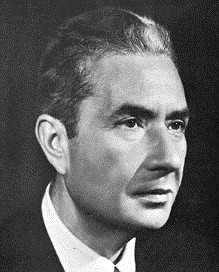
Aldo Moro stands as a pivotal figure in Italian history, remembered for his influential role in politics and his tragic fate. Born on September 23, 1916, in Maglie, Italy, Moro’s life was marked by significant political achievements and a harrowing kidnapping that captivated the nation. This comprehensive exploration delves into Moro’s life, career, and the indelible impact he made on Italian and global politics.
Early Life and Education
Aldo Moro was born in Maglie, a small town in the southern region of Puglia, Italy. His early years were shaped by a family deeply rooted in the Catholic faith and Italian nationalism. Moro’s father, Francesco Moro, was a teacher, and his mother, Marianna Rizzello, was a homemaker. The values of education and civic responsibility were instilled in him from a young age.
Moro’s academic journey began at the University of Rome La Sapienza, where he studied law. His academic prowess was evident as he excelled in his studies, earning a degree in 1938. During his university years, Moro was actively involved in political discussions and debates, a foreshadowing of his future role in Italian politics.
Political Ascent and Key Roles
Moro’s entry into politics was marked by his affiliation with the Christian Democracy (DC) party, which was a dominant force in post-war Italian politics. His political career began in earnest in the early 1940s. His work with the DC was instrumental in shaping Italy’s post-war reconstruction and its democratic institutions.
In 1955, Moro was appointed as the Minister of Education. His tenure was significant for reforms aimed at modernizing Italy’s educational system, including the expansion of university access and support for educational institutions. His commitment to education and his innovative policies earned him a reputation as a forward-thinking politician.
Moro’s role in shaping Italy’s political landscape continued to expand. In 1963, he became the Minister of Foreign Affairs, where he played a crucial role in Italy’s foreign policy and international relations. His efforts during this period helped to solidify Italy’s position within the European Community and fostered stronger relationships with other nations.
Prime Minister of Italy
Aldo Moro’s most notable role came in 1963 when he was appointed as Prime Minister of Italy. His tenure as Prime Minister was marked by his efforts to navigate Italy through a period of economic and political instability. Moro’s leadership was characterized by his dedication to bridging political divides and fostering cooperation among various political factions.
One of Moro’s significant achievements during his tenure was his focus on economic reforms aimed at addressing Italy’s economic challenges. He introduced policies designed to stimulate economic growth and reduce unemployment, laying the groundwork for Italy’s economic development in the subsequent decades.
Moro’s tenure was also marked by his efforts to strengthen Italy’s ties with the international community. His diplomacy and negotiation skills played a key role in advancing Italy’s position in global affairs and securing important agreements with other nations.
The Kidnapping and Political Crisis
The latter part of Moro’s life was marred by a tragic and highly publicized event—the kidnapping by the Red Brigades, a Marxist-Leninist terrorist organization. On March 16, 1978, Moro was abducted in Rome while on his way to a parliamentary session. The kidnapping shocked Italy and the world, as Moro was a prominent political figure and a symbol of Italy’s democratic stability.
The Red Brigades demanded the release of their imprisoned members in exchange for Moro’s life. The Italian government, led by then-Prime Minister Giulio Andreotti, faced immense pressure to negotiate with the kidnappers. However, the government’s refusal to meet the demands resulted in a prolonged standoff.
The 55-day ordeal ended tragically on May 9, 1978, when Moro’s body was found in the trunk of a car in Rome. His assassination was a devastating blow to Italy and marked a dark chapter in the country’s history. Moro’s death highlighted the severe threat posed by domestic terrorism and the challenges faced by democratic institutions in the face of extremist violence.
Legacy and Impact
Aldo Moro’s legacy is multifaceted, encompassing his significant contributions to Italian politics and the profound impact of his tragic end. His work as a politician and leader left an indelible mark on Italy’s political landscape. Moro’s commitment to democratic values and his efforts to foster political cooperation are remembered as pivotal aspects of his career.
The circumstances of Moro’s kidnapping and assassination prompted a reevaluation of Italy’s approach to combating terrorism and securing democratic institutions. His death galvanized efforts to address the threats posed by extremist groups and led to changes in Italy’s counter-terrorism policies.
In addition to his political achievements, Moro’s intellectual contributions and his commitment to democratic values have been the subject of extensive analysis and reflection. His writings and speeches continue to be studied for their insights into political strategy, governance, and the challenges of maintaining democratic stability.
Historical Context and Reflection
Aldo Moro’s life and career must be understood within the broader historical context of post-war Italy. The 1960s and 1970s were periods of significant political and social upheaval, characterized by economic challenges, political instability, and the rise of extremist movements. Moro’s efforts to navigate these challenges and promote democratic values were critical in shaping Italy’s development during this tumultuous period.
Moro’s kidnapping and assassination were emblematic of the broader struggle between democratic institutions and extremist ideologies. His tragic end underscored the vulnerability of democratic societies to internal threats and highlighted the need for robust security measures and resilient political institutions.
Conclusion
Aldo Moro’s life was a tapestry of political achievements and tragic events. From his early years in Maglie to his rise as a key political figure in Italy, Moro’s contributions to Italian politics were significant and far-reaching. His tragic kidnapping and assassination by the Red Brigades left a lasting impact on Italy and the world, prompting a reevaluation of democratic security and counter-terrorism strategies.
Moro’s legacy endures through his contributions to political thought, his role in shaping Italy’s post-war development, and the lessons learned from his tragic end. As we reflect on his life, it becomes clear that Aldo Moro remains a pivotal figure in the history of Italian politics, embodying both the challenges and triumphs of democratic governance.


