
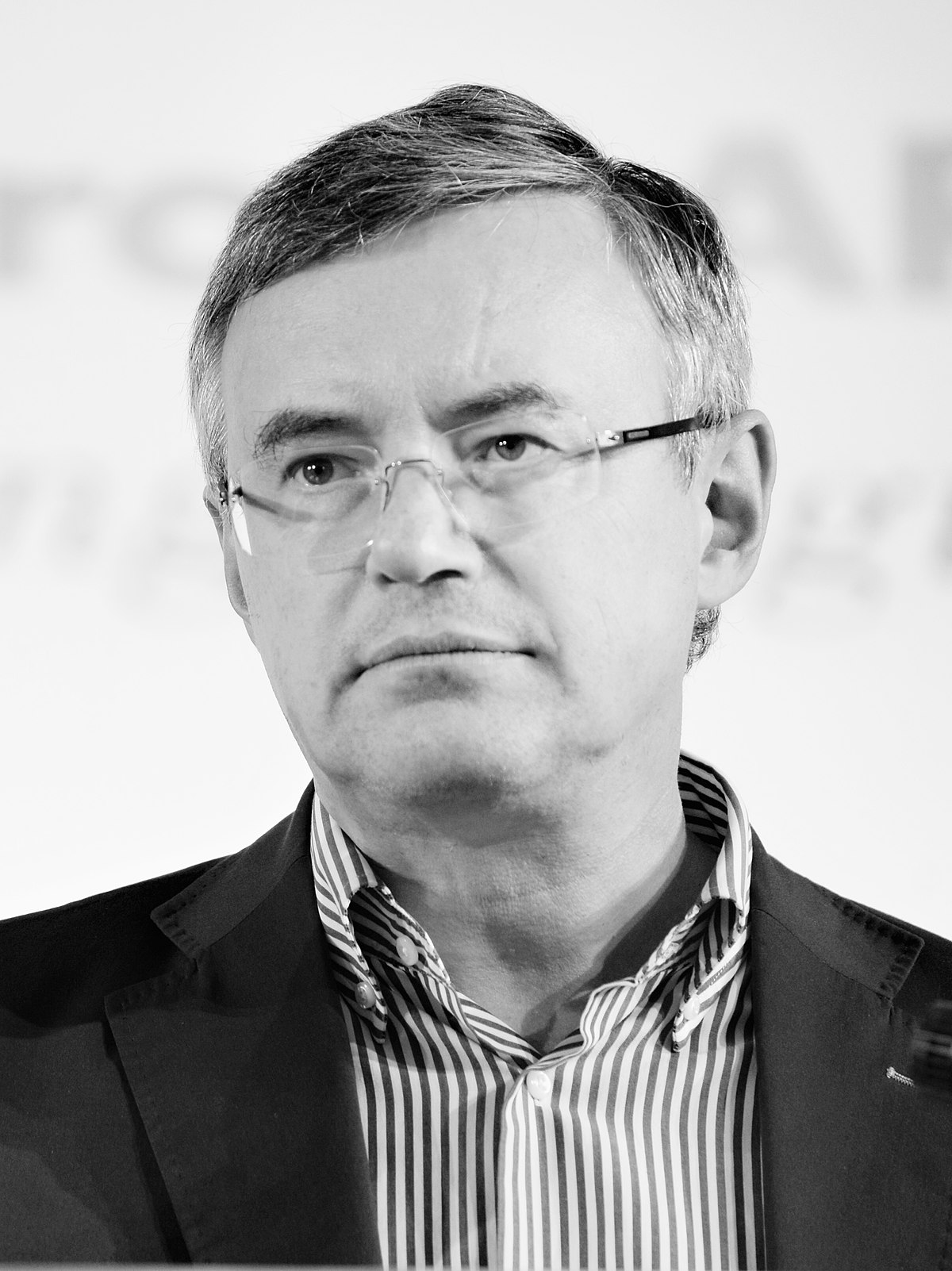
Alessandro Barbero, born on April 30, 1959, in Turin, Italy, is an acclaimed Italian historian, author, and academic. Renowned for his engaging lectures and accessible approach to complex historical subjects, Barbero has garnered a significant following both in Italy and internationally. This article explores his life, career, and contributions to the field of history, providing a comprehensive look at one of the most prominent figures in contemporary historical scholarship.
Early Life and Education
Barbero’s early years were marked by a keen interest in history and literature. He attended the prestigious Liceo Classico Cavour in Turin, where he excelled in his studies. This foundation set the stage for his further education at the University of Turin, where he graduated in 1981 with a degree in Literature. His thesis on medieval history, supervised by the eminent historian Giovanni Tabacco, reflected his deep passion for the Middle Ages and laid the groundwork for his future academic pursuits.
Academic Career and Research
Following his graduation, Barbero secured a position as a researcher at the University of Rome Tor Vergata. His academic career took off as he delved into medieval history, producing significant scholarly works that established his reputation in the field. In 1994, he co-authored the “Dizionario del Medioevo” with Chiara Frugoni, a comprehensive dictionary of medieval terms and concepts that became a valuable resource for students and scholars alike.
Barbero’s scholarly output continued to grow, and in 1996, he received the prestigious Premio Strega for his historical novel “Bella vita e guerre altrui di Mr. Pyle, gentiluomo.” This recognition further solidified his standing as a leading historian and author.
Major Publications and Contributions
One of Barbero’s most notable works is “Carlo Magno: Un Padre dell’Europa,” published in 2000. This biography of Charlemagne offered a nuanced and detailed portrait of the Emperor, emphasizing his role in shaping European history. The book was well-received and expanded Barbero’s audience beyond academia.
His interest in medieval history also led him to write extensively on various historical topics. His publications include detailed studies on the history of Vercelli, the Fortezza di Fenestrelle, and the socio-political dynamics of medieval Europe. These works have been praised for their rigorous scholarship and engaging narrative style.
Television and Media Presence
Alessandro Barbero’s ability to communicate complex historical ideas in an accessible and entertaining manner has made him a popular figure in the media. He became a regular contributor to the television program “Superquark,” hosted by the legendary Piero Angela. On this show, Barbero presented segments that delved into historical customs and practices, captivating a broad audience with his storytelling prowess.
Barbero’s media presence extended to other programs as well. He was involved in the “Festival della Mente,” where he delivered a series of lectures that further showcased his talent for public speaking. His collaboration with Piero Angela continued with the co-authored book “Dietro le quinte della storia,” which provided readers with behind-the-scenes insights into historical events and figures.
Online Fame and Influence
In the digital age, Alessandro Barbero’s reach has expanded exponentially. Videos of his lectures and presentations have garnered hundreds of thousands of views on platforms like YouTube. His engaging style and ability to make history relatable have endeared him to a new generation of history enthusiasts. Despite not actively managing social media accounts, Barbero has become a star of the internet, with numerous fan pages and online communities dedicated to his work.
Political Views and Public Stance
Barbero’s intellectual curiosity and critical thinking extend to his views on contemporary issues. He has not shied away from expressing his opinions on political matters. For instance, he publicly criticized the European Parliament’s 2019 resolution condemning all totalitarian regimes, arguing that equating Nazism and Stalinism oversimplifies complex historical realities. His nuanced approach to history and politics reflects his commitment to scholarly rigor and intellectual honesty.
Personal Life
Despite his public persona, Alessandro Barbero maintains a low profile regarding his personal life. He is married to Flavia, and they have a son who works as a journalist in Paris. Barbero’s dedication to his family and his ability to balance his personal and professional life are evident in his ongoing contributions to both academia and public discourse.
Retirement Announcement
On January 21, 2024, Alessandro Barbero announced his retirement from his position as a professor of medieval history at the University of Eastern Piedmont. This decision marked the end of an era in his academic career, but it also opened new possibilities for his continued engagement with the public and historical scholarship.
Legacy and Impact
Alessandro Barbero’s legacy is multifaceted. As a historian, his rigorous research and insightful publications have significantly advanced our understanding of medieval history. As an educator, his ability to make history accessible and engaging has inspired countless students and history enthusiasts. As a public intellectual, his thoughtful commentary on contemporary issues has contributed to important debates about the role of history in society.
Barbero’s work exemplifies the best of historical scholarship: a commitment to uncovering the complexities of the past, a dedication to rigorous research, and a passion for sharing knowledge with others. His influence will undoubtedly continue to shape the field of history and inspire future generations of scholars and students.
Conclusion: A Scholar and Communicator
Alessandro Barbero’s career is a testament to the power of scholarship and the importance of effective communication. His ability to bridge the gap between academia and the public has made history more accessible and engaging for a broad audience. As he transitions into retirement, his contributions to the field of history and his impact on public understanding of the past will endure.
Barbero’s story is one of passion, dedication, and intellectual curiosity. From his early days as a student in Turin to his rise as a renowned historian and public figure, he has consistently demonstrated a commitment to excellence in all his endeavors. His work reminds us of the value of understanding history and its relevance to our lives today.


