
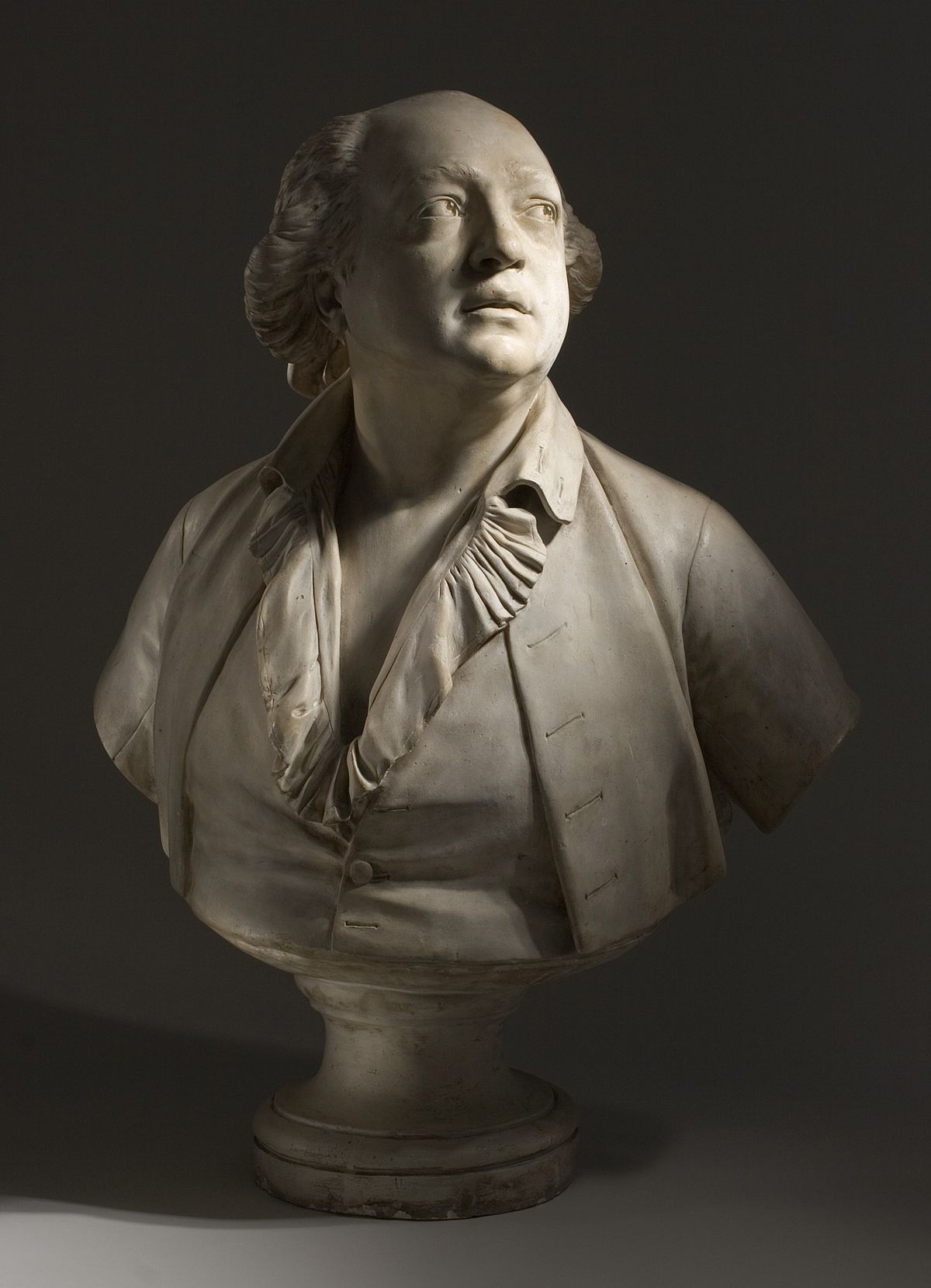
Alessandro Conte di Cagliostro, born Giuseppe Balsamo on June 2, 1743, in Palermo, Sicily, is one of history’s most enigmatic figures. Known as an alchemist, healer, and occultist, Cagliostro’s life was marked by mystery, controversy, and a mix of admiration and skepticism. While some viewed him as a master of esoteric knowledge, others dismissed him as a charlatan and a fraud. This article delves into the life, fame, and key moments that defined Cagliostro’s legacy, exploring the nuances of his activities and the historical context in which he lived.
Early Life and Education
Giuseppe Balsamo was born into a modest family in Palermo. His father, Pietro Balsamo, was a merchant, and his mother, Felicita Bracconieri, managed the household. The family’s financial struggles became more pronounced after Pietro’s death, which led to young Giuseppe being sent to the Seminary of San Rocco in Palermo. There, he received a basic education but quickly showed an inclination toward mischief and rebellion.
In 1756, at the age of 13, Balsamo was sent to the Monastery of Caltagirone, where he was placed under the tutelage of a friar who served as an apothecary. This experience introduced Balsamo to the world of chemistry and pharmacology, fields that would later become integral to his career as Cagliostro. However, his time at the monastery was short-lived due to his unruly behavior, which led to his expulsion.
Marriage and Early Adventures
In 1768, Balsamo married Lorenza Feliciani, a young woman from Rome who would later become a key accomplice in his various schemes. By this time, Balsamo had already begun to dabble in alchemy, mysticism, and the occult, claiming knowledge of ancient secrets and magical powers. Together, Balsamo and Lorenza embarked on a life of travel and deception, moving from city to city across Europe.
During these early years, Balsamo assumed various aliases, including the title of Count Alessandro di Cagliostro, a name that would become synonymous with his legendary persona. His early activities included offering mystical cures, selling elixirs, and performing occult rituals. While his methods often attracted followers and patrons, they also drew the attention of authorities and skeptics, leading to several run-ins with the law.
Rise to Fame: The Path of the Occultist
Cagliostro’s rise to fame began in earnest in the early 1770s when he and Lorenza traveled to London. There, he joined the Freemasons, an organization that would play a crucial role in his life. The Masonic community provided Cagliostro with a platform to disseminate his ideas and gain influence among Europe’s elite. His charismatic personality, combined with his knowledge of alchemy and mysticism, quickly earned him a following.
In London, Cagliostro established himself as a healer and an alchemist, offering treatments and remedies that he claimed could cure various ailments and extend life. His most famous concoction was the “Elixir of Life,” which he marketed as a miraculous cure-all. Cagliostro’s reputation as a healer grew, and he began to attract wealthy and influential clients, including nobility and members of the Masonic order.
Between 1777 and 1780, Cagliostro traveled extensively throughout Europe, visiting cities such as Paris, Berlin, and St. Petersburg. During this period, he developed and promoted a Masonic ritual known as the “Egyptian Rite,” which he claimed was based on ancient wisdom passed down from the priests of ancient Egypt. The Egyptian Rite included elaborate ceremonies and rituals that promised spiritual enlightenment and physical rejuvenation. Cagliostro’s teachings gained popularity among the aristocracy and intellectuals, further enhancing his fame.
The Scandal of the Diamond Necklace
Cagliostro’s involvement in the infamous “Affair of the Diamond Necklace” in 1785 marked a turning point in his life. The scandal, which involved a plot to defraud the French monarchy by implicating Queen Marie Antoinette in the purchase of an expensive diamond necklace, became one of the most notorious incidents leading up to the French Revolution.
Cagliostro was indirectly implicated in the affair due to his association with Cardinal Rohan, one of the central figures in the scandal. Although Cagliostro maintained his innocence and claimed to have advised Rohan to avoid the scheme, he was arrested and imprisoned in the Bastille along with his wife, Lorenza. The trial that followed was a media sensation, with Cagliostro’s mysterious background and alleged powers adding to the intrigue.
Despite the widespread attention, Cagliostro was ultimately acquitted of any wrongdoing. However, the French authorities ordered his exile from the country. The scandal severely damaged his reputation, and while he continued to have followers, his influence began to wane.
Later Years: Decline and Imprisonment
After his exile from France, Cagliostro returned to London, where he attempted to rebuild his reputation. However, his efforts were met with limited success. In 1786, he traveled to Rome, a move that would prove disastrous. In Rome, Cagliostro attempted to establish a Masonic lodge dedicated to his Egyptian Rite, but this drew the attention of the Catholic Church, which viewed Freemasonry with suspicion and hostility.
In 1789, Cagliostro was arrested by the Inquisition and charged with heresy, Freemasonry, and sedition. His trial was overseen by the Roman Catholic Church, which was determined to make an example of him. Cagliostro was convicted and sentenced to death, but his sentence was later commuted to life imprisonment by Pope Pius VI.
Cagliostro was imprisoned in the fortress of San Leo, a remote and forbidding location in the Apennine Mountains. His confinement was harsh, and he was kept in solitary confinement in a small, dark cell. Despite the efforts of his followers to secure his release, Cagliostro spent the remaining years of his life in captivity. On August 26, 1795, he died in prison, reportedly of a stroke. His death, like much of his life, remains shrouded in mystery, with rumors and legends suggesting that he may have escaped or that his death was faked.
Legacy and Cultural Impact
Alessandro Conte di Cagliostro remains one of the most intriguing and controversial figures of the 18th century. His life story has inspired countless books, plays, and films, each attempting to unravel the enigma of his character. Cagliostro’s legacy is a blend of fact and fiction, with his true nature—whether as a master of the occult or a masterful con artist—still a subject of debate.
Cagliostro’s influence extended beyond his lifetime, particularly in the realms of esotericism and popular culture. His name has become synonymous with the image of the “mystical charlatan,” a figure who embodies the tension between enlightenment and deception. In literature, Cagliostro has been portrayed in various ways, from the villainous to the sympathetic, reflecting the complex and multifaceted nature of his legacy.
Conclusion: The Enduring Mystery of Cagliostro
The life of Alessandro Conte di Cagliostro is a testament to the enduring power of myth and legend. Whether viewed as a visionary mystic or a cunning fraud, Cagliostro’s story captures the imagination and continues to fascinate scholars and enthusiasts alike. His ability to navigate the worlds of high society, esoteric knowledge, and popular mysticism made him a figure of immense intrigue during his lifetime, and his legend has only grown in the centuries since his death.
Cagliostro’s legacy serves as a reminder of the thin line between belief and skepticism, and the ways in which charisma and perception can shape history. As new generations continue to explore the mysteries of his life, Cagliostro remains a symbol of the complexities of human nature and the enduring allure of the unknown.


