
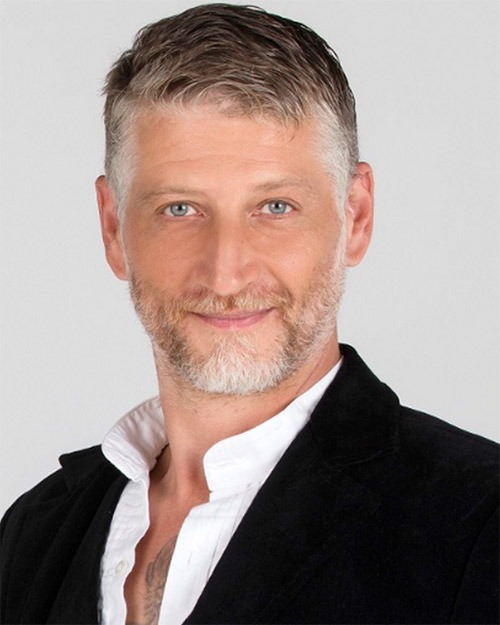
Alessandro Giuli, born on September 27, 1975, in Rome, Italy, has made a significant impact on the Italian media landscape as a journalist, television host, and public intellectual. Known for his strong opinions and distinctive voice, Giuli has become a prominent figure in Italian journalism, particularly noted for his insightful political analysis and his ability to engage with a wide range of audiences. This article explores the life, career, and achievements of Alessandro Giuli, offering a detailed look at his rise to fame and the key highlights of his professional journey.
Early Life and Education: The Making of a Journalist
Alessandro Giuli was born and raised in Rome, where he spent his formative years. His early life was marked by a deep passion for learning and a strong commitment to his studies. Giuli’s academic journey began at a classical high school, where he excelled in the humanities, demonstrating an early aptitude for critical thinking and analysis. This foundation would later serve him well in his career as a journalist.
After completing high school, Giuli pursued higher education in philosophy, a field that further refined his intellectual abilities and provided him with a solid grounding in the principles of logic, ethics, and political thought. His academic success in philosophy was indicative of his deep interest in understanding the complexities of human society, an interest that would eventually lead him into the world of journalism.
The Beginnings of a Journalism Career: Climbing the Ranks
Alessandro Giuli’s career in journalism began with a series of internships and early roles in various prestigious Italian newspapers. His initial experiences in the field were characterized by a relentless work ethic and a keen desire to learn the intricacies of the profession. Giuli worked with several well-known Italian publications, where he quickly established a reputation as a talented and dedicated journalist.
It was during these early years that Giuli developed a deep understanding of the media landscape, learning the ropes of reporting, editorial work, and the dynamics of the newsroom. His time at these publications provided him with invaluable experience and laid the groundwork for his future success.
Giuli’s big break came when he joined Il Foglio, a Milan-based newspaper known for its intellectual rigor and sharp political commentary. Under the mentorship of Giuliano Ferrara, the newspaper’s director, Giuli honed his skills as a writer and editor. His talent did not go unnoticed, and in 2008, he was promoted to deputy editor of Il Foglio. This role marked a significant turning point in his career, positioning him as a key player in Italian journalism.
Rise to Prominence: The Evolution of a Public Intellectual
As deputy editor of Il Foglio, Alessandro Giuli became increasingly influential in shaping the newspaper’s editorial direction. His incisive commentary and fearless approach to political analysis earned him a loyal readership and established him as a leading voice in conservative media circles. In 2017, Giuli’s role at Il Foglio evolved further when he was appointed co-director, a position that allowed him to have an even greater impact on the publication’s content and strategy.
Giuli’s influence extended beyond the pages of Il Foglio. He became a sought-after commentator on Italian politics, regularly appearing on television programs and contributing to a variety of other media outlets. His commentary was notable for its depth of insight and willingness to challenge conventional wisdom, making him a respected figure across the political spectrum.
In addition to his work in journalism, Giuli also made a name for himself as an author. His books, such as Il passo delle oche: L’identità irrisolta dei postfascisti (2007) and E venne la Magna madre: i riti, il culto e l’azione di Cibele Romana (2012), explored themes of identity, politics, and culture, further establishing his reputation as a thoughtful and provocative thinker.
Television Career: Bringing Ideas to a Wider Audience
Alessandro Giuli’s success in print journalism naturally led to opportunities in television, where he quickly became a familiar face. His television career began with appearances as a commentator and panelist on various political talk shows, where his articulate and well-reasoned arguments resonated with viewers.
Giuli’s television career took a significant step forward when he co-hosted Povera Patria on Rai 2 in 2019, a political talk show that delved into the complexities of Italian and international politics. His ability to engage with both the public and his co-hosts, combined with his deep knowledge of the issues, made him a popular figure on the program. The show’s success led to its rebranding as Patriae, further cementing Giuli’s status as a prominent television personality.
In 2020, Giuli was tapped to co-host Seconda Linea, another political talk show on Rai 2, alongside Francesca Fagnani. Although the show was short-lived due to creative differences, Giuli’s presence on the program highlighted his versatility as a media personality and his ability to navigate the often turbulent waters of television production.
Giuli’s television work extended beyond traditional political talk shows. In August 2021, he hosted Vitalia – Alle origini della festa on Rai 2, a program that explored the cultural and historical roots of various Italian festivals. This show allowed Giuli to showcase his broader intellectual interests and connect with a wider audience.
The 2020s: A Decade of Continued Influence
As Alessandro Giuli entered the 2020s, his career continued to flourish. He remained a prominent figure in Italian journalism, contributing to a variety of publications, including Il Tempo, Libero, and Linkiesta, as well as Corriere dell’Umbria. His ability to engage with different audiences, regardless of their political leanings, demonstrated his broad appeal and his commitment to thoughtful, well-reasoned analysis.
Giuli’s role as a public intellectual was further solidified through his continued presence on television. In addition to his hosting duties, he regularly appeared as a guest and commentator on programs such as Otto e mezzo, hosted by Lilli Gruber on La 7, and Anni 20 Notte on Rai 2, hosted by Francesca Parisella. These appearances allowed him to reach a broad audience and influence public discourse on key political and social issues.
In 2018, Giuli published Sovranismo per esordienti: Individui e potere tra identità e integrazione, a book that examined the rise of populism and the challenges it posed to traditional political structures. The book was well-received, further cementing Giuli’s reputation as a leading thinker on contemporary political issues.
Personal Life: Behind the Public Persona
Despite his high-profile career, Alessandro Giuli has maintained a relatively private personal life. He is married to Valeria Falcioni, a journalist at Sky Tg24, with whom he shares a passion for media and communication. The couple has two children: a daughter born in 2016 and a son born in 2019. The family resides in Rome, where they live with their two cats and a dog.
Giuli’s interests extend beyond journalism and politics. He is an avid wine enthusiast, with a particular appreciation for fine wines. In his leisure time, he enjoys collecting premium cigars, a hobby that reflects his refined tastes and appreciation for the finer things in life.
In October 2020, Giuli and his family were among those who tested positive for COVID-19, a diagnosis they discovered through Italy’s Immuni app. The experience was a reminder of the pandemic’s far-reaching impact, even on those in the public eye.
Conclusion: Alessandro Giuli – A Voice of Influence in Italian Media
Alessandro Giuli’s journey from a young philosophy student in Rome to one of Italy’s most influential journalists and television personalities is a testament to his intelligence, dedication, and passion for communication. Throughout his career, he has demonstrated a unique ability to engage with a wide range of audiences, offering insightful analysis and thought-provoking commentary on the most pressing issues of the day.
Giuli’s work across various media platforms—whether in print, on television, or through his books—has made him a key figure in Italian public discourse. His influence extends beyond the conservative circles in which he began his career, reaching a broader audience that appreciates his commitment to intellectual rigor and his willingness to challenge the status quo.
As Alessandro Giuli continues to navigate the ever-changing landscape of Italian media, his voice remains one of the most important in the country, shaping the conversation on politics, culture, and society for years to come.


