
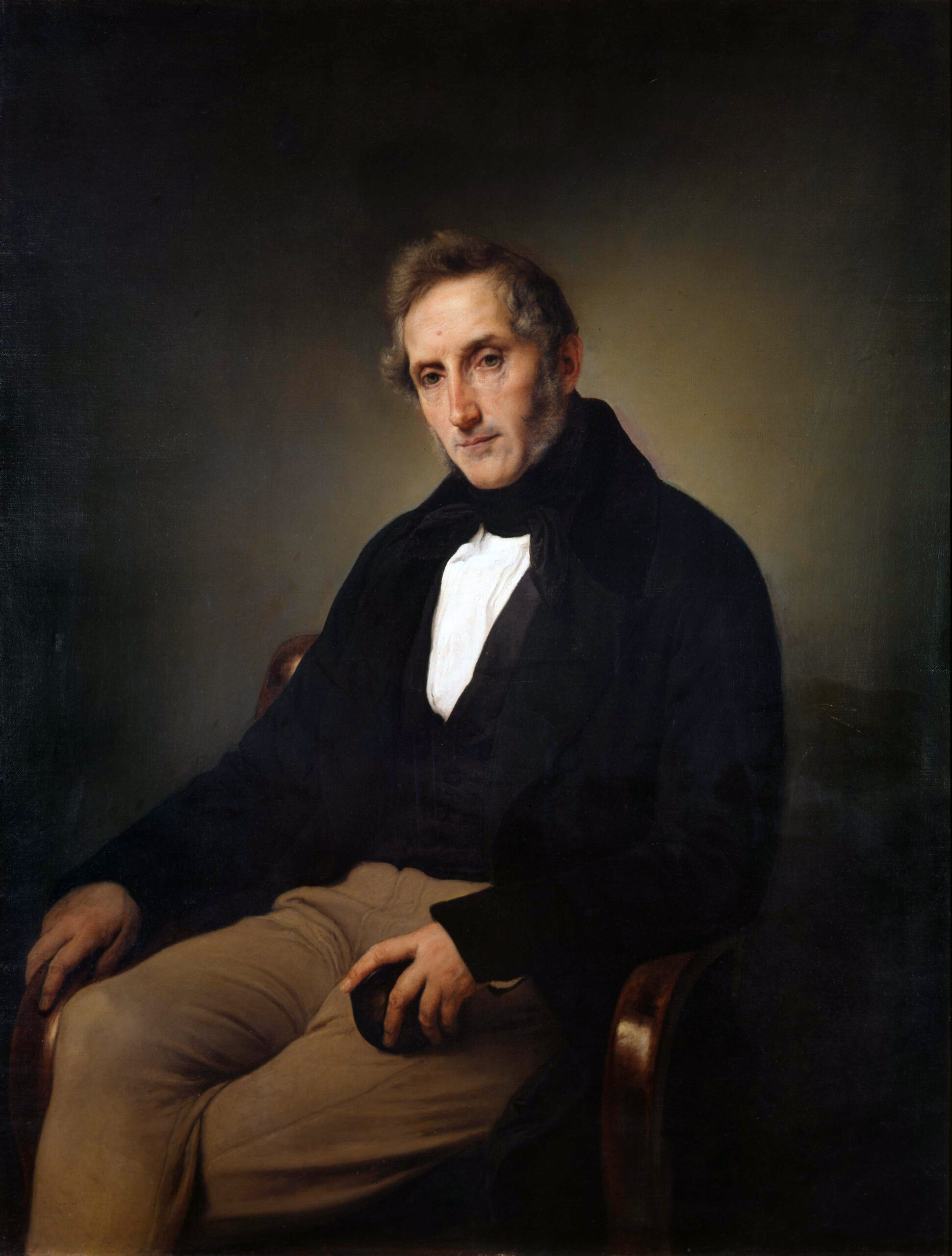
Alessandro Manzoni is one of Italy’s most celebrated writers, often referred to as the father of modern Italian literature. His works, especially the iconic novel I Promessi Sposi (The Betrothed), have shaped the Italian literary canon and contributed significantly to the development of the Italian language. Born on March 7, 1785, in Milan, Manzoni’s life was deeply intertwined with the cultural and political changes of his time, and his legacy continues to influence literature and language in Italy today. This article explores the life, fame, and key highlights of Alessandro Manzoni’s life, providing a detailed look into his contributions to literature and the broader historical context of his work.
Early Life and Education
Alessandro Manzoni was born in Milan into a family that was deeply connected to the intellectual and cultural movements of the time. His mother, Giulia Beccaria, was the daughter of Cesare Beccaria, a prominent Enlightenment thinker known for his seminal work On Crimes and Punishments. Manzoni’s father, however, was not his biological parent; Alessandro was the product of an extramarital affair between Giulia and Giovanni Verri, a member of another influential Milanese family.
From an early age, Manzoni was exposed to the intellectual currents that were shaping Europe, particularly the ideas of the Enlightenment. He received his education at religious institutions, first at the Collegio dei Somaschi in Merate and later at the Collegio dei Barnabiti in Milan. These formative years, however, were marked by a growing disillusionment with the rigid and dogmatic nature of religious education, leading to a period of skepticism and rebellion in his youth.
Paris and Intellectual Awakening
In 1805, at the age of 20, Alessandro Manzoni moved to Paris, where his mother was living with her companion, Carlo Imbonati. Paris, at that time, was the epicenter of intellectual and cultural life in Europe, and it was here that Manzoni was introduced to the circle of ideologues—thinkers who were engaged in critically re-evaluating Enlightenment ideas with a strong emphasis on ethics and morality.
During his time in Paris, Manzoni formed lasting friendships with several influential thinkers and writers. This period of intellectual awakening was crucial in shaping his philosophical and literary outlook. In 1806, following the death of Imbonati, Manzoni wrote the poem In morte di Carlo Imbonati as a tribute to his mother’s partner, marking his first significant foray into literature.
Marriage and Religious Conversion
In 1808, Alessandro Manzoni returned to Milan, where he met and fell in love with Enrichetta Blondel, a Calvinist of Swiss descent. The couple married in 1808 in a Calvinist ceremony and went on to have ten children, though only two survived into adulthood. The following years were marked by a profound personal transformation for Manzoni, driven by both personal tragedy and spiritual search.
In 1810, both Manzoni and his wife underwent a dramatic religious conversion to Catholicism. This conversion deeply influenced his worldview and literary works, leading him to infuse his writing with a sense of moral purpose and religious conviction. This period also saw the beginning of his most famous literary endeavor: the writing of I Promessi Sposi.
The Birth of I Promessi Sposi
Manzoni began writing I Promessi Sposi in the early 1820s, initially titling the work Fermo e Lucia. The novel, which tells the story of two young lovers, Renzo and Lucia, set against the backdrop of 17th-century Lombardy, is much more than a simple love story. It is a complex narrative that explores themes of social injustice, the power of faith, and the moral struggles of individuals in a society fraught with corruption and suffering.
One of the most significant aspects of I Promessi Sposi is its linguistic impact. Manzoni was acutely aware of the fragmented state of the Italian language at the time, with various dialects spoken across the Italian peninsula. Determined to create a work that would be accessible to a broad audience and contribute to the unification of the Italian language, Manzoni famously “washed his clothes in the Arno”—a metaphor for his decision to revise the novel’s language to reflect the Tuscan dialect, which he considered the purest form of Italian.
The final version of I Promessi Sposi was published in 1827, and it was an immediate success. The novel not only solidified Manzoni’s reputation as one of Italy’s greatest writers but also played a crucial role in the development of a unified Italian language, influencing generations of writers and educators.
Literary and Intellectual Contributions
Beyond I Promessi Sposi, Alessandro Manzoni’s literary output includes a range of works that reflect his deep moral and religious concerns. His Inni Sacri (Sacred Hymns), written between 1812 and 1815, are a series of poems that explore themes of Christian faith and spirituality. These hymns are considered masterpieces of religious poetry and are still studied for their theological and literary significance.
Manzoni also made significant contributions to the development of Italian drama. His tragedies Il Conte di Carmagnola (1820) and Adelchi (1822) are important works that reflect his interest in the historical and moral dimensions of human actions. Both plays are set in Italy during periods of political turmoil and reflect Manzoni’s preoccupation with issues of justice, power, and human suffering.
In addition to his literary works, Manzoni was also a prolific essayist. His Osservazioni sulla morale cattolica (Observations on Catholic Morality), published in 1819, is a critical examination of the moral and ethical dimensions of Catholicism. This work, along with his other essays and letters, reveals Manzoni’s deep engagement with the intellectual debates of his time and his commitment to exploring the relationship between faith and reason.
Later Life and Recognition
The success of I Promessi Sposi brought Manzoni widespread fame and recognition. He became a central figure in Italian cultural life and was celebrated for his contributions to literature and the development of the Italian language. Despite this, Manzoni’s personal life was marked by tragedy. He experienced the loss of many of his children, and in 1833, his beloved wife Enrichetta passed away, plunging him into a deep state of grief.
In 1837, Manzoni remarried, this time to Teresa Borri, the widow of a close friend. However, happiness continued to elude him as more personal losses followed. His second wife passed away in 1861, and his son Filippo was arrested during the political upheavals of 1848. Despite these hardships, Manzoni remained active in public life.
In 1860, Manzoni was appointed a Senator of the Kingdom of Italy, a position that reflected his stature as one of the nation’s most respected intellectuals. His contributions to the unification of Italy, both through his literary works and his efforts to promote a unified Italian language, were widely recognized. In 1868, he published his report Dell’unità della lingua e dei mezzi per diffonderla (On the Unity of the Language and the Means of Spreading It), further cementing his role in shaping the linguistic and cultural identity of Italy.
Death and Legacy
Alessandro Manzoni died on May 22, 1873, in Milan, at the age of 88. His death marked the end of an era in Italian literature, but his legacy has endured. Manzoni is remembered not only for his literary achievements but also for his role in shaping the modern Italian language and his contributions to the cultural and intellectual life of Italy.
In recognition of his impact, the composer Giuseppe Verdi dedicated his Messa da Requiem to Manzoni, a work that is considered one of the greatest achievements in the history of sacred music. Manzoni’s influence on Italian literature and culture remains profound, and his works continue to be studied and celebrated for their depth, moral insight, and linguistic innovation.
Conclusion: The Enduring Legacy of Alessandro Manzoni
Alessandro Manzoni’s life and work are integral to the story of modern Italy. His contributions to literature, language, and national identity have left an indelible mark on the cultural landscape of the country. I Promessi Sposi remains one of the most important works of Italian literature, not only for its narrative power but also for its role in the unification of the Italian language.
Manzoni’s commitment to exploring the moral and ethical dimensions of human existence, his engagement with the intellectual currents of his time, and his dedication to the development of a national language make him a towering figure in the history of Italian culture. His legacy continues to inspire readers, writers, and scholars, and his works remain a cornerstone of Italian literary heritage.
As we reflect on Manzoni’s life and achievements, it is clear that his influence extends far beyond the pages of his novels and poems. He was a pioneer in the quest for a unified Italian identity, a thinker who grappled with the complex relationship between faith and reason, and a writer whose works continue to resonate with readers around the world. Manzoni’s life and work are a testament to the enduring power of literature to shape the language, culture, and identity of a nation.


