
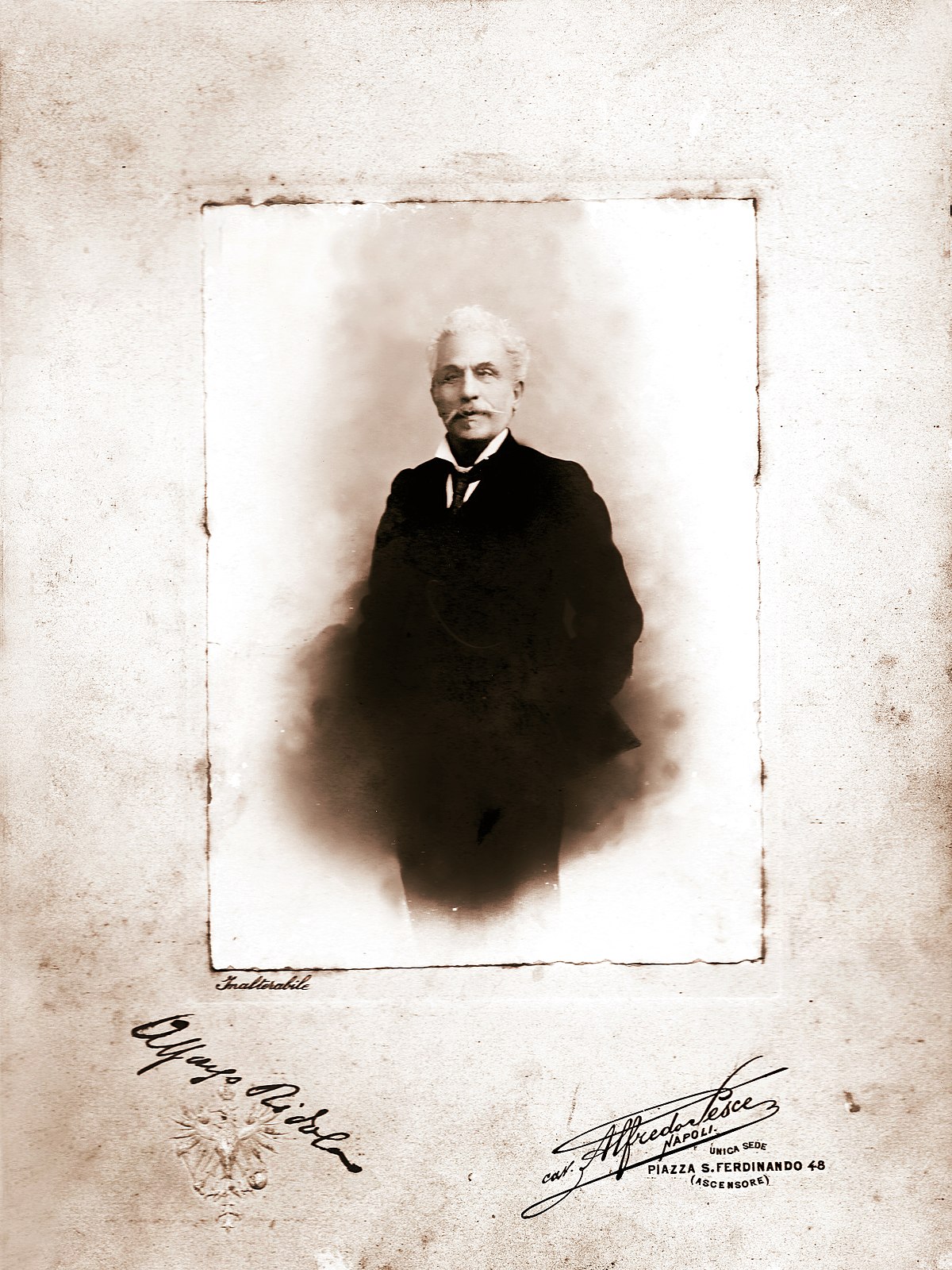
Alfonso Ridola, born in 1843 in the historic and vibrant district of San Lorenzo in Naples, Italy, was a prominent figure in the legal and cultural landscape of his time. His life was marked by a deep commitment to justice, a passion for the law, and a significant influence on both the legal profession and broader societal issues in Italy. Ridola’s legacy extends beyond his professional achievements, encompassing his contributions to literature, social reform, and the defense of the poor. His life story is a testament to the power of intellect, dedication, and a sense of duty to one’s community.
Early Life and Education
Alfonso Ridola was born into a family with a strong legal tradition. His father, Emmanuele Ridola, and his grandfather were both distinguished lawyers, which undoubtedly influenced Alfonso’s early interest in the law. His mother, Francesca Guida, came from a notable family, with her father being a renowned surgeon and her mother a noblewoman. Growing up in such an intellectually stimulating environment, Ridola was exposed to discussions of law, justice, and ethics from a young age.
Ridola’s early education was rigorous, preparing him for a career in the legal profession. He pursued his studies at the prestigious University of Naples Federico II, one of the oldest universities in the world, where he earned his law degree in 1865 at the young age of 22. His academic achievements were a clear indication of his intellectual prowess and his readiness to embark on a career that would leave a lasting impact on the Italian legal system.
Legal Career and Contributions
Upon completing his education, Alfonso Ridola quickly made a name for himself in the legal community. He became an ordinary judge and later served as the first lawyer of the city of Naples. His legal practice was marked by a strong adherence to the principles of justice and an unwavering commitment to the rule of law. Ridola was known for his objective and fair approach to legal matters, balancing traditional values with innovative thinking.
Ridola’s legal work was not confined to the courtroom. He was an active participant in the broader legal discourse of his time, contributing to various legal publications and engaging in intellectual exchanges with some of the leading figures of the day. He was known for his correspondence with prominent personalities such as Alessandro Manzoni, one of Italy’s greatest writers, and Carlo Poerio, a significant political figure. These interactions enriched his understanding of the law and its role in society, influencing his approach to legal practice and his broader contributions to social reform.
Literary and Cultural Contributions
In addition to his legal work, Alfonso Ridola was deeply involved in the cultural life of his time. In 1861, the same year that marked the unification of Italy, Ridola founded the literary magazine Il Manzoni. This publication was a platform for discussing a wide range of topics, from literature and law to social issues. Il Manzoni quickly gained a reputation for its elegant Italian prose and its thoughtful engagement with contemporary issues.
The magazine’s editorial team included several prominent figures, such as Professor Alberto Agresti, literary scholar Eugenio Francesconi, and lawyer Giuseppe Tarantini. Under Ridola’s leadership, Il Manzoni became a space for intellectual exploration, featuring biographies of notable Italians, scientific articles, and critical essays on education, geography, and other disciplines. The magazine reflected Ridola’s belief in the power of education and culture to shape society and his commitment to fostering a more enlightened and just world.
Social Reform and Philanthropy
Alfonso Ridola’s contributions extended beyond the realms of law and literature. He was a fervent advocate for social reform, particularly in his efforts to combat the ignorance and poverty that plagued southern Italy. Ridola was deeply critical of the fatalism, passive acceptance, and intellectual stagnation that he believed were hindering the development of the region. He sought to address these issues through his work as a lawyer, writer, and social reformer.
One of Ridola’s most significant contributions to social reform was his work in providing legal defense for the poor. Alongside his friend Gaetano Manfredi, Ridola established an association dedicated to offering free legal defense to the poor, a groundbreaking initiative that reflected his commitment to justice and equality. This organization was instrumental in ensuring that even the most disadvantaged members of society had access to legal representation, a fundamental right that Ridola passionately believed in.
Personal Life and Legacy
Alfonso Ridola’s personal life was as full and dynamic as his professional career. In 1877, he married Maria Consiglia Murolo, a noblewoman with whom he had eight children. His family life was marked by a deep commitment to the values of education, culture, and service to others. His son Mario became a notable painter and founder of the Academy of Fine Arts in Tirana, Albania, while his daughter Francesca pursued a career in music, eventually marrying the engineer Gioacchino Luigi Mellucci.
Ridola’s commitment to public service was evident during the cholera epidemic that struck Naples in 1884. In response to the crisis, Ridola established a foundation in the former convent of Sant’Antonio a Tarsia to care for those afflicted by the disease. This act of philanthropy demonstrated his dedication to the welfare of his fellow citizens and his willingness to take direct action in times of need.
Throughout his life, Ridola remained an active participant in the intellectual and legal discourse of his time. He published numerous legal texts, particularly in the field of criminal law, where he introduced innovative ideas that contributed to the development of the Italian legal system. His writings were featured in various prestigious legal journals, including Il Filangieri, Rivista Penale, and Giustizia Penale. His contributions were not limited to Italian publications; he also published works in French, reflecting his engagement with the broader European legal community.
In recognition of his significant contributions to the legal profession and his service to the Italian state, Ridola was honored with the title of Knight of the Order of the Crown of Italy in 1900, a prestigious award that underscored his impact on Italian society. This honor was proposed by the Minister of Grace and Justice, Emanuele Gianturco, further highlighting Ridola’s standing in the legal and political community.
Alfonso Ridola passed away in 1917, in his family’s home in Naples. His death came just a year before the end of World War I, a conflict that would reshape Europe and bring about significant changes to the Italian state. Ridola’s passing marked the end of an era, but his legacy lived on through his contributions to law, culture, and social reform.
The Legacy of Alfonso Ridola
Alfonso Ridola’s legacy is one of profound influence on the legal, cultural, and social landscape of Italy. His work as a lawyer and judge helped shape the development of the Italian legal system, particularly in the areas of criminal law and public administration. His commitment to justice and equality, as evidenced by his efforts to provide legal defense for the poor, set a standard for future generations of lawyers and social reformers.
Ridola’s contributions to literature and culture, particularly through his work with Il Manzoni, helped foster a more educated and enlightened society. His belief in the power of education and intellectual discourse to bring about social change remains a guiding principle for those who continue to engage with the challenges of poverty, ignorance, and inequality.
Today, Alfonso Ridola is remembered not only as a brilliant lawyer and intellectual but also as a man of deep compassion and commitment to the betterment of society. His life and work continue to inspire those who seek to use their talents and resources to make a positive impact on the world.
Ridola’s legacy is a testament to the enduring power of intellect, dedication, and a sense of duty to one’s community. His contributions to law, culture, and social reform have left an indelible mark on Italian history, and his example serves as a reminder of the importance of justice, equality, and the pursuit of knowledge.


