
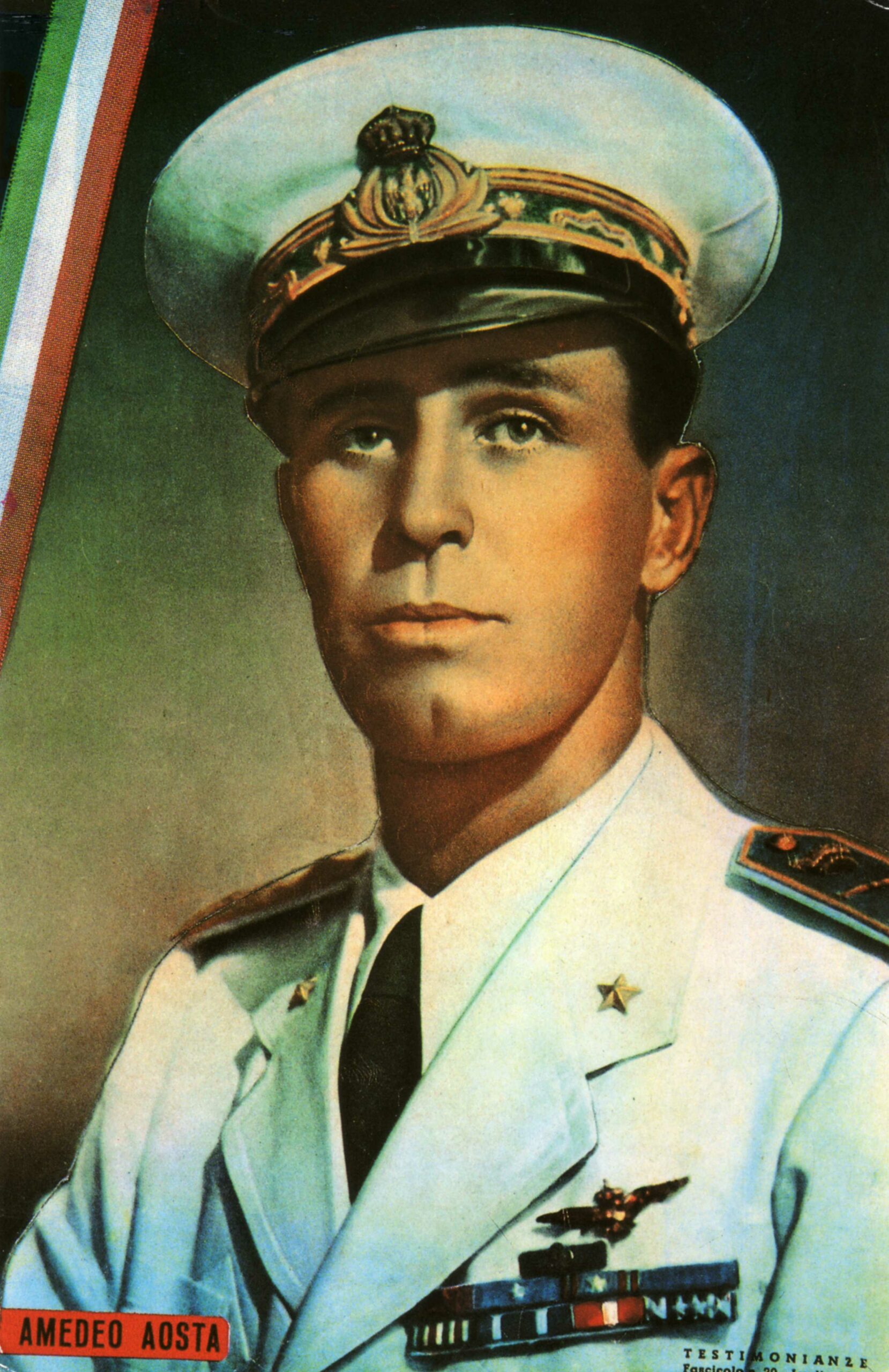
Amedeo di Savoia-Aosta, born on September 27, 1943, in Florence, Italy, was a member of the historic House of Savoy, one of the oldest royal families in Europe. His life, intertwined with the turbulence of the 20th century, reflects the complexities of royalty, war, and survival. As a grandson of the last King of Italy, Umberto II, Amedeo’s life was marked by a unique blend of privilege, duty, and hardship. This article explores the life, legacy, and historical significance of Amedeo di Savoia-Aosta, offering a detailed examination of his age, fame, and life highlights.
Early Life and Royal Heritage
Amedeo Umberto Costantino Giorgio Paolo Elena Maria Fiorenzo Zvonimiro di Savoia-Aosta was born into a lineage deeply rooted in European nobility. His father, Aimone di Savoia-Aosta, held the titles of Duke of Spoleto and later Duke of Aosta, and was also designated King of Croatia during World War II. Amedeo’s mother, Princess Irene of Greece and Denmark, was the sister of King Paul of Greece, linking Amedeo to many of the reigning and former royal families of Europe, including the British and Spanish monarchies.
Amedeo’s birth came at a tumultuous time in Italian history. Just weeks before his arrival, Italy signed the Armistice of Cassibile, ending hostilities against the Allied forces during World War II. This period of instability had profound effects on Amedeo’s early life, as he and his mother were captured by German forces and deported to a concentration camp in Austria. It was in this environment of war and imprisonment that Amedeo spent the first years of his life, a stark contrast to the royal privilege that would have otherwise defined his upbringing.
Survival and Post-War Life
Amedeo’s early years were marked by survival. After the liberation of the concentration camp at Hirschegg in May 1945, he and his mother spent several weeks in Switzerland, recovering from the ordeal. These experiences of war and displacement shaped Amedeo’s character, instilling in him a sense of resilience and duty that would define his later life.
Following the end of the war, Amedeo returned to Italy, where he began to rebuild his life in a country that had dramatically changed. The monarchy had been abolished in 1946, and Italy had become a republic, rendering the titles and privileges of the House of Savoy largely symbolic. Nevertheless, Amedeo maintained a connection to his heritage and continued to play a role in preserving the legacy of his family.
Military Service and Personal Life
Amedeo followed in the footsteps of many of his ancestors by serving in the military. He joined the Italian Navy, where he served as a complement officer, a role that allowed him to fulfill his duties while also maintaining a connection to his family’s tradition of military service. His time in the Navy further developed his sense of discipline and commitment to service, qualities that would serve him well in his later roles.
In his personal life, Amedeo experienced both joy and challenges. He first married Princess Claude of France, a union that was annulled by the Catholic Church, allowing him to remarry. His second marriage was to Silvia Paternò dei Marchesi di Regiovanni, with whom he had three children: Bianca, Aimone (who holds the title of Duke of Apulia), and Mafalda. The family lived primarily in Tuscany and Sicily, where Amedeo managed his agricultural business, particularly focusing on the production of wine under the label “Vini Savoia-Aosta.”
Public Roles and Philanthropy
Despite the abolition of the monarchy, Amedeo continued to play an active role in Italian society, particularly in the fields of environmental conservation and cultural preservation. In 1996, he was appointed as the representative of the city of Palermo for the International Foundation “Pro Herbario Mediterraneo,” and in 1997, he became its president. His work with this foundation demonstrated his commitment to environmental causes and the preservation of Italy’s natural heritage.
In 2003, Amedeo was appointed by the Italian government as the president of the permanent management committee of the State Natural Reserve Island of Vivara. This role further highlighted his dedication to conservation efforts, particularly in safeguarding Italy’s natural landscapes.
Amedeo’s contributions to Italian society extended beyond environmental conservation. He was a dedicated custodian of his family’s history, inheriting a vast collection of diaries and personal records from his uncle, also named Amedeo, who had served as Viceroy of Ethiopia and was a decorated war hero. These documents provided valuable insights into the history of the House of Savoy and the broader context of Italian and European history during the 20th century.
The Succession Controversy and Royal Legitimacy
Amedeo di Savoia-Aosta’s life was not without controversy, particularly regarding the question of royal succession. The House of Savoy was divided into two main branches: the main branch, led by Vittorio Emanuele di Savoia, and the Aosta branch, led by Amedeo. Following the abolition of the monarchy, disputes arose over who should be recognized as the head of the House of Savoy.
In 2006, the Consulta dei Senatori del Regno, a group representing former members of Italy’s pre-republican Senate, issued a statement declaring Vittorio Emanuele and his descendants ineligible for dynastic rights. Instead, they recognized Amedeo as the Duke of Savoy and the legitimate head of the family. This decision was based on arguments that Vittorio Emanuele had violated the family’s traditions and principles, particularly regarding his marriage and other personal conduct.
The succession dispute between the two branches of the House of Savoy remains unresolved, with both sides claiming legitimacy. Amedeo’s supporters argue that his lineage and adherence to traditional values make him the rightful heir, while supporters of Vittorio Emanuele point to his direct descent from the last reigning king. Despite this controversy, Amedeo was widely respected for his dedication to his family’s legacy and his efforts to uphold the traditions of the House of Savoy.
Later Life and Death
In his later years, Amedeo continued to focus on his various roles and responsibilities, dividing his time between Tuscany and Sicily. He remained active in public life, attending events and participating in initiatives related to cultural preservation and environmental conservation.
Tragically, Amedeo’s life came to an end on June 1, 2021, when he passed away at the age of 77 in Arezzo, Italy. He had been hospitalized for a few days due to kidney surgery when he suffered a cardiac arrest. His death marked the end of an era for the Aosta branch of the House of Savoy, but his legacy lives on through his children and the numerous contributions he made to Italian society.
Legacy and Historical Significance
Amedeo di Savoia-Aosta’s life was a testament to the enduring influence of the House of Savoy, even in a republic that no longer officially recognizes nobility. His dedication to public service, environmental conservation, and the preservation of his family’s history set him apart as a figure of significant historical importance.
Amedeo’s efforts to maintain the traditions and values of the House of Savoy, despite the challenges of a modern world, reflect a deep commitment to his heritage. His life was marked by a blend of privilege and responsibility, as he navigated the complexities of being a royal in a post-monarchic Italy. Through his work in various public roles and his dedication to his family’s legacy, Amedeo ensured that the House of Savoy’s contributions to Italian history would not be forgotten.
As historians and the public reflect on Amedeo di Savoia-Aosta’s life, it is clear that he was a man who understood the weight of his heritage and sought to honor it through his actions. His life serves as a reminder of the enduring significance of royalty, even in an age where monarchies have largely faded from political power. Amedeo’s legacy is one of service, tradition, and an unwavering commitment to the values that defined the House of Savoy for centuries.
In conclusion, Amedeo di Savoia-Aosta was a figure who embodied the complexities of modern royalty. His life, shaped by the turbulence of war, the challenges of a changing Italy, and the responsibilities of his noble heritage, offers a unique perspective on the role of royalty in contemporary society. As we remember Amedeo, we are reminded of the enduring power of tradition and the importance of preserving the legacies of those who have shaped our history.


