
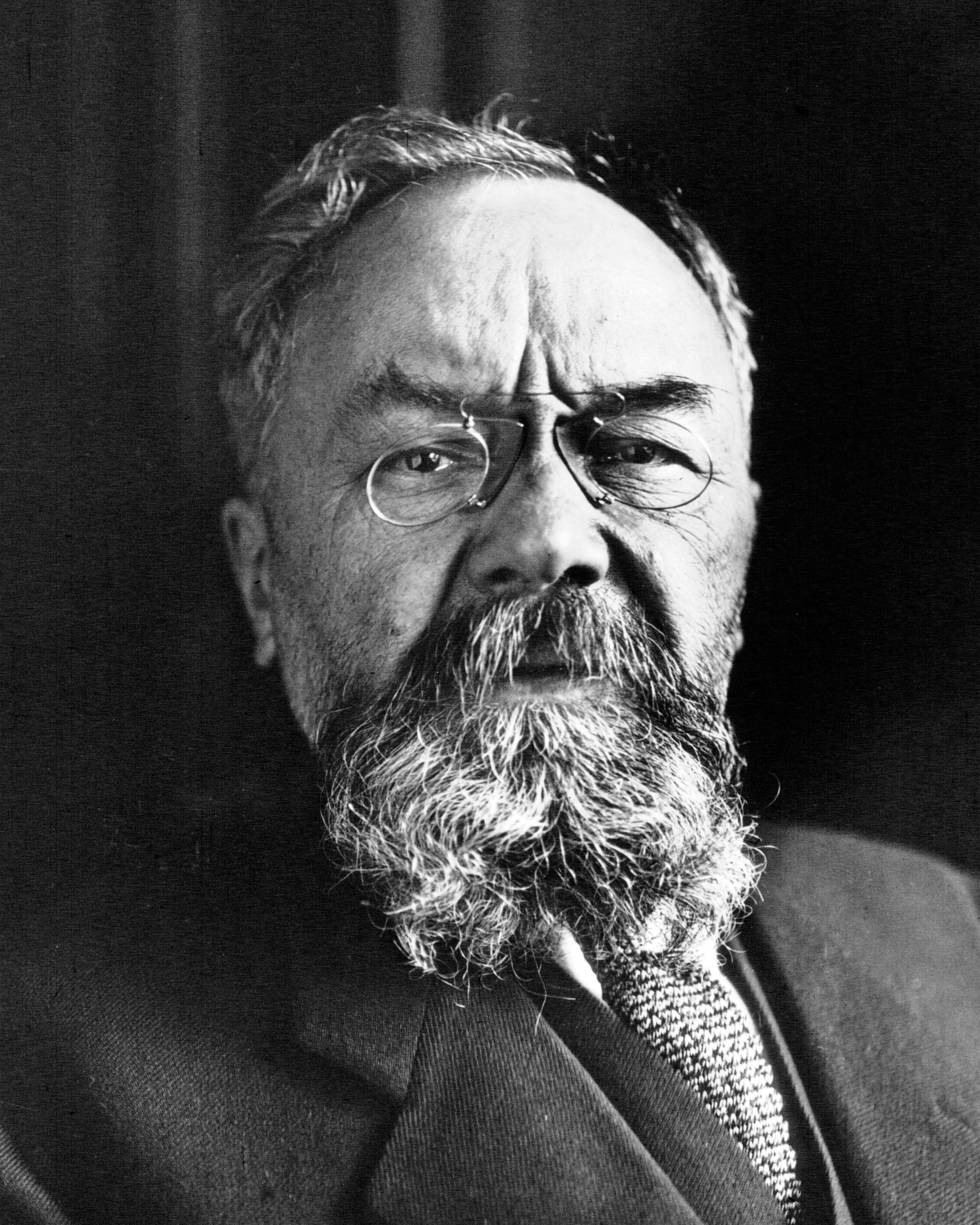
André Michelin, born on January 16, 1853, in Clermont-Ferrand, France, is a name that has become synonymous with innovation, industrial prowess, and the global automotive industry. Alongside his brother, Édouard Michelin, André played a pivotal role in transforming their family business into one of the most renowned tire manufacturers in the world—Michelin & Cie. This article delves into the life of André Michelin, exploring his age, fame, and key life highlights while providing detailed insights into his contributions to the tire industry and the historical context of his achievements.
Early Life and Education
André Michelin was born into a family with a rich heritage and a strong industrial background. His father, Édouard Daubrée, and his mother, Elizabeth Pugh Barker, came from families that were already engaged in innovative practices. Notably, André’s maternal lineage included connections to the scientist Charles Macintosh, who is credited with discovering the solubility of rubber in gasoline—a discovery that would later play a crucial role in the development of the tire industry.
André’s early education was marked by a focus on engineering and architecture. He attended the prestigious École Centrale des Arts et Manufactures in Paris, where he graduated in 1877. His studies equipped him with the technical knowledge and skills that would later prove invaluable in his career. After graduation, André spent five years working at the Ministry of the Interior, where he was involved in the mapping of France. This experience, coupled with his training in architecture, laid the foundation for his future endeavors in industry and innovation.
The Birth of Michelin & Cie
In 1889, the Michelin brothers, André and Édouard, took control of a small rubber manufacturing business in Clermont-Ferrand that had been founded by their grandfather, Aristide Barbier, and his cousin, Nicolas Édouard Daubrée. Originally focused on producing agricultural equipment, the Michelin company soon shifted its focus under the brothers’ leadership, particularly after they recognized the industrial potential of vulcanized rubber.
The company’s transformation began with the production of rubber tires, a product that was gaining traction in the burgeoning automotive industry. At the time, pneumatic tires were still in their infancy, and the market was ripe for innovation. The Michelin brothers quickly understood the potential of this new technology and set about improving the design and functionality of tires, which were then mostly used on bicycles.
Innovation and the Rise of Michelin
One of the most significant innovations introduced by the Michelin brothers was the detachable pneumatic tire, which they patented in 1891. This invention revolutionized the tire industry by making it easier to repair and replace tires, a significant improvement over the glued tires that were common at the time. The detachable tire quickly gained popularity, especially after being used in the 1895 Paris-Bordeaux-Paris race, where it demonstrated its superior performance and durability.
André Michelin’s contributions to the company were not limited to engineering and product development. He was also a visionary in terms of marketing and public relations, understanding the importance of brand identity long before it became a standard business practice. One of his most enduring contributions to the Michelin brand was the creation of the iconic Bibendum, also known as the Michelin Man.
The Birth of Bibendum: A Marketing Masterstroke
In 1898, André Michelin conceived the idea of creating a mascot for the company that would personify the brand’s values and mission. Collaborating with the artist Marius Rossillon, known as O’Galop, Michelin developed the character of Bibendum—a rotund figure made entirely of tires. The character was inspired by a stack of tires that Michelin had seen at an exhibition, which he thought resembled a man with outstretched arms.
Bibendum’s name was derived from the Latin phrase “Nunc est Bibendum,” which means “Now is the time to drink.” The phrase was historically associated with Gambrinus, the legendary king of beer, and in the context of the Michelin brand, it symbolized the tire’s ability to “drink up” obstacles and road hazards. The creation of Bibendum was a stroke of marketing genius, as the character quickly became one of the most recognizable brand mascots in the world. Over a century later, Bibendum remains a powerful symbol of the Michelin brand, embodying the company’s commitment to quality, innovation, and reliability.
Expansion and Global Impact
Under the leadership of the Michelin brothers, the company experienced rapid growth and expansion. By the early 20th century, Michelin had established itself as a leading manufacturer of tires not only in France but across Europe and beyond. The company’s success was driven by its continuous focus on innovation, quality, and customer satisfaction.
One of the key strategies that propelled Michelin to global prominence was its commitment to research and development. The company invested heavily in improving tire technology, leading to innovations such as the radial tire, which was introduced in 1946. This new design offered significant advantages in terms of durability, fuel efficiency, and safety, and it quickly became the industry standard. The radial tire’s success further solidified Michelin’s position as a global leader in the tire industry.
Michelin Guides: A Legacy Beyond Tires
In addition to its contributions to the automotive industry, the Michelin brand became synonymous with excellence in the culinary world through the creation of the Michelin Guides. The first Michelin Guide was published in 1900 as a free resource for motorists, providing information on hotels, restaurants, and other amenities across France. The guide was intended to promote automobile travel, thereby increasing the demand for tires.
What began as a modest publication soon evolved into one of the most prestigious guides in the world. The Michelin star system, introduced in 1926, became the gold standard for evaluating and recognizing the quality of restaurants. Today, Michelin stars are highly coveted by chefs and restaurateurs, and the Michelin Guide remains a definitive authority in the global culinary scene.
André Michelin’s vision extended far beyond tires; he understood the importance of creating a brand that could touch various aspects of consumers’ lives. The Michelin Guides are a testament to his foresight and his ability to innovate in ways that transcended the core business of tire manufacturing.
The Legacy of André Michelin
André Michelin’s contributions to the tire industry and the broader business world are immeasurable. His innovative spirit, coupled with his keen understanding of marketing and branding, helped to transform Michelin & Cie from a small family business into a global powerhouse. The company’s impact on the automotive industry is undeniable, with Michelin tires becoming synonymous with quality and reliability.
Beyond the business realm, André Michelin’s legacy is also reflected in his contributions to society. The Michelin Guides have played a significant role in shaping the culinary world, promoting tourism, and encouraging the pursuit of excellence in hospitality. His work has had a lasting impact on various industries, and his innovations continue to influence the way businesses operate today.
Historical Context and Impact on the Industry
To fully appreciate André Michelin’s contributions, it is important to consider the historical context in which he operated. The late 19th and early 20th centuries were a time of rapid industrialization and technological advancement. The automotive industry, in particular, was in its infancy, and there was tremendous potential for innovation.
André Michelin was at the forefront of this transformation, recognizing early on the importance of mobility and the role that tires would play in enabling it. His work laid the groundwork for the modern tire industry, and his influence can be seen in the continued focus on innovation and quality that defines Michelin today.
Moreover, André Michelin’s emphasis on branding and customer engagement was ahead of its time. In an era when most companies focused solely on product development, Michelin understood the importance of creating a strong brand identity that resonated with consumers. This approach not only helped to differentiate Michelin from its competitors but also established a loyal customer base that has endured for generations.
Conclusion
André Michelin’s life and career are a testament to the power of innovation, vision, and strategic thinking. From his early days as an engineer and entrepreneur to his role in creating one of the most recognizable brands in the world, Michelin’s impact on the automotive industry and beyond is profound. His legacy is not only reflected in the global success of the Michelin company but also in the enduring influence of the Michelin Guides and the iconic Bibendum mascot.
As the automotive industry continues to evolve, André Michelin’s contributions remain relevant, reminding us of the importance of innovation, quality, and a commitment to excellence. His life story serves as an inspiration to entrepreneurs and business leaders, demonstrating the power of vision and determination in shaping the future of industries and societies alike.


