
Introduction
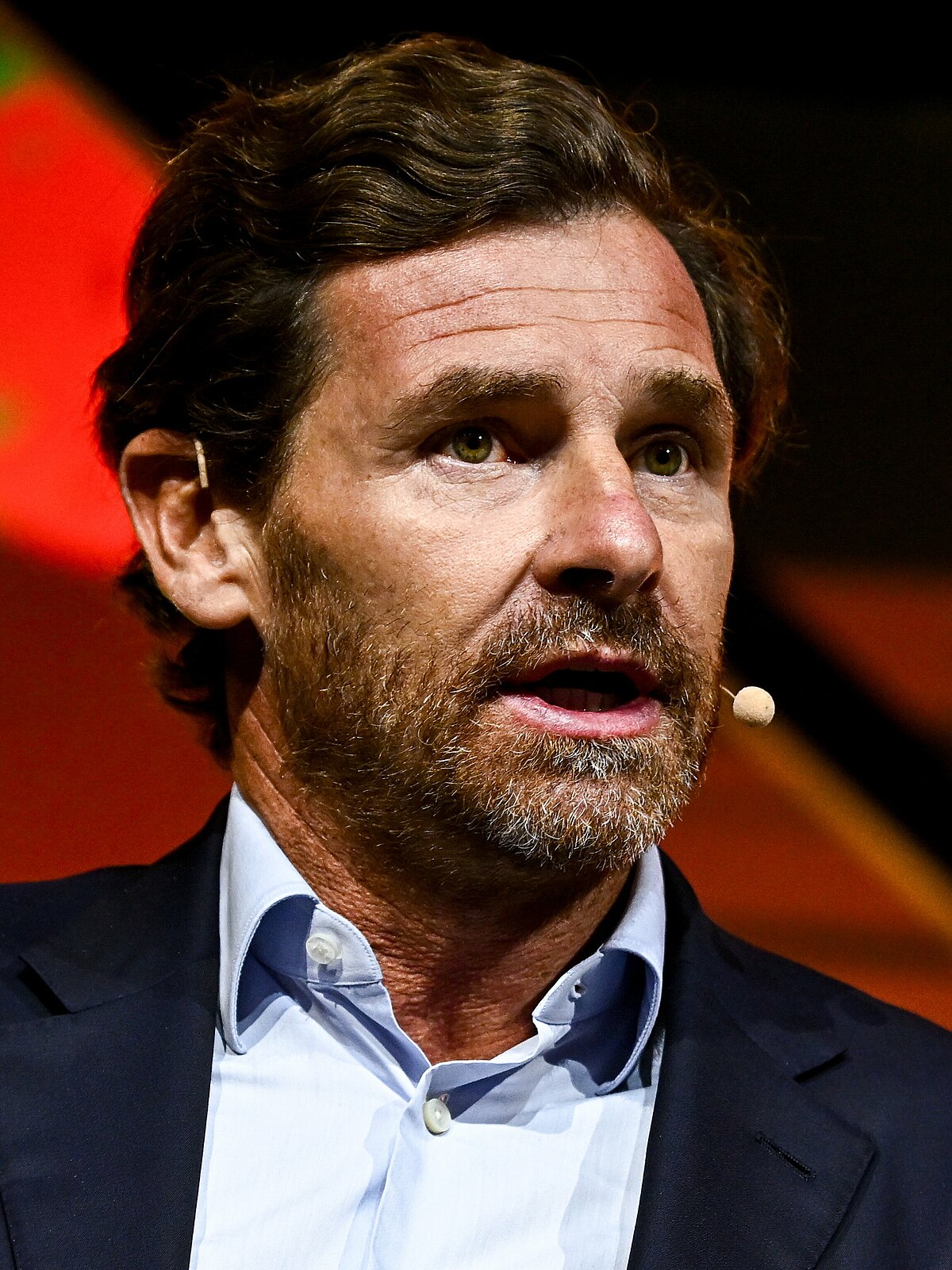
André Villas-Boas is a name that resonates with football enthusiasts and professionals alike. Born on October 17, 1977, in Porto, Portugal, Villas-Boas has established himself as one of the most innovative and successful football managers of his generation. From his early passion for football tactics to becoming a globally recognized manager, Villas-Boas’ journey is a tale of ambition, intellect, and strategic prowess. This article delves into the life, career, and significant achievements of André Villas-Boas, providing detailed insights and exploring the nuances and historical context of his career.
Early Life and Background
André Villas-Boas was born into a noble family in Porto. His father was of Portuguese descent, and his mother was English, which contributed to his fluency in English from a young age. This bilingual ability would later play a significant role in his career. Villas-Boas’ early exposure to football came through his proximity to the game, both geographically and culturally. Growing up in Porto, a city with a rich footballing tradition, Villas-Boas was immersed in the sport from an early age.
His fascination with football wasn’t just limited to playing the game; he was deeply interested in the tactical aspects of football. By the age of 16, he had already made a name for himself by writing a letter to the legendary English coach, Bobby Robson, who was managing FC Porto at the time. In the letter, Villas-Boas critiqued Robson’s tactical decisions and even suggested changes. This bold move caught Robson’s attention, leading to a mentor-mentee relationship that would shape Villas-Boas’ future.
The Beginning of a Coaching Career
Impressed by Villas-Boas’ tactical insights, Bobby Robson offered him a role within the FC Porto coaching staff, even though he was still a teenager. Villas-Boas’ early experience under Robson was invaluable, exposing him to high-level football and allowing him to develop his tactical acumen. During this period, he also worked alongside José Mourinho, another up-and-coming coach who would later become one of the most successful managers in football history.
Villas-Boas’ early career was marked by a relentless pursuit of knowledge. He attended coaching courses, including those offered by the Scottish Football Association, where he honed his skills and gained formal qualifications. His thirst for knowledge and understanding of the game was evident in his meticulous approach to studying teams, players, and tactical systems.
Rise to Fame
Villas-Boas’ first significant coaching role came in 2009 when he was appointed as the head coach of Académica, a team struggling in the lower reaches of the Portuguese league. His impact was immediate; he guided the team to safety and even led them to the semi-finals of the Portuguese Cup. His success at Académica did not go unnoticed, and in 2010, he was appointed as the manager of FC Porto.
At Porto, Villas-Boas’ reputation skyrocketed. He led the team to a remarkable season, winning the Portuguese league, the Portuguese Cup, and the UEFA Europa League. What made this achievement even more impressive was the style of football his team played—dominant, aggressive, and tactically astute. His preference for a 4-3-3 formation, inspired by the philosophies of Pep Guardiola and Barcelona’s style of play, became his signature.
In 2011, after winning the Europa League, Villas-Boas became the youngest coach ever to win a European competition, breaking the record previously held by Gianluca Vialli. His success at Porto made him one of the most sought-after coaches in Europe, with top clubs vying for his services.
The Move to the Premier League
In the summer of 2011, Villas-Boas took on one of the most challenging roles in football management: head coach of Chelsea FC. Backed by owner Roman Abramovich, Chelsea was a club with high expectations, and Villas-Boas was seen as the man to lead them to sustained success.
However, his tenure at Chelsea was short-lived. Despite a promising start, Villas-Boas struggled to impose his tactical philosophy on a squad filled with experienced players used to a different style of play. His insistence on high pressing and a high defensive line clashed with the strengths of some of the team’s key players. After a series of disappointing results, Villas-Boas was dismissed in March 2012, just nine months after taking the job.
Rebuilding and Continued Success
Following his departure from Chelsea, Villas-Boas was appointed as the head coach of Tottenham Hotspur. At Spurs, he was given more time to implement his ideas, and the team’s performance improved under his guidance. In the 2012-2013 season, Tottenham finished fifth in the Premier League, narrowly missing out on a Champions League spot. Villas-Boas’ work at Spurs was generally viewed positively, especially his ability to develop young talents and his focus on playing an attractive brand of football.
After leaving Tottenham in 2013, Villas-Boas continued his managerial career with stints at Zenit Saint Petersburg, Shanghai SIPG, and Marseille. At Zenit, he won the Russian Premier League, further cementing his reputation as a top-level coach.
Tactics and Philosophy
André Villas-Boas is known for his meticulous approach to the game. His tactical philosophy is rooted in the principles of possession-based football, with a focus on high pressing and quick transitions. He prefers a 4-3-3 formation, which allows his teams to dominate the midfield and control the tempo of the game.
Villas-Boas is also a strong advocate for tactical discipline. He demands a high level of commitment from his players, both in terms of physical effort and understanding of the tactical system. His attention to detail is evident in the way his teams are organized defensively and the precision with which they execute attacking movements.
Challenges and Criticism
Despite his success, Villas-Boas has faced criticism throughout his career. Some of this criticism stems from his perceived inflexibility in tactics and his insistence on a specific style of play, regardless of the players at his disposal. This was particularly evident during his time at Chelsea, where his tactical approach was seen as a poor fit for the squad.
Additionally, Villas-Boas has sometimes been criticized for his management of player relationships. His intense, detail-oriented approach has not always resonated with players, leading to tensions within squads. However, this same approach has also been praised for its clarity and effectiveness, especially with younger players who are more adaptable to new ideas.
Personal Life and Interests
Outside of football, Villas-Boas leads a relatively private life. He is married to Joana Maria Noronha de Ornelas Teixeira, and the couple has two daughters, Benedita and Carolina. Despite his intense professional life, Villas-Boas is known to value his family time and has often spoken about the importance of maintaining a balance between work and personal life.
Villas-Boas is also a motorsport enthusiast. In 2018, he participated in the Dakar Rally, one of the most challenging motorsport events in the world. This passion for motorsport reflects his adventurous spirit and his willingness to take on challenges outside of his comfort zone.
Legacy and Impact
André Villas-Boas’ impact on football is undeniable. He is part of a new generation of coaches who have brought innovative ideas and fresh perspectives to the game. His success at a young age, particularly his achievements with FC Porto, has inspired many aspiring coaches.
While his career has had its ups and downs, Villas-Boas’ commitment to his tactical philosophy and his ability to achieve success in different leagues and with different teams speak to his quality as a coach. He remains a respected figure in the footballing world, known for his intellect, his tactical acumen, and his passion for the game.
Conclusion
André Villas-Boas’ journey from a young football enthusiast in Porto to a globally recognized football manager is a testament to his dedication, intelligence, and love for the game. His career is a blend of impressive achievements, challenges, and learning experiences, all of which have shaped him into the manager he is today. As he continues to evolve and take on new challenges, Villas-Boas’ influence on football will undoubtedly endure, inspiring the next generation of coaches and players.


