
Introduction
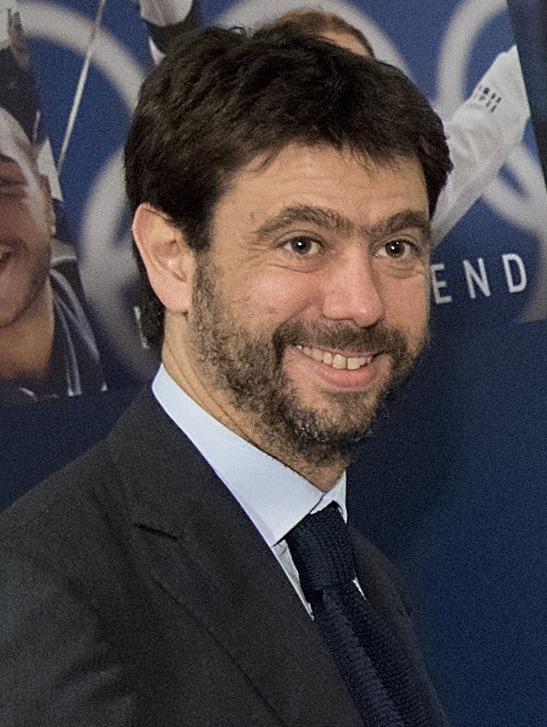
Andrea Agnelli, born on December 6, 1975, in Turin, Italy, is a prominent businessman and sports executive. He is best known for his tenure as the President of Juventus Football Club, one of the most successful football clubs in the world, and his roles within the broader Agnelli family business empire. This article explores his age, rise to fame, and the significant highlights of his life, providing a comprehensive understanding of an influential figure in both sports and business.
Early Life and Family Background
Family Heritage
Andrea Agnelli hails from one of Italy’s most illustrious families, deeply rooted in the country’s industrial and social fabric. He is the son of Umberto Agnelli, former CEO of Fiat, and Allegra Caracciolo di Castagneto, vice president of the Italian Association for Cancer Research (AIRC). His family includes notable figures such as his late brother, Giovannino Agnelli, and his cousins, John Elkann and Lapo Elkann.
Education
Andrea’s education laid a strong foundation for his future endeavors. He attended St. Clare’s International College in Oxford, followed by the prestigious Bocconi University in Milan, where he studied economics and business. This educational background equipped him with the knowledge and skills necessary to navigate the complex world of business and sports management.
Early Career and Entrepreneurial Ventures
Initial Career Moves
Andrea Agnelli’s early career was marked by diverse experiences across various industries. He worked with leading companies such as Piaggio, Auchan, Ferrari, and Philip Morris International, gaining valuable insights into different business operations and marketing strategies. These roles helped him build a robust professional network and sharpen his managerial skills.
Founding Lamse
In 2007, at the age of 32, Agnelli founded Lamse, a financial holding company. This venture showcased his entrepreneurial spirit and his ability to identify and capitalize on business opportunities. His passion for sports, particularly golf, also led him to become the CEO of the Royal Park Golf & Country Club I Roveri.
Role in Fiat and Exor
Connection to Fiat
The Agnelli family’s connection to Fiat is legendary, and Andrea’s involvement in the company was inevitable. He joined the Board of Directors of Fiat S.p.A. in 2004 and later became part of Fiat Chrysler Automobiles (FCA) in 2014. His role within Fiat allowed him to contribute to the strategic decisions that shaped the company’s future.
Involvement with Exor
In addition to his roles at Fiat, Andrea Agnelli has been active in Exor, the Agnelli family’s financial holding company that controls Fiat. Since 2006, he has been involved in Exor’s operations, influencing its investment decisions and strategic direction. Exor’s diverse portfolio includes investments in various sectors, reflecting the family’s broad business interests.
Presidency of Juventus Football Club
Early Involvement
Andrea Agnelli’s association with Juventus began in the late 1990s when he worked as an assistant in the club’s commercial department. This early exposure to the inner workings of one of the world’s most famous football clubs prepared him for future leadership roles within the organization.
Becoming President
In 2010, Andrea Agnelli was appointed President of Juventus, becoming the fourth member of the Agnelli family to hold this prestigious position, following in the footsteps of his grandfather Edoardo, his uncle Gianni Agnelli, and his father Umberto. Under his leadership, Juventus experienced a remarkable period of success, both on and off the field.
Achievements and Successes
As President of Juventus, Andrea Agnelli oversaw an era of unprecedented success for the club. Juventus won numerous titles, including multiple Serie A championships, Coppa Italia trophies, and Supercoppa Italiana titles. The club’s dominance in Italian football during his tenure is a testament to his effective leadership and strategic vision.
European Ambitions
Agnelli also played a crucial role in enhancing Juventus’s stature in European football. The club reached the UEFA Champions League final twice under his presidency, in 2015 and 2017. Although they did not win the coveted trophy, these achievements underscored Juventus’s position as a top-tier European club.
Challenges and Controversies
Legal Issues
Andrea Agnelli’s tenure as President of Juventus was not without controversy. In 2014, an investigation by the Turin Prosecutor’s Office looked into the management of ticket sales at Juventus Stadium, with suspicions of mafia infiltration. Although the initial investigation did not result in formal charges against the club, it highlighted potential vulnerabilities in the management processes.
FIGC Inquiry
In 2017, Agnelli faced another legal challenge when the FIGC (Italian Football Federation) launched an inquiry into his alleged meetings with ultra groups and ticket sales exceeding legal limits. He was initially handed a one-year ban and a fine of €20,000, which was later increased to €100,000 after an appeal. Despite these challenges, Agnelli maintained his position and continued to lead Juventus.
Recent Developments and Resignation
Departure from Juventus
In November 2022, Andrea Agnelli resigned as President of Juventus, along with the entire Board of Directors. This decision followed an investigation by the Turin Prosecutor’s Office into allegations of false accounting. His resignation marked the end of a significant chapter in the club’s history, as Juventus embarked on a new phase without an Agnelli at the helm.
Legacy at Juventus
Andrea Agnelli’s legacy at Juventus is marked by his contributions to the club’s success and modernization. He played a pivotal role in the construction of the new Juventus Stadium, which became a symbol of the club’s growth and ambition. His tenure also saw the club’s brand reach new heights, with increased global recognition and commercial success.
Influence and Impact on Football Governance
European Club Association (ECA)
Beyond Juventus, Andrea Agnelli has been influential in football governance at the European level. He served as the Chairman of the European Club Association (ECA), representing the interests of football clubs across Europe. In this role, he advocated for reforms in European football, including changes to the UEFA Champions League format.
Involvement with UEFA
Agnelli’s influence extended to UEFA, where he was a member of the Executive Committee. His involvement in football governance demonstrated his commitment to shaping the future of the sport and addressing the challenges faced by clubs in the modern football landscape.
Personal Life and Philanthropy
Family and Relationships
Andrea Agnelli married Emma Winter in 2005, and the couple had two children together. After their separation, he began a relationship with Deniz Akalin, with whom he has a daughter. Agnelli’s personal life has often been the subject of media attention, reflecting his status as a public figure.
Philanthropic Endeavors
In addition to his business and sports roles, Andrea Agnelli has been active in philanthropy. He has supported various charitable initiatives, particularly in the fields of cancer research and youth development. His contributions to these causes underscore his commitment to giving back to the community.
Historical Context and Influence
The Agnelli Family Legacy
To fully understand Andrea Agnelli’s impact, it is essential to consider the broader context of the Agnelli family’s legacy. The Agnellis have been central to Italy’s industrial and social development for over a century, with their influence extending beyond business to sports, culture, and philanthropy.
Modernizing Italian Football
Andrea Agnelli’s leadership at Juventus played a significant role in modernizing Italian football. His emphasis on professional management, commercial growth, and international competitiveness set new standards for Italian clubs. His vision for Juventus as a global brand helped elevate the profile of Serie A and Italian football as a whole.
Conclusion
Andrea Agnelli’s life and career are a testament to his leadership, vision, and resilience. From his early involvement in the family business to his transformative role at Juventus, Agnelli has left an indelible mark on both the business and sports worlds. His contributions to football governance and his philanthropic efforts further highlight his multifaceted impact. As he navigates the next chapter of his life, Andrea Agnelli’s legacy will continue to inspire and influence future generations.


