
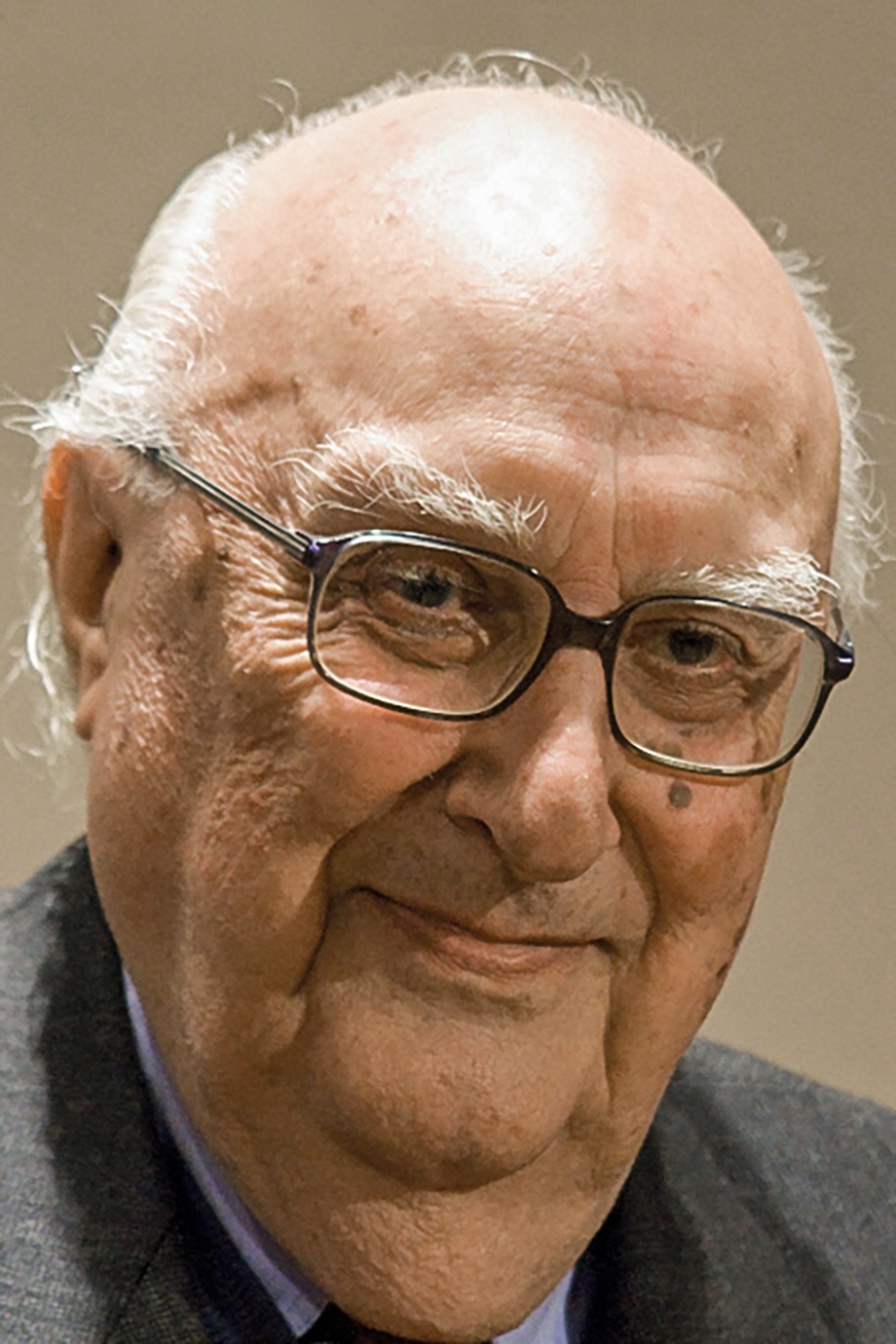
Andrea Camilleri, born on September 6, 1925, in Porto Empedocle, Agrigento, Sicily, is one of Italy’s most beloved and influential authors. Known primarily for his creation of the iconic character Commissario Salvo Montalbano, Camilleri’s works have captivated readers not only in Italy but across the world. His unique blend of Sicilian culture, historical depth, and linguistic innovation has established him as a literary figure of immense significance. This article provides a comprehensive overview of Andrea Camilleri’s life, his rise to fame, and the enduring impact of his works, exploring the nuances and historical context that have shaped his legacy.
Early Life and Education
Andrea Camilleri was born into a family with strong ties to Sicily, a region that would later become the central setting for much of his literary work. Growing up in Porto Empedocle, a town on the southern coast of Sicily, Camilleri was deeply influenced by the island’s culture, history, and dialect. His early exposure to the rich storytelling traditions of Sicily would later play a pivotal role in his writing.
Camilleri’s formative years were marked by significant historical events. He was just 18 when he witnessed the Allied invasion of Sicily during World War II, an experience that left a lasting impression on him. This period of turmoil and change would later find its way into the themes and settings of his novels, particularly those set in the fictional town of Vigàta, which mirrors his hometown.
After completing his secondary education, Camilleri moved to Rome to pursue his studies at the Accademia Nazionale d’Arte Drammatica (National Academy of Dramatic Arts). His time at the academy was instrumental in shaping his career, as it was here that he developed his skills in directing, screenwriting, and drama. These disciplines would not only influence his early career in theater and television but also inform the narrative style of his later literary works.
Career in Theater and Television
Andrea Camilleri’s professional journey began in the world of theater and television, where he made significant contributions as a director, screenwriter, and producer. In 1949, he started working as a director and writer for RAI, the Italian public broadcasting company. Over the years, Camilleri became known for his adaptations of detective stories, including popular series like Il Tenente Sheridan and Il Commissario Maigret. His work in television was highly respected, and he played a key role in popularizing the detective genre on Italian screens.
Camilleri’s background in theater also saw him directing plays by notable playwrights such as Luigi Pirandello and Samuel Beckett. His experience in this field not only honed his understanding of narrative structure and character development but also deepened his appreciation for the complexities of human behavior—an understanding that would later be reflected in the characters of his novels.
During his time in television, Camilleri became known for his ability to adapt complex stories into accessible and engaging formats for a wide audience. This skill would later be a hallmark of his literary work, where he skillfully blended intricate plots with rich, relatable characters.
Transition to Writing and Literary Success
Although Camilleri began writing early in his career, his first novel, Il corso delle cose (The Course of Things), published in 1978, went largely unnoticed. It wasn’t until 1980, with the publication of Un filo di fumo (A Thread of Smoke), that he began to gain recognition as a novelist. This novel was the first of many set in the fictional Sicilian town of Vigàta, a place that would become the central locale in much of his work.
However, it was not until the 1990s that Camilleri achieved widespread success as a writer. The breakthrough came with the introduction of Commissario Salvo Montalbano, a character who would become one of the most iconic figures in contemporary Italian literature. The first Montalbano novel, La forma dell’acqua (The Shape of Water), was published in 1994 and was followed by a series of books that quickly became bestsellers.
Montalbano, a Sicilian detective with a deep sense of justice, a love for good food, and a nuanced understanding of human nature, resonated with readers both in Italy and abroad. The character’s name is a tribute to the Spanish writer Manuel Vázquez Montalbán, whom Camilleri greatly admired. The Montalbano series, characterized by its vivid depictions of Sicilian life, its complex characters, and its exploration of social and political issues, has been translated into numerous languages and adapted into a highly successful television series.
Literary Style and Linguistic Innovation
One of the most distinctive features of Andrea Camilleri’s writing is his innovative use of language. Camilleri created a unique linguistic style that blends Italian with Sicilian dialect, creating a narrative voice that is both authentic and accessible. This hybrid language not only reflects the cultural richness of Sicily but also adds depth to the characters and settings of his novels.
Camilleri’s use of language is often compared to the work of Carlo Emilio Gadda, another Italian writer known for his complex and inventive use of dialect. Like Gadda, Camilleri’s linguistic choices serve to enhance the realism of his stories, immersing readers in the world of his characters.
In addition to his linguistic innovation, Camilleri’s novels are known for their intricate plots, often involving layers of mystery, history, and social commentary. His background in theater and television is evident in the way he structures his stories, with careful attention to pacing, dialogue, and dramatic tension. These elements combine to create novels that are both intellectually engaging and highly entertaining.
Themes and Influence
Camilleri’s work is deeply rooted in the history and culture of Sicily, and many of his novels explore themes related to the island’s complex social and political landscape. Issues such as corruption, the Mafia, and the challenges of modernity are recurring motifs in his work, reflecting Camilleri’s deep engagement with the realities of Sicilian life.
Despite these serious themes, Camilleri’s novels are also infused with a sense of humor and humanity. His characters are often flawed but relatable, and his stories frequently explore the tension between personal morality and societal expectations. This blend of humor, social commentary, and compelling storytelling has made Camilleri’s work resonate with a wide audience.
Beyond his success as a novelist, Camilleri has had a profound influence on Italian culture. The success of the Montalbano series, both in print and on television, has brought Sicilian culture to a global audience and inspired a renewed interest in Italian crime fiction. Camilleri’s work has also been credited with reinvigorating the Italian publishing industry, as his novels consistently topped bestseller lists and attracted a loyal readership.
The Montalbano Phenomenon
The impact of Commissario Montalbano on Italian culture cannot be overstated. The television adaptation of the Montalbano novels, starring Luca Zingaretti as the titular detective, has been a major success both in Italy and internationally. The show’s faithful adaptation of Camilleri’s stories, combined with Zingaretti’s charismatic performance, has made it one of the most popular Italian TV series of all time.
The series has not only brought the world of Vigàta to life but has also turned its locations into tourist attractions. Places like Ragusa, Scicli, and Punta Secca, where much of the series was filmed, have become popular destinations for fans of Montalbano. This phenomenon has had a significant impact on local tourism, further cementing Camilleri’s legacy in the region.
The Montalbano series has also been praised for its portrayal of Sicilian culture and its nuanced exploration of issues such as justice, loyalty, and the complexities of human relationships. These themes, combined with the series’ engaging plots and richly drawn characters, have made Montalbano a beloved figure not just in Italy, but around the world.
Later Life and Legacy
Andrea Camilleri continued to write well into his 90s, producing new Montalbano novels alongside other works of fiction, essays, and poetry. His prolific output, combined with his continued relevance in the cultural landscape, made him a unique figure in Italian literature.
Camilleri’s later works, such as Il cuoco dell’Alcyon (The Cook of the Alcyon) and L’altro capo del filo (The Other End of the Line), continued to explore themes of justice, morality, and the passage of time, often with a reflective tone that resonated with readers.
In addition to his literary achievements, Camilleri was also a respected public intellectual. He frequently spoke out on social and political issues, using his platform to advocate for justice, human rights, and the protection of cultural heritage. His voice was one of moral authority in Italy, and his opinions were widely respected.
Andrea Camilleri passed away on July 19, 2019, in Rome at the age of 93. His death was met with an outpouring of grief from fans, fellow writers, and cultural figures, who hailed him as a master storyteller and a cultural icon. The legacy of his work, particularly the Montalbano series, continues to influence Italian literature and television, and his novels remain beloved by readers around the world.
Conclusion
Andrea Camilleri’s life and work embody the richness of Italian culture and the power of storytelling. From his early days in the theater and television to his later success as a novelist, Camilleri demonstrated a unique ability to blend history, culture, and language into compelling narratives that resonate with readers across generations. His creation of Commissario Montalbano not only brought him international fame but also left an indelible mark on the world of crime fiction.
Camilleri’s legacy is one of innovation, creativity, and a deep love for Sicily, the land that inspired much of his work. As we reflect on his contributions to literature and culture, it is clear that Andrea Camilleri will be remembered as one of Italy’s greatest writers, a master of language and a storyteller whose work continues to captivate audiences around the world.


