
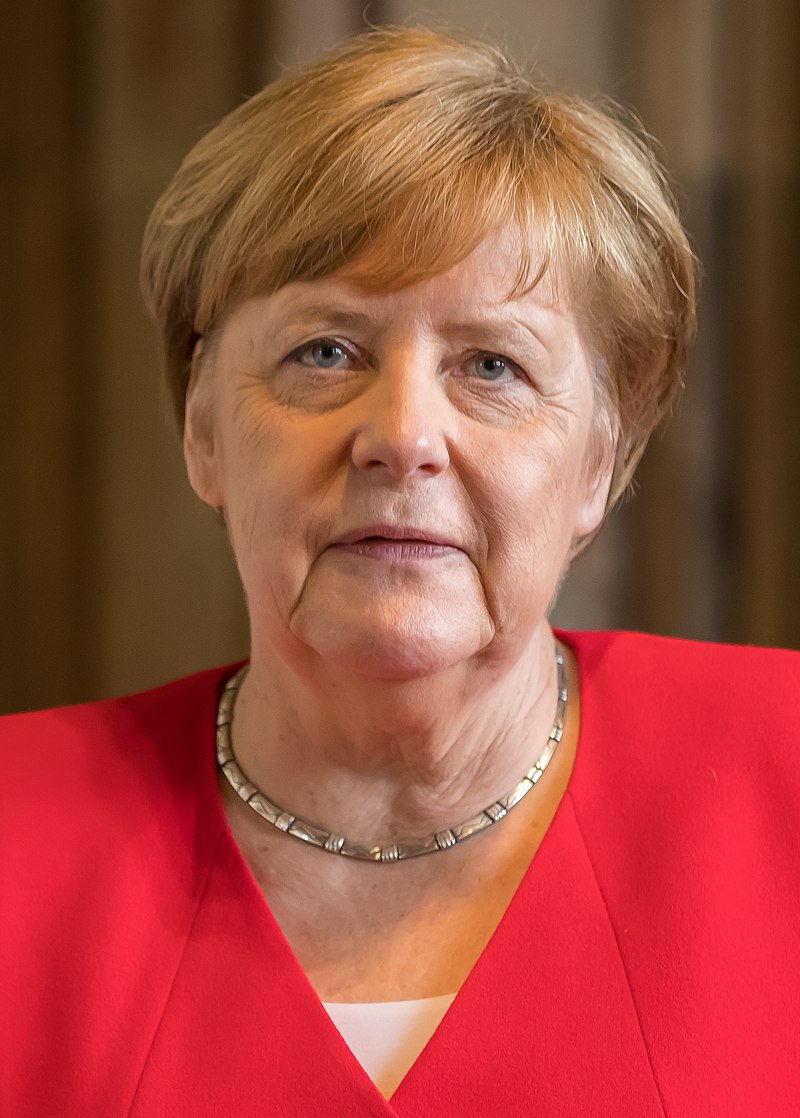
Angela Merkel is a towering figure in contemporary politics, renowned for her tenure as Chancellor of Germany. Her journey from a physicist in East Germany to one of the most influential leaders in Europe is both remarkable and instructive. In this comprehensive overview, we delve into Merkel’s life, her rise to prominence, her political career, and the legacy she leaves behind.
Early Life and Background
Angela Dorothea Kasner, born on July 17, 1954, in Hamburg, Germany, is the daughter of Horst Kasner, a Protestant pastor, and Herlind Kasner. Shortly after her birth, her family moved to Quitzow, a small village in Brandenburg, East Germany. This early exposure to a divided nation and the tensions of Cold War politics would shape Merkel’s worldview.
Merkel’s father was known for his attempts to engage with the East German regime, which earned him the nickname “Kasner the Red.” This early environment of political engagement and ideological conflict provided Merkel with a backdrop that influenced her future career.
Academic Pursuits and Early Career
Merkel excelled academically from a young age. She pursued higher education at the University of Leipzig, where she studied physics. Her academic prowess was evident as she graduated with a degree in physics in 1978. During her time at university, Merkel was involved with the Free German Youth (FDJ), the official communist youth organization in East Germany, where she held leadership positions.
Her scientific training was instrumental in shaping her methodical and analytical approach to problem-solving, traits that would become hallmarks of her political career. Merkel’s academic background in physics also contributed to her reputation as a pragmatic and rational decision-maker.
Entry into Politics
Merkel’s political career began in the tumultuous period following the fall of the Berlin Wall. In 1989, just before the end of the East German regime, she joined the Democratic Awakening (Demokratischer Aufbruch), a party advocating for democratic reforms. This party later merged with the Christian Democratic Union (CDU) as part of the “Alliance for Germany” for the first free elections in East Germany.
Merkel’s initial political role was as a deputy spokesperson in the last government of East Germany, led by Lothar de Maizière. Following German reunification, she quickly made a name for herself in the CDU. Her ascent was swift: she became Minister for Women and Youth, then Minister for the Environment, Nature Conservation, and Nuclear Safety.
Chancellor of Germany
Angela Merkel’s political rise culminated in her election as Chancellor of Germany in 2005. Her tenure as Chancellor was marked by a pragmatic approach to governance, a focus on economic stability, and a cautious but firm stance on European and global issues. She was re-elected in 2009, and her leadership was characterized by her ability to navigate complex international relations and domestic challenges.
Merkel’s leadership was particularly notable during the Eurozone crisis, where she played a central role in shaping the European Union’s response. Her policies aimed at stabilizing the euro and managing the financial crisis demonstrated her commitment to economic stability and European integration.
Legacy and Impact
Angela Merkel’s legacy is multifaceted. Her tenure was defined by a commitment to pragmatic policies, economic stability, and a cautious approach to international relations. She was known for her ability to balance competing interests and maintain stability in a rapidly changing political landscape.
Merkel’s influence extended beyond Germany. As one of the most powerful women in global politics, she played a key role in shaping European Union policies and addressing international challenges, from the refugee crisis to climate change. Her leadership style, characterized by careful deliberation and a focus on evidence-based decision-making, has been both praised and critiqued.
Merkel announced her retirement from politics in 2018, following a decline in support for the CDU in regional elections. Her departure marked the end of an era in German politics, with Olaf Scholz succeeding her as Chancellor in 2021.
Conclusion
Angela Merkel’s journey from a scientist in East Germany to the Chancellor of Germany is a testament to her resilience, intellect, and political acumen. Her legacy will be remembered for her pragmatic approach to governance, her role in navigating Europe through crises, and her impact on global politics. Merkel’s life and career offer valuable insights into the nature of leadership and the complexities of modern governance.


