
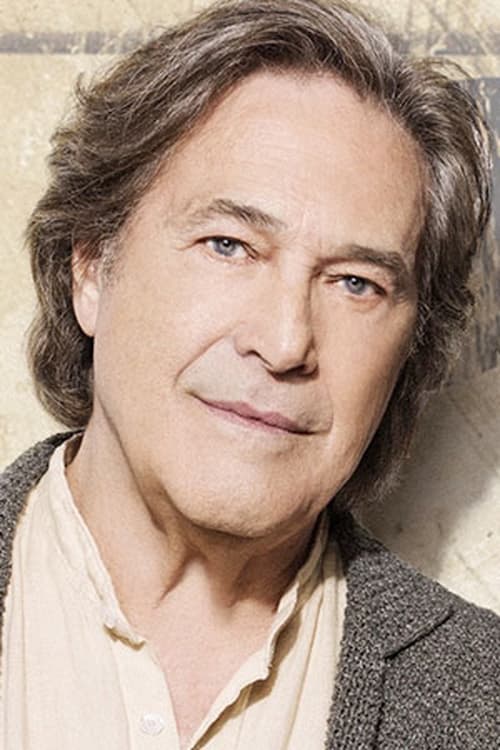
Angelo Sotgiu is a name that resonates deeply in the hearts of those familiar with Italian music, particularly as a member of the iconic group Ricchi e Poveri. Born on February 22, 1946, in the small town of Trinità d’Agultu e Vignola in Sardinia, Sotgiu’s journey to fame is one of perseverance, talent, and a deep love for music. Over the decades, his contributions to the world of music have left an indelible mark, both in Italy and internationally. This article explores his life, career, and the milestones that have defined his journey.
Early Life and Musical Beginnings
Angelo Sotgiu was born into a modest family in Sardinia, a region known for its rich cultural heritage and traditional music. When he was still a toddler, his family moved to Genoa, a city that would play a pivotal role in his future. Growing up in Genoa, Sotgiu was exposed to a diverse array of musical influences, which sparked his interest in singing and performing.
His musical career began at a young age when he formed a duo called Jet with his friend Franco Gatti. This early collaboration marked the beginning of what would become a lifelong partnership in the music industry. The duo performed in local venues, gradually building a following and honing their craft.
The Formation of Ricchi e Poveri
In 1967, Angelo’s life took a significant turn when he met Angela Brambati, a young singer who was also trying to make a name for herself in the industry. Brambati introduced Sotgiu to Marina Occhiena, another aspiring singer, and together with Franco Gatti, they formed the group Ricchi e Poveri. The name, suggested by their friend Franco Califano, was a nod to their humble beginnings and their rich spirit.
The group’s early days were challenging. Their first audition at a Milanese record company did not go well, but they were encouraged by their fellow Genoese, Fabrizio De André, who believed in their potential. His support, along with that of Califano, kept the group motivated during those difficult early years.
Rise to Fame in the 1970s
Ricchi e Poveri’s big break came in 1968 when they participated in the Cantagiro music competition with the song “L’ultimo amore,” an Italian version of the English hit “Everlasting Love.” Although it wasn’t an immediate hit, it marked the beginning of their rise to fame.
Their participation in the Sanremo Music Festival in 1970 was a turning point. Performing “La prima cosa bella” alongside Nicola Di Bari, they captivated audiences and secured second place, a remarkable achievement that propelled them into the spotlight. The song became a huge hit in Italy, and the group’s popularity soared.
Throughout the 1970s, Ricchi e Poveri continued to dominate the Italian music scene with their catchy tunes and harmonious vocals. Their blend of pop, folk, and traditional Italian music resonated with a wide audience, making them one of the most beloved musical acts in the country. The group released several successful albums during this period, solidifying their status as Italian pop icons.
Turbulence and Success in the 1980s
The 1980s were a decade of both turmoil and triumph for Ricchi e Poveri. In 1981, Marina Occhiena left the group under controversial circumstances, reducing the quartet to a trio. The departure was reportedly due to personal conflicts, particularly tensions between Occhiena and Angela Brambati. Despite this setback, the group decided to continue as a trio, and their decision paid off.
The 1980s became the golden era for Ricchi e Poveri. They released a string of hits that dominated the Italian and international charts. Songs like “Sarà perché ti amo,” “Mamma Maria,” and “Se m’innamoro” became anthems, not just in Italy, but across Europe and Latin America, where their songs were translated into Spanish and became equally popular.
Their success reached its peak in 1985 when they won the Sanremo Music Festival with “Se m’innamoro.” This victory cemented their place in Italian music history and showcased their ability to evolve and stay relevant in the ever-changing music landscape.
Personal Life
In 1982, Angelo Sotgiu married Nadia Cocconcelli, and the couple had two children, Elena and Daniele. Despite the pressures of fame, Sotgiu managed to maintain a balance between his personal and professional life, keeping his family close while continuing to pursue his passion for music.
The 1990s and Beyond
As the 1990s rolled in, the music industry underwent significant changes, but Ricchi e Poveri continued to thrive. They remained active, releasing new music, performing at concerts, and participating in various television shows. Their ability to adapt to the changing music scene while staying true to their roots was key to their longevity.
In 2013, the group was invited as special guests to the Sanremo Music Festival, a testament to their enduring popularity. However, tragedy struck when Franco Gatti’s son passed away suddenly, leading to the cancellation of their appearance. The loss was a heavy blow to the group, and in 2016, Gatti decided to retire from performing to focus on his family.
Despite Gatti’s departure, Angelo Sotgiu and Angela Brambati chose to carry on as a duo. Their determination to keep the legacy of Ricchi e Poveri alive was rewarded when they were invited to reunite with the original lineup for a special performance at the 2020 Sanremo Music Festival. This reunion was a nostalgic moment for fans and a celebration of their remarkable career.
Recent Years and Legacy
The passing of Franco Gatti in 2022 marked the end of an era for Ricchi e Poveri. Gatti’s death was a significant loss, not only for the group but for the entire Italian music community. However, Sotgiu and Brambati have continued to perform, honoring the legacy they built together over decades.
In 2024, Ricchi e Poveri, now a duo consisting of Angelo Sotgiu and Angela Brambati, returned to the Sanremo Music Festival with a new song, “Ma non tutta la vita.” This performance was a reminder that even after more than five decades, Ricchi e Poveri remain relevant and beloved by audiences of all ages.
Angelo Sotgiu’s contribution to music extends far beyond his role in Ricchi e Poveri. He has been a part of the soundtrack of millions of lives, his voice and presence bringing joy to countless fans around the world. His ability to adapt and evolve with the times, while staying true to his musical roots, is a testament to his talent and dedication.
Conclusion
Angelo Sotgiu’s journey from a small Sardinian town to international fame is a story of perseverance, passion, and unwavering commitment to his craft. As a member of Ricchi e Poveri, he has left an indelible mark on the music industry, not just in Italy but globally. His life and career are a testament to the power of music to transcend boundaries and bring people together.
As we look back on the life of Angelo Sotgiu, we see a man who has not only entertained millions but has also inspired countless others with his dedication and resilience. His story is one of triumph over adversity, and his legacy will undoubtedly continue to influence and inspire future generations of musicians and fans alike.
Whether as a member of Ricchi e Poveri or as an individual artist, Angelo Sotgiu’s contributions to music will be remembered and celebrated for many years to come.


