
Introduction
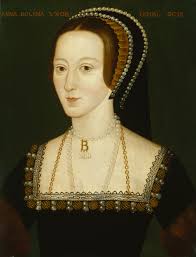
Anna Bolena, known in English as Anne Boleyn, is a historical figure whose life and legacy have fascinated historians and enthusiasts for centuries. Born in the early 16th century, her rise to fame, tumultuous relationship with King Henry VIII, and eventual downfall have cemented her as one of the most intriguing queens in British history. This article delves into the details of her age, the heights of her fame, and the significant moments of her life, offering a comprehensive view of Anna Bolena’s story.
Early Life and Noble Origins
Anna Bolena was born in 1507, although some sources suggest she may have been born as early as 1501. She was born in Hever Castle, located in Kent, South East England. Her father, Thomas Boleyn, was the Earl of Wiltshire, and her mother was the daughter of Thomas Howard, the second Duke of Norfolk. Anna’s family was of noble descent, which afforded her a privileged upbringing, although they had yet to secure prominent positions at court. Thomas Boleyn’s diplomatic skills, however, played a crucial role in advancing the family’s status.
Education and Early Court Life
Thomas Boleyn managed to secure prestigious positions for his daughters at the French court. Anna and her sister were educated in the courts of Louis XII and later Francis I of France. This experience exposed Anna to the sophisticated culture and politics of the time, shaping her into a cultured and astute young woman.
Upon her return to England, Anna Bolena became a lady-in-waiting to Queen Catherine of Aragon, the first wife of King Henry VIII. Catherine was a strong and devout woman, but her inability to produce a male heir became a significant issue for the king.
Relationship with King Henry VIII
Henry VIII, a young and ambitious king, was initially married to Catherine of Aragon. Despite Catherine’s strong influence and the respect she commanded, her failure to produce a male heir led to growing tensions. Henry’s desire for a male heir was driven by the need to secure the Tudor dynasty, which had been established by his father after the Wars of the Roses.
Anna Bolena caught the eye of Henry VIII, and their relationship quickly evolved into a passionate affair. Despite the initial secrecy, their relationship became widely known, causing considerable scandal and resentment, especially from Queen Catherine and her supporters. Thomas Wolsey, the king’s principal advisor, opposed the relationship but could not prevent its progression.
Marriage and Coronation
In 1533, Henry VIII married Anna Bolena, despite the ongoing legal and theological challenges to annul his marriage to Catherine. Anna’s influence over the king grew, and she became a significant figure at court. She was already pregnant at the time of her marriage and gave birth to Elizabeth I of England, who would later become one of England’s greatest monarchs.
Anna’s coronation in May 1533 marked a high point in her life. However, her popularity was not widespread, as many still viewed her as an intruder and usurper of Catherine’s rightful place. The Pope’s refusal to recognize the annulment of Henry’s marriage to Catherine led to the excommunication of the king and the establishment of the Church of England.
Downfall and Execution
Anna’s failure to produce a male heir became a critical issue. She suffered several miscarriages and gave birth to a stillborn son. These personal tragedies, combined with the king’s growing impatience and political pressures, led to her downfall. Thomas Cromwell, once an ally, orchestrated a case against her, accusing her of witchcraft and adultery.
In 1536, Anna Bolena was arrested and imprisoned in the Tower of London. She was charged with treason, adultery, and incest, and was found guilty on all counts. Despite maintaining her innocence, Anna was executed on May 19, 1536. Her death marked a tragic end to a life that had once held so much promise and influence.
Legacy and Historical Significance
Anna Bolena’s legacy is complex and multifaceted. Initially vilified as a homewrecker and adulteress, later historical analyses have revealed her as a woman of significant intelligence and influence. Her role in the English Reformation, particularly the establishment of the Church of England, cannot be understated. She was a patron of the arts and a supporter of religious reform, albeit not in a heretical sense but more aligned with humanist and theological perspectives.
Anna’s daughter, Elizabeth I, would go on to become one of England’s most revered monarchs, known for her strong leadership and the Elizabethan era’s cultural flourishing. Anna’s life and death had far-reaching consequences for English history, shaping the course of the nation’s religious and political landscape.
Conclusion
Anna Bolena’s life is a testament to the complexities of court life in Tudor England. From her noble beginnings to her tragic end, she remains a figure of enduring interest and debate. Her impact on history, particularly through her daughter Elizabeth I, ensures that Anna Bolena will always be remembered as a significant, albeit controversial, figure in the annals of British history.


