
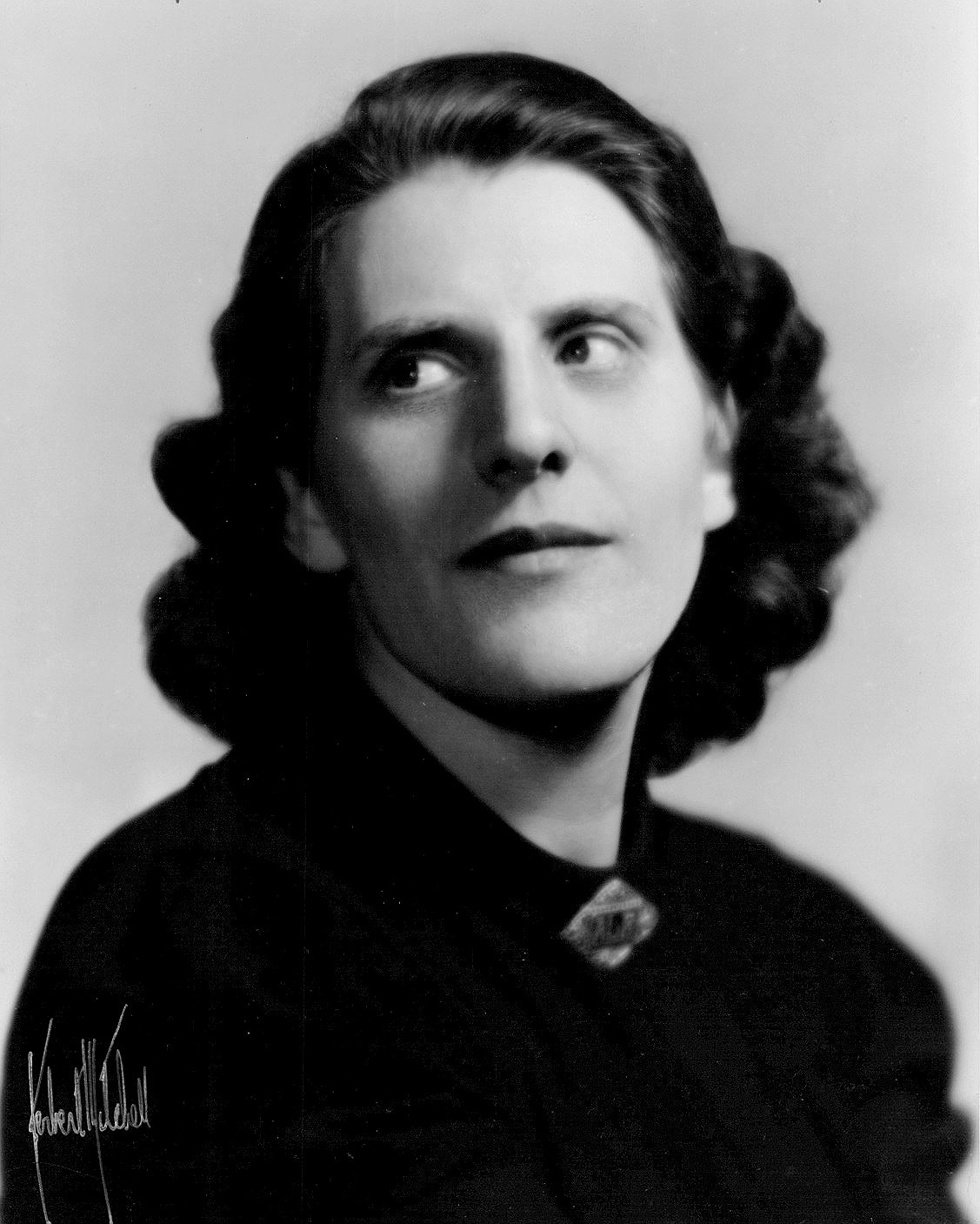
Antonia Brico, born on June 26, 1902, in Rotterdam, Netherlands, and later raised in the United States, was a trailblazing conductor and pianist. Known for breaking barriers in a male-dominated field, Brico’s career spanned several decades, during which she gained recognition as one of the first women to conduct major orchestras in the United States and Europe. This article explores Brico’s life, her rise to fame, and the significant highlights of her career, providing detailed insights and historical context.
Early Life and Education
Antonia Louisa Brico was born in Rotterdam, Netherlands, to an unwed mother. Shortly after her birth, she was adopted by an American couple, Mr. and Mrs. Brico, who brought her to the United States when she was just a few years old. The family settled in California, where Antonia grew up and began her early education.
From a young age, Brico exhibited a strong interest in music. She started learning piano as a child and quickly demonstrated prodigious talent. Her early music education laid the foundation for her later career, as she became increasingly passionate about classical music and conducting—a field that, at the time, was almost exclusively male.
Pursuit of Music Education
Brico’s pursuit of music led her to the University of California, Berkeley, where she studied piano and music theory. During her time at Berkeley, she became involved with the university’s orchestra and further developed her skills in conducting. Despite facing significant gender-based discrimination, Brico was determined to become a conductor.
After graduating from Berkeley in 1923, Brico moved to New York City, where she studied piano under several prominent teachers. Her passion for conducting, however, remained her primary focus. In 1927, she traveled to Europe to study conducting under the tutelage of Karl Muck, the esteemed conductor of the Hamburg Philharmonic Orchestra. Muck recognized her talent and provided her with the mentorship and opportunities she needed to hone her craft.
Breaking Barriers in Conducting
Antonia Brico’s career as a conductor began in earnest in the late 1920s and early 1930s. She faced considerable challenges as a woman in a profession dominated by men, but her persistence and exceptional skill eventually earned her recognition.
The Berlin Philharmonic Debut
One of Brico’s most significant achievements came in 1930 when she became the first woman to conduct the Berlin Philharmonic Orchestra, one of the most prestigious orchestras in the world. This historic performance marked a turning point in her career, as it demonstrated her capabilities on an international stage and challenged the prevailing norms of the time.
The Berlin Philharmonic performance was met with critical acclaim, and Brico’s reputation as a talented conductor began to grow. However, despite this success, she continued to face significant obstacles in her career due to her gender.
The Formation of the New York Women’s Symphony
In the early 1930s, frustrated by the lack of opportunities for female conductors, Brico founded the New York Women’s Symphony Orchestra. The orchestra was composed entirely of female musicians, and its creation provided Brico with a platform to conduct regularly and showcase the talent of women in classical music.
The New York Women’s Symphony quickly gained a reputation for its high-quality performances. Under Brico’s direction, the orchestra performed at major venues, including Carnegie Hall, and received positive reviews from critics. The success of the orchestra highlighted Brico’s skill as a conductor and her commitment to promoting gender equality in the arts.
Continued Success and Recognition
Throughout the 1930s and 1940s, Antonia Brico continued to build her career, conducting orchestras across the United States and Europe. She became known for her precision, emotional depth, and the ability to bring out the best in her musicians.
Collaborations with Major Orchestras
Brico’s growing reputation led to invitations to conduct some of the world’s leading orchestras. She conducted the Los Angeles Philharmonic, the San Francisco Symphony, and the New York Philharmonic, among others. These performances further established her as a conductor of international stature.
In 1938, Brico made history again by becoming the first woman to conduct the New York Philharmonic at Carnegie Hall. This achievement was particularly significant given the orchestra’s status as one of the most prestigious in the world. Her performance was lauded for its energy and mastery, solidifying her place in the annals of classical music history.
Advocacy for Women in Music
In addition to her work as a conductor, Brico was a vocal advocate for women’s rights in the music industry. She spoke out against the systemic barriers that prevented women from pursuing careers in conducting and worked tirelessly to support female musicians. Her efforts included mentoring young female conductors and advocating for more opportunities for women in classical music.
Later Years and Legacy
Antonia Brico’s later years were marked by continued contributions to music, both as a conductor and as an educator. She settled in Denver, Colorado, where she became the conductor of the Denver Businessmen’s Orchestra, later renamed the Denver Philharmonic Orchestra. She also taught music and conducting at the University of Denver, where she influenced a new generation of musicians.
The Brico Symphony Orchestra
In Denver, Brico founded the Brico Symphony Orchestra, an ensemble that provided opportunities for young musicians and allowed Brico to continue her work as a conductor. The orchestra became known for its ambitious programs and high standards, reflecting Brico’s dedication to excellence in music.
Recognition and Awards
Despite the challenges she faced throughout her career, Brico received numerous accolades for her contributions to music. In 1975, she was honored with a Golden Baton Award from the American Symphony Orchestra League, recognizing her pioneering role in the field of conducting. She was also the subject of a 1974 documentary film titled “Antonia: A Portrait of the Woman,” directed by her former student Judy Collins. The film brought renewed attention to Brico’s career and highlighted her impact on classical music.
Final Years and Death
Antonia Brico continued to conduct and teach well into her later years. She passed away on August 3, 1989, in Denver, Colorado, at the age of 87. Her death marked the end of a remarkable career that had broken new ground for women in music and left a lasting legacy.
Lasting Impact and Influence
Antonia Brico’s impact on the world of classical music is profound. As one of the first women to break into the male-dominated field of conducting, she paved the way for future generations of female conductors and musicians. Her achievements challenged the status quo and demonstrated that women could excel in roles traditionally reserved for men.
Influence on Contemporary Conductors
Brico’s legacy lives on through the many female conductors who have followed in her footsteps. Her determination, skill, and advocacy for gender equality in music continue to inspire conductors and musicians around the world. Today, women conductors are more visible and successful than ever before, thanks in part to the trail blazed by Antonia Brico.
Contributions to Music Education
Brico’s contributions to music education are also significant. Through her teaching and mentorship, she influenced countless young musicians, many of whom went on to have successful careers in music. Her commitment to excellence and her belief in the importance of music education continue to resonate in the institutions she was affiliated with.
Recognition in Modern Times
In recent years, there has been a renewed interest in Antonia Brico’s life and work. Her story is often cited as an example of perseverance and dedication in the face of adversity. Various institutions and organizations have honored her legacy, ensuring that her contributions to classical music are remembered and celebrated.
Conclusion
Antonia Brico’s life and career are a testament to her extraordinary talent, determination, and resilience. From her early days as a pioneering female conductor to her later years as an influential educator and advocate for women in music, Brico’s legacy is one of breaking barriers and challenging norms. Her contributions to classical music have left an indelible mark on the field, inspiring countless musicians and conductors who have followed in her footsteps.
As we continue to celebrate and honor her achievements, Antonia Brico remains a symbol of courage and innovation in the world of music—a woman who dared to dream big and who, through her talent and determination, changed the course of history.


