
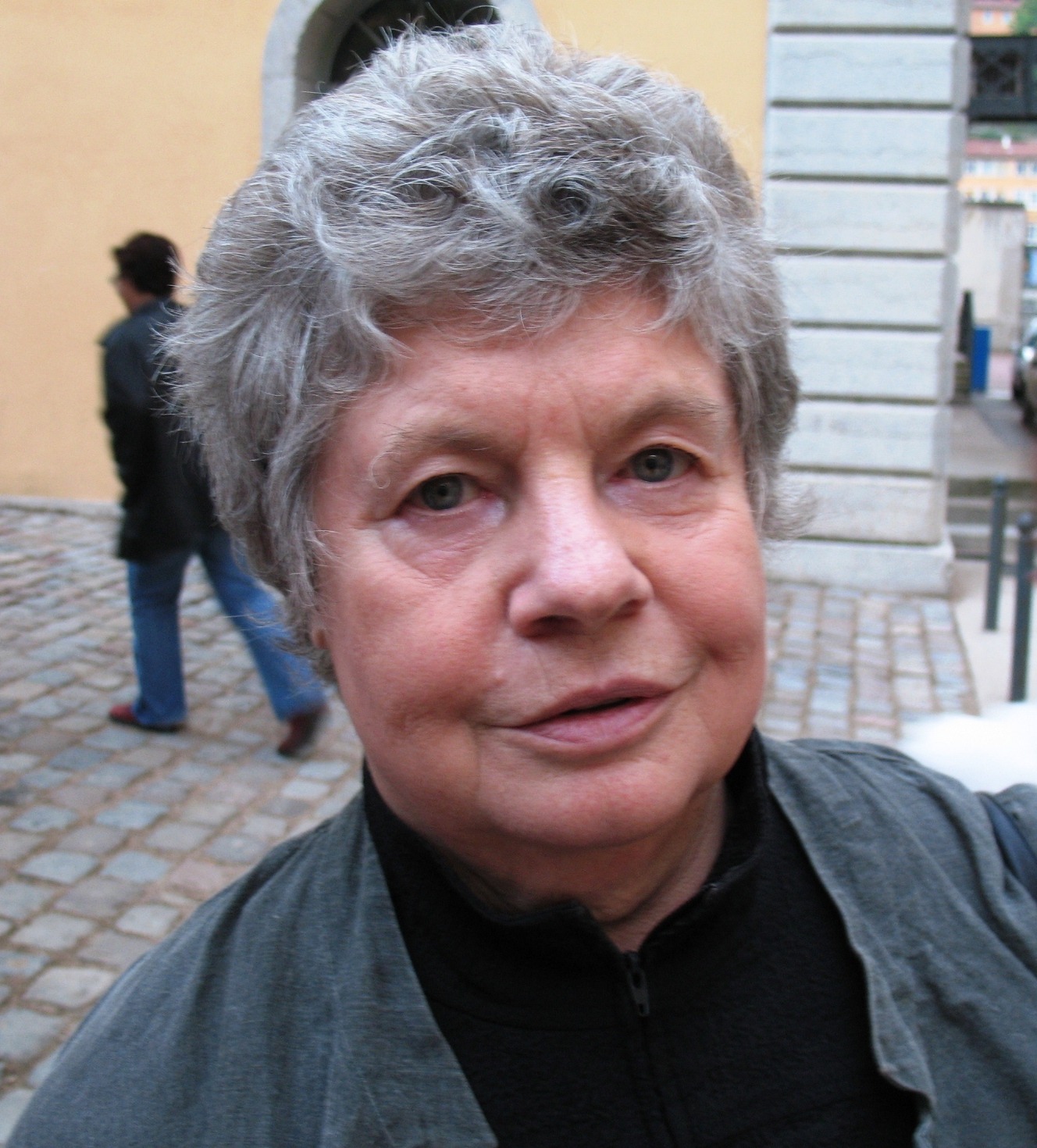
Antonia Susan Byatt, known professionally as A.S. Byatt, is a distinguished British author, literary critic, and academic whose work has significantly influenced contemporary literature. Born Antonia Drabble on August 24, 1936, in Sheffield, England, Byatt has become a leading voice in English literature, renowned for her intellectual depth, narrative complexity, and her exploration of the intersections between literature, history, and the human experience.
Early Life and Academic Foundations
Antonia S. Byatt was born into an intellectually vibrant household. Her father, John Drabble, was a barrister, and her mother, Marie Bloor, was a teacher. She is the eldest of three siblings, and her sister, Margaret Drabble, also became a well-known author. The Drabble family’s academic orientation and engagement with literature had a profound impact on Byatt’s early life, setting the stage for her future career.
Byatt pursued her education at the prestigious Newnham College, Cambridge, where she studied English literature. She furthered her studies in the United States, attending Bryn Mawr College in Pennsylvania, before returning to the UK to complete her postgraduate studies at Somerville College, Oxford. Her academic background laid a solid foundation for her literary career, enriching her works with historical and literary references that would become a hallmark of her writing.
Transition from Academia to Literary Fame
Before dedicating herself entirely to writing, Byatt had a successful academic career, teaching English literature at various institutions, including the University of London. Her early works were deeply influenced by her academic background, blending literary theory with fiction in a way that appealed to both scholars and general readers.
Byatt’s first novel, “The Shadow of the Sun,” was published in 1964, marking the beginning of a prolific literary career. The novel received critical acclaim, showcasing her ability to weave complex narratives that explored the intricacies of human relationships and personal identity. However, it was her 1990 novel, “Possession: A Romance,” that catapulted her to international fame.
“Possession”: A Turning Point
“Possession: A Romance” is arguably Byatt’s most celebrated work. The novel won the prestigious Booker Prize for Fiction in 1990, establishing her as a leading figure in contemporary English literature. The book intertwines two parallel narratives—one set in the Victorian era and the other in the 20th century. It follows the lives of two modern-day scholars, Roland Michell and Maud Bailey, as they uncover a hidden romance between two fictional Victorian poets, Randolph Ash and Christabel LaMotte.
“Possession” is notable for its intricate structure, which includes letters, poetry, and diary entries, creating a richly layered narrative that explores themes of love, obsession, and the nature of literary scholarship. The novel’s blend of literary history and fiction, along with its exploration of the relationship between past and present, resonated with readers and critics alike, earning Byatt widespread acclaim.
Literary Style and Themes
A.S. Byatt’s literary style is characterized by its intellectual rigor, complex character development, and rich intertextuality. Her works often delve into the relationship between art and life, exploring how literature and history shape individual and collective identities. Byatt is known for her meticulous research and her ability to incorporate historical and literary references into her narratives seamlessly.
Her novels frequently explore the tension between personal desire and social constraints, particularly in the context of gender and class. Byatt’s writing is also marked by a deep engagement with the natural world, often using imagery drawn from nature to reflect the inner lives of her characters. Her work is both reflective and analytical, offering readers a thoughtful examination of the human condition.
Major Works and Critical Acclaim
In addition to “Possession,” Byatt has written numerous other novels, short stories, and essays that have garnered critical acclaim. Her “Frederica Quartet,” which includes “The Virgin in the Garden” (1978), “Still Life” (1985), “Babel Tower” (1996), and “A Whistling Woman” (2002), is a notable achievement in her career. This series of novels follows the life of Frederica Potter, a young woman navigating the social and intellectual upheavals of post-war Britain. The quartet is praised for its exploration of the intersection between personal and societal change, as well as its richly detailed portrayal of the period.
Byatt’s short story collections, such as “Angels and Insects” (1992) and “The Matisse Stories” (1993), further demonstrate her versatility as a writer. “Angels and Insects” was adapted into a successful film, further cementing Byatt’s reputation as a writer whose work resonates across different media.
The Role of Women in Byatt’s Work
Throughout her career, Byatt has been particularly interested in the role of women in society and literature. Her works often feature strong, complex female protagonists who challenge traditional gender roles and navigate the constraints imposed by society. Byatt’s exploration of these themes is informed by her deep understanding of literary history, particularly the works of female authors like Jane Austen, George Eliot, and the Brontë sisters.
Byatt has also contributed to the broader discussion of women’s roles in literature through her critical essays and public lectures. She has been a vocal advocate for the recognition of women’s contributions to literature, arguing that the female literary tradition deserves the same respect and study as its male counterpart.
Personal Life and Influence
A.S. Byatt’s personal life has been marked by both joy and tragedy. She was married twice; her first marriage, to Ian Charles Rayner Byatt, produced two children, one of whom, Charles, tragically died in a car accident. This loss had a profound impact on Byatt, influencing much of her subsequent work, particularly her exploration of grief and loss.
Byatt’s second marriage, to Peter John Duffy, has been a source of stability and support throughout her career. Despite the challenges she has faced, Byatt has continued to write prolifically, earning numerous awards and honors for her contributions to literature.
Byatt’s influence extends beyond her own writing. She has mentored many young writers and has been an active participant in the literary community, contributing essays and reviews to various publications. Her critical work, particularly her analysis of Victorian literature and its impact on contemporary writing, has been widely respected in academic circles.
Legacy and Continuing Impact
As A.S. Byatt continues to write and publish, her legacy as one of the most important literary figures of her generation is firmly established. Her works are studied in universities around the world, and she has inspired countless readers and writers with her intellectual rigor and creative vision.
Byatt’s ability to bridge the gap between scholarly analysis and narrative fiction has set her apart from her contemporaries. Her exploration of the relationship between literature and life, coupled with her deep engagement with history and culture, ensures that her work will remain relevant for years to come.
Conclusion: A Life in Literature
Antonia S. Byatt’s life and work exemplify the power of literature to explore the depths of human experience. From her early days as a scholar to her rise as one of the most celebrated authors of her time, Byatt has consistently demonstrated a commitment to excellence in both her creative and critical endeavors.
Her novels, essays, and short stories offer readers a rich tapestry of themes and ideas, inviting them to consider the complexities of life, love, and art. As Byatt continues to write, her influence on the literary world only grows, solidifying her place as a towering figure in contemporary literature.
For those who seek to understand the connections between literature and life, and the ways in which art can both reflect and shape reality, A.S. Byatt’s work offers a profound and enduring resource.


