
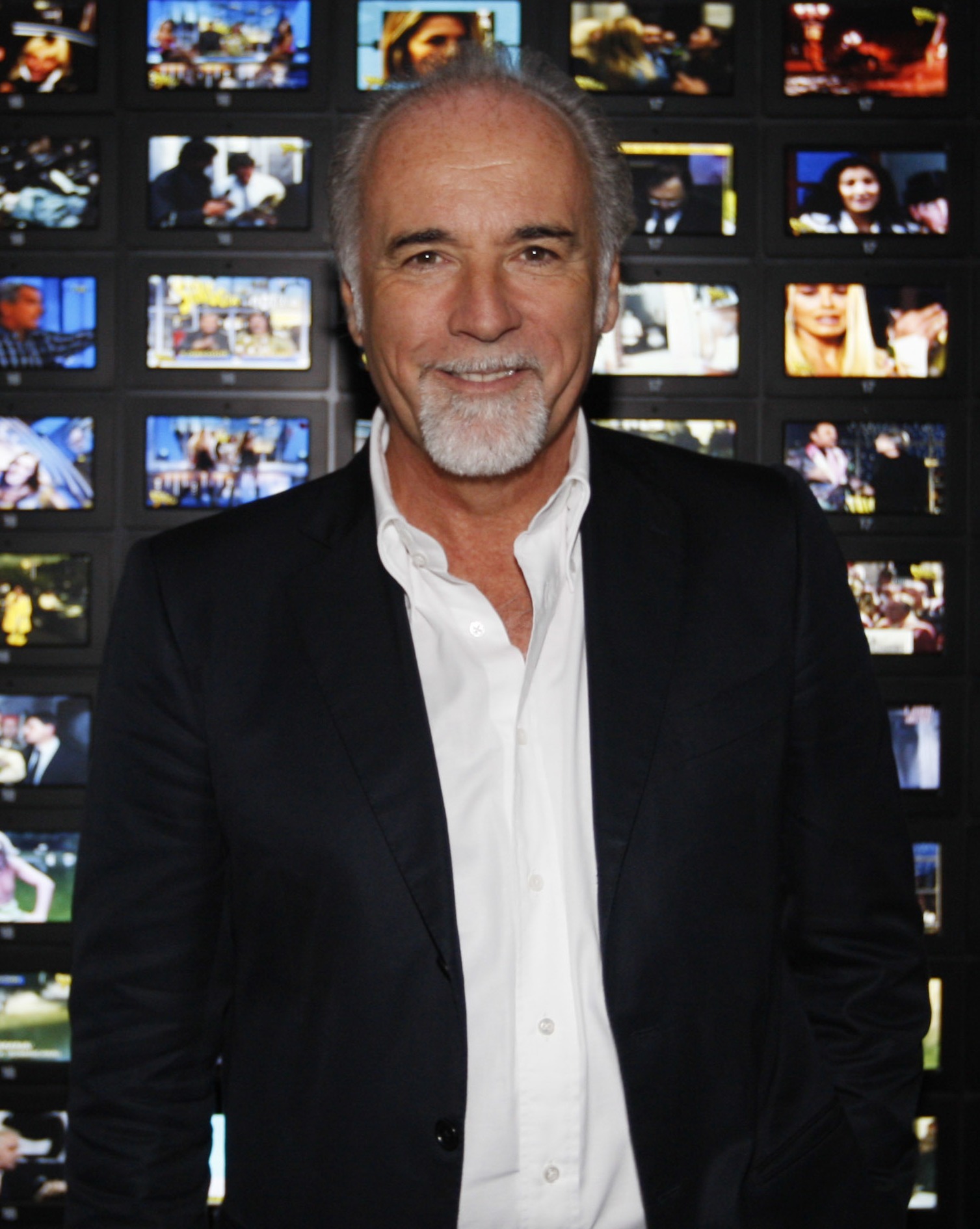
Antonio Ricci is a name that resonates with innovation and influence in the world of Italian television. Born on June 26, 1950, in Albenga, Liguria, Ricci’s journey from a student of art history to one of Italy’s most renowned television creators is nothing short of remarkable. This article delves into the life of Antonio Ricci, highlighting his age, the milestones that have defined his career, and the legacy he continues to build in the entertainment industry.
Early Life and Education
Antonio Ricci’s story begins in the picturesque region of Liguria, Italy, where he was born and raised. His early years were marked by a keen interest in the arts, which eventually led him to pursue a degree in Art History. Ricci graduated with a thesis focused on the defense of cultural heritage, reflecting his deep-seated appreciation for history and the arts. His academic background, however, was just the beginning of a journey that would see him become a central figure in Italian television.
Military Service and Early Career
In 1975, Ricci completed his mandatory military service with the Italian Air Force. This period of his life, though seemingly unrelated to his future career in entertainment, instilled in him a sense of discipline and dedication that would later become hallmarks of his professional life.
After his military service, Ricci married Silvia Arnaud, and it was around this time that he began exploring his passion for comedy writing. His breakthrough came at the age of 29 when he became one of the writers for “Fantastico,” a popular Saturday night show on Raiuno. It was here that Ricci began collaborating with Beppe Grillo, a well-known comedian from Genoa. This partnership would prove to be a significant stepping stone in Ricci’s career.
Rise to Fame: The Drive-In Era
The early 1980s marked a period of rapid ascent for Antonio Ricci in the world of television. In 1983, he joined the team of “Drive-In,” a comedy show on Italia 1 that quickly became a cultural phenomenon. The show’s format was unlike anything seen on Italian television at the time, blending elements of American drive-in culture with sharp, satirical humor. “Drive-In” was a massive success, earning Ricci four Telegatti awards for Best Variety Show.
Ricci’s work on “Drive-In” was not only groundbreaking but also showcased his ability to create content that resonated with a wide audience. The show’s unique blend of humor and cultural commentary made it a staple of Italian television in the 1980s.
Striscia la Notizia: A Satirical Revolution
In 1988, Antonio Ricci created what would become one of his most enduring and influential shows: “Striscia la Notizia.” The show, a satirical news program, was a revolutionary concept that blended comedy with investigative journalism. Hosted by two comedians, “Striscia la Notizia” featured a mix of sketches, parodies of traditional newscasts, and real investigative reports. Over the years, the show has been hosted by a rotating cast of well-known Italian comedians, including Ezio Greggio, Gianfranco D’Angelo, and Enzo Iacchetti.
One of the show’s most iconic elements is the character “Gabibbo,” a large, red puppet who serves as the show’s mascot. “Gabibbo” quickly became a beloved figure in Italian pop culture, symbolizing the show’s irreverent and subversive spirit.
“Striscia la Notizia” became a platform for exposing corruption, malpractices, and scandals, earning both praise and criticism for its fearless approach. The show’s investigative reports have led to significant real-world consequences, making it a powerful force in Italian media.
Expanding Horizons: Paperissima and Beyond
Antonio Ricci’s creative genius was not limited to “Striscia la Notizia.” In the early 1990s, he launched “Paperissima,” a show that compiled humorous home videos, often featuring bloopers, mishaps, and funny moments caught on tape. The success of “Paperissima” led to the creation of “Paperissima Sprint,” a summer spin-off that aired in place of “Striscia la Notizia” during the warmer months.
Ricci’s ability to adapt and create content that resonated with audiences across different formats and genres solidified his status as one of Italy’s most versatile and influential television creators.
Awards and Recognition
Throughout his career, Antonio Ricci has been the recipient of numerous awards and accolades. His work on “Striscia la Notizia” and other shows has earned him multiple Telegatti awards, which are considered the Italian equivalent of the Emmy Awards. In 2007, Ricci was honored with the “Forte dei Marmi – Satira Politica alla Carriera” award for his contributions to political satire. The same year, he received the prestigious “Ambrogino d’Oro” from the city of Milan, further cementing his legacy as a cultural icon.
In 2008, Ricci received the “Premio La Ginestra” and the “Premio Nazionale Pannunzio,” followed by the “Arnasca d’Argento” and the “Premio Nazionale Arycanda” in 2009. These awards are a testament to his enduring impact on Italian television and his ability to consistently deliver content that engages and entertains.
The Legacy of Innovation
Antonio Ricci’s contributions to Italian television go beyond just the shows he created. His work has had a profound impact on the way television is produced and consumed in Italy. Ricci’s shows often pushed the boundaries of what was considered acceptable on television, challenging social norms and sparking important conversations.
One of Ricci’s most notable innovations was his use of satire as a tool for social commentary. “Striscia la Notizia,” in particular, became a platform for exposing societal issues and holding those in power accountable. This approach not only entertained audiences but also empowered them, making television a more interactive and impactful medium.
Personal Life and Influence
Despite his public success, Antonio Ricci has remained relatively private about his personal life. Married to Silvia Arnaud, Ricci has kept his family life away from the spotlight, allowing his work to speak for itself. His dedication to his craft and his ability to consistently produce high-quality content have earned him the respect and admiration of his peers and audiences alike.
Ricci’s influence extends beyond the realm of television. His work has inspired a new generation of comedians, writers, and television producers, many of whom cite him as a major influence in their careers. His ability to blend humor with social commentary has set a standard for what television can achieve, making him a pivotal figure in the history of Italian media.
The Future of Antonio Ricci
As Antonio Ricci approaches his mid-seventies, his legacy in Italian television is firmly established. However, his journey is far from over. Ricci continues to be involved in television production, and his shows remain as popular as ever. With “Striscia la Notizia” still going strong and new projects on the horizon, Ricci shows no signs of slowing down.
His enduring success is a testament to his creativity, adaptability, and deep understanding of the television medium. Antonio Ricci’s ability to stay relevant in an ever-changing industry is a rare and remarkable achievement, making him a true icon of Italian television.
Conclusion
Antonio Ricci is more than just a television producer; he is a cultural force who has shaped the landscape of Italian media. From his early days as a comedy writer to his role as the creator of some of Italy’s most beloved television shows, Ricci’s impact on the industry is undeniable. His work has entertained, informed, and inspired millions of viewers, and his legacy will continue to influence the world of television for years to come.
As we reflect on the life and career of Antonio Ricci, it becomes clear that his contributions to Italian culture go beyond mere entertainment. Ricci has used television as a platform to challenge societal norms, push the boundaries of what is possible, and create content that resonates with audiences on a deep, emotional level. In doing so, he has not only earned his place in the annals of Italian television history but has also left an indelible mark on the broader cultural landscape.


