
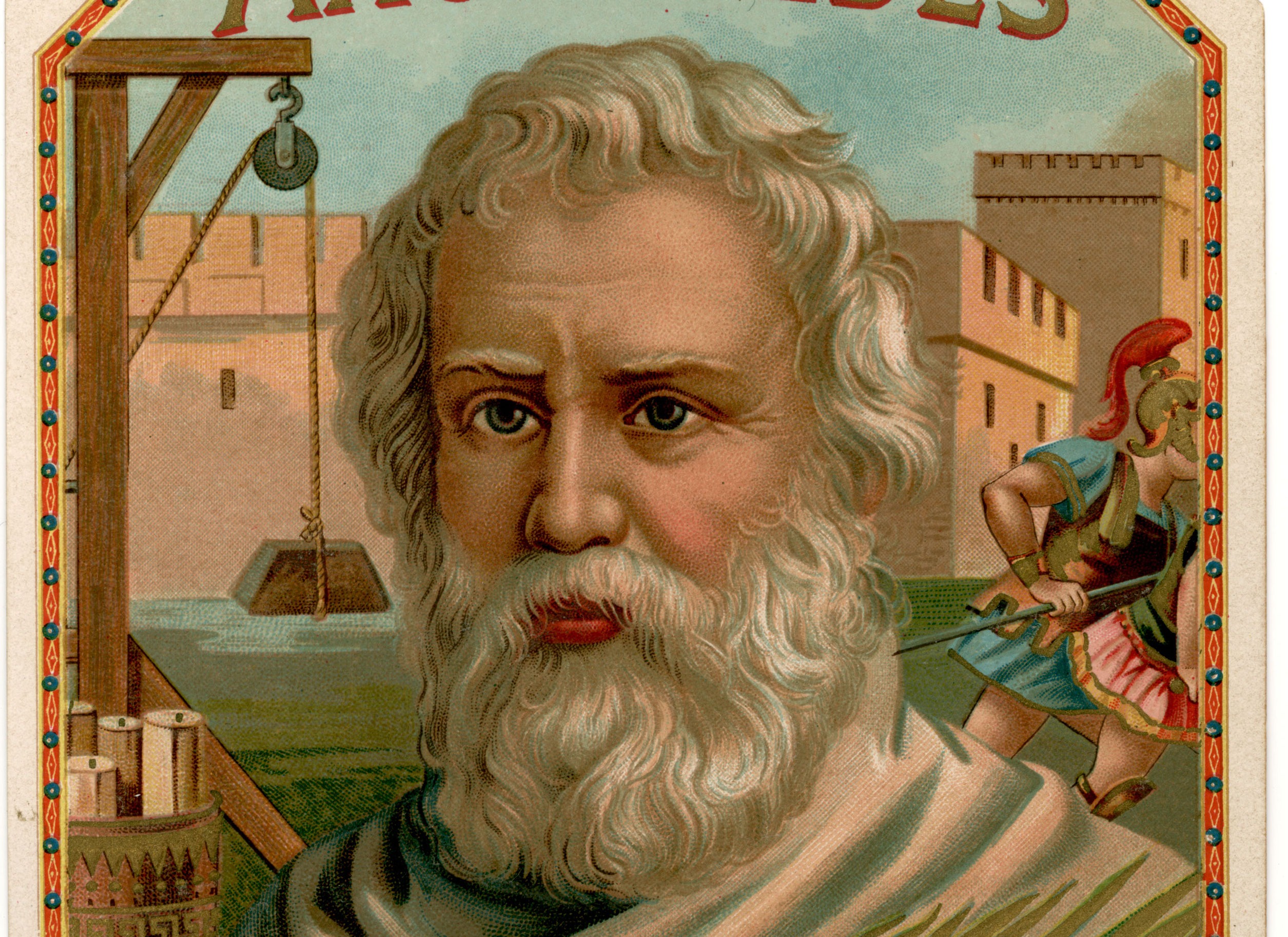
Archimedes, one of the most influential mathematicians, physicists, and inventors in history, remains a towering figure more than two millennia after his time. His contributions laid the foundation for principles in mathematics, geometry, and physics that are still relevant today. Let’s delve into the extraordinary life of this genius, exploring his origins, major achievements, and lasting legacy.
The Origins of a Legendary Figure
Although precise birth records are lacking, historians agree that Archimedes was born in Syracuse, a Greek city-state on the island of Sicily, around 287 BCE. This city, a hub of Greek culture and intellect, provided a fertile ground for Archimedes’ intellectual pursuits.
Archimedes’ academic journey included significant time in Alexandria, Egypt, where he met and studied with Conon of Samos, a renowned mathematician and astronomer. This period was pivotal, as it allowed Archimedes to forge lasting connections with other prominent scholars of his time.
There is some speculation among modern historians that Archimedes was related to King Hieron II of Syracuse. Whether or not this is true, it is clear that Archimedes was a trusted advisor and held in high regard by the monarch.
Notable Inventions of Archimedes
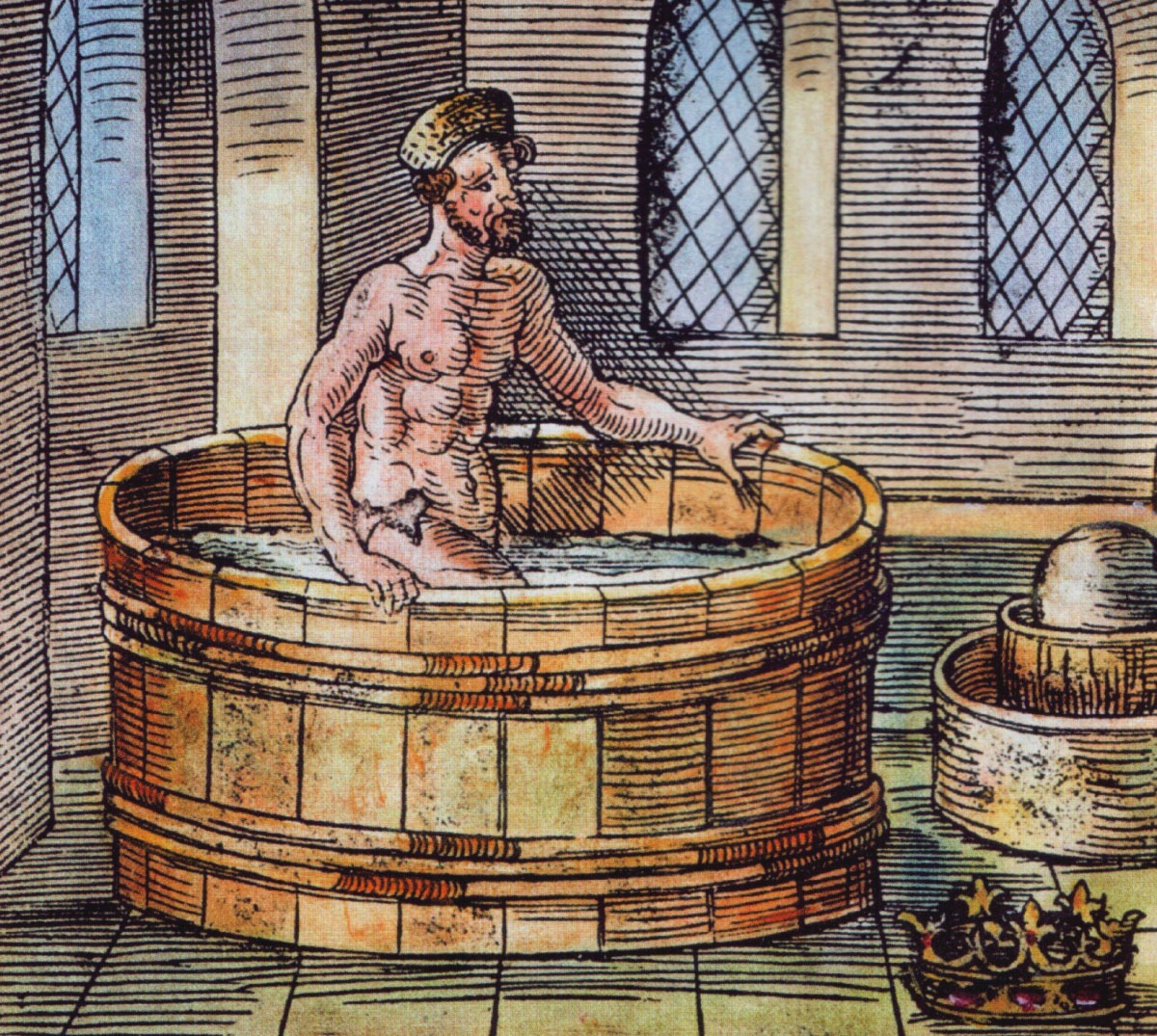
Archimedes is celebrated for numerous inventions and discoveries, many of which have become legendary. One of the most famous stories involves his work in hydrostatics. King Hieron II tasked him with determining whether a crown was made of pure gold or mixed with other metals. Archimedes discovered the principle of buoyancy while taking a bath, leading him to the solution. This moment of insight is famously associated with his exclamation, “Eureka!” meaning “I have found it!”
The Archimedes Principle states:
A body immersed in a fluid experiences a buoyant force equal to the weight of the fluid displaced by the body.
This principle has vast applications, from designing ships to understanding fluid mechanics.
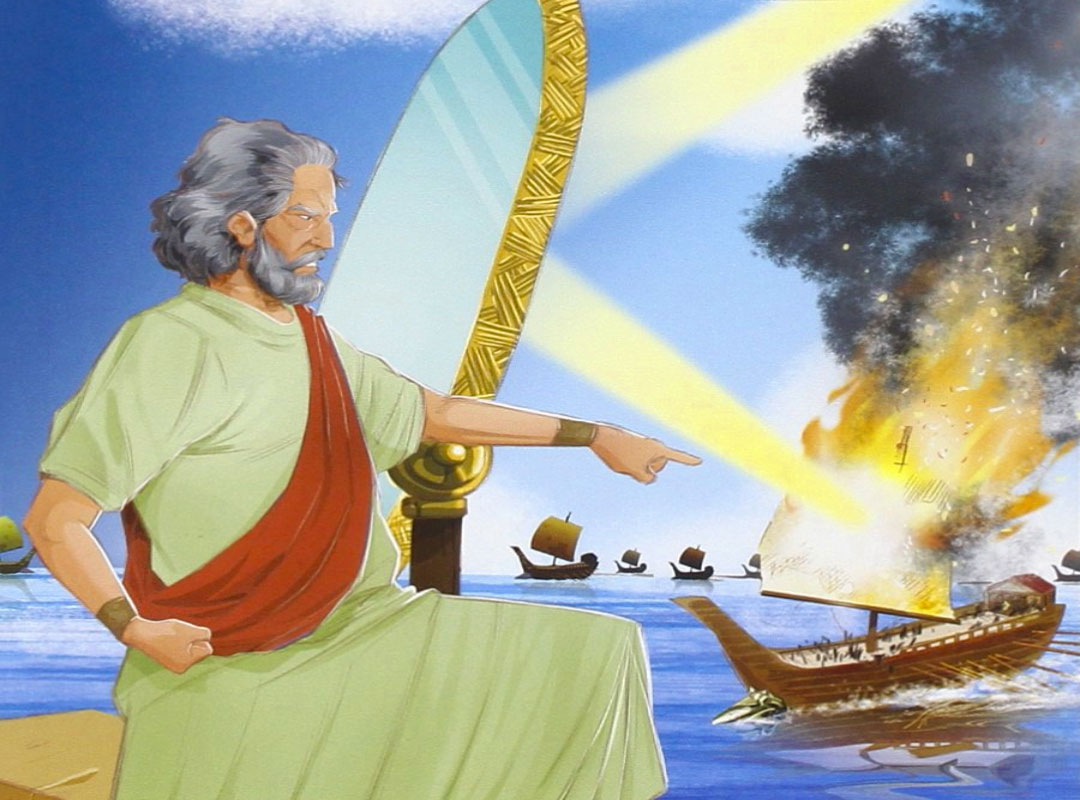
Another significant contribution was his involvement in the defense of Syracuse during the Second Punic War. Archimedes devised innovative military technologies, such as the burning mirrors. These mirrors focused sunlight onto enemy ships, allegedly setting them on fire. While the exact historical accuracy of the burning mirrors is debated, Archimedes’ ingenuity in warfare is well-documented.
Among his other inventions was the planetarium, a device that simulated the motions of celestial bodies. This sophisticated apparatus was taken to Rome after Syracuse was captured and showcased Archimedes’ profound understanding of astronomy and mechanics.
Additionally, Archimedes invented the Archimedean screw, a device for raising water, which is still used in some parts of the world for irrigation and drainage.
Legends and Death
Archimedes’ death is surrounded by legend. During the Roman siege of Syracuse in 212 BCE, Archimedes was killed despite orders from the Roman general Marcellus to spare his life. According to historical accounts, including those by Titus Livius and Plutarch, Marcellus deeply regretted the loss of such a great mind.
Today, visitors to Syracuse can see a man-made cave, believed to be the tomb of Archimedes. This site, though shrouded in myth, highlights the lasting impact of his legacy.
Archimedes’ Works and Legacy
Archimedes’ contributions span numerous fields. His work on the principle of the lever and geometric studies on spheres and cylinders are fundamental to modern science and engineering.
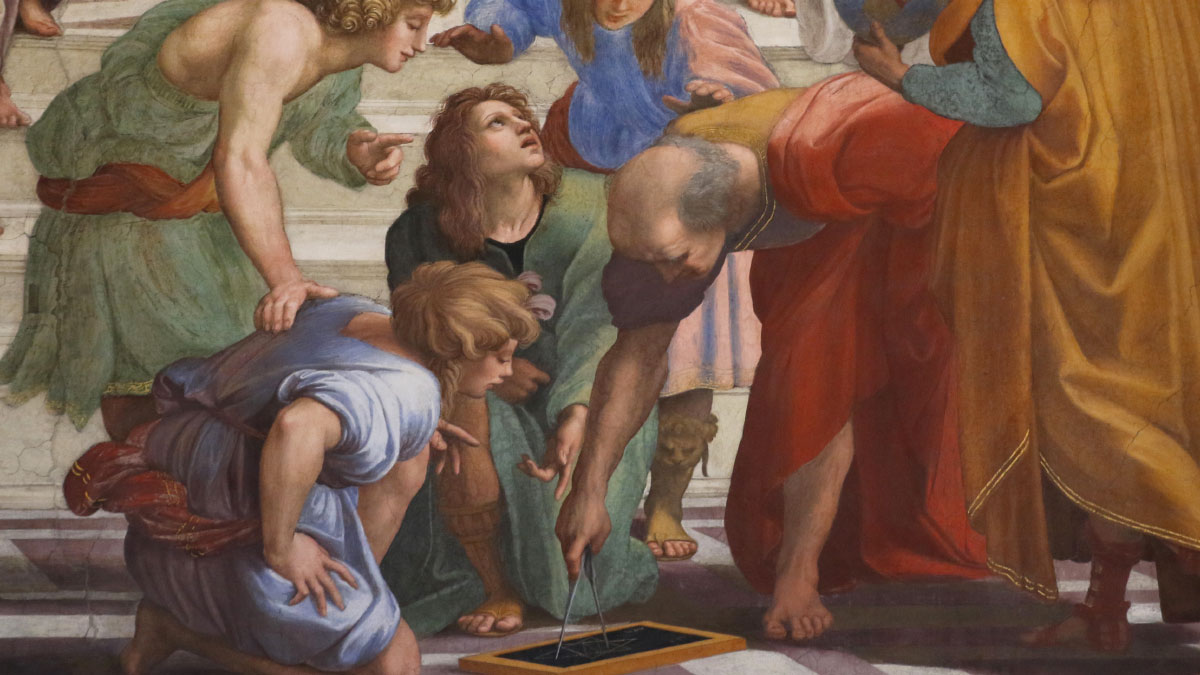
His role in history and science has remained central for over two thousand years. Archimedes has been celebrated in various fields, including art and literature. Raphael‘s fresco “The School of Athens” features Archimedes, or possibly Euclid, demonstrating geometric principles, highlighting his revered status among scholars.
In honor of Archimedes, a lunar crater has been named Asteroid 3600 Archimedes.
Conclusion
Archimedes’ life and work exemplify the profound impact of scientific inquiry and innovation. From his mathematical theorems to his ingenious inventions, Archimedes has left an indelible mark on history. His story is a testament to the power of curiosity and intellect, inspiring generations of scientists, engineers, and thinkers.
For further exploration into Archimedes’ life and contributions, visit the full biography on biografieonline.it.


