
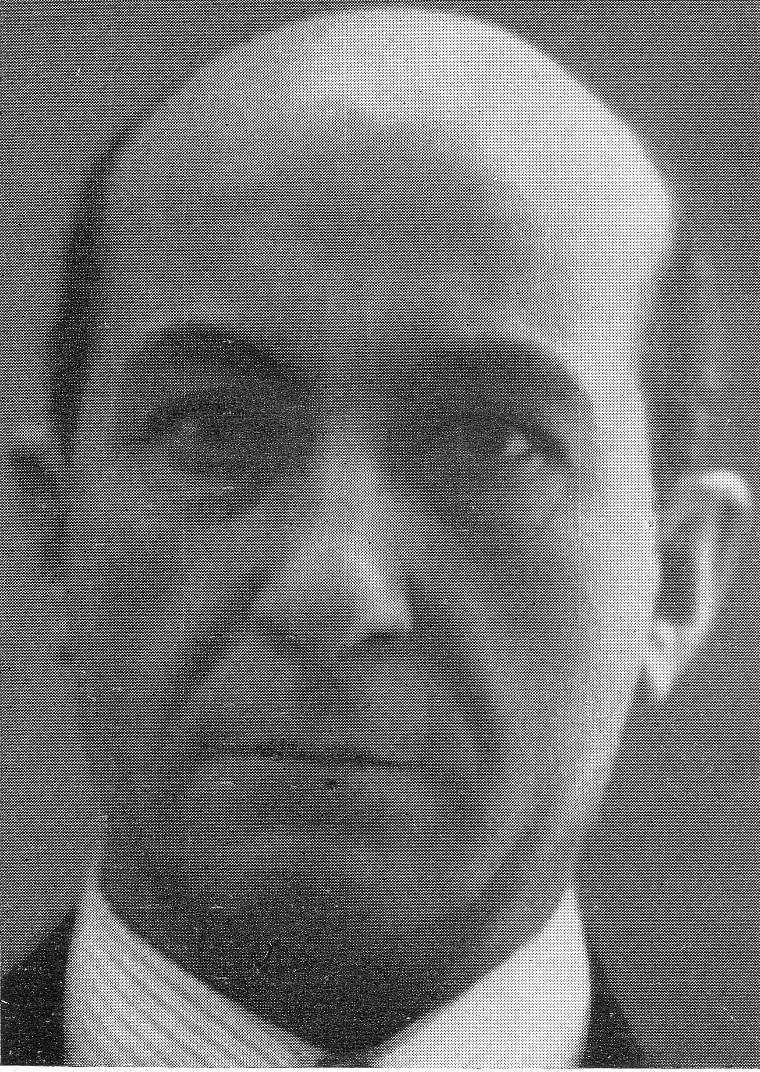
Ardengo Soffici (1879-1964) is a figure of considerable importance in the world of Italian literature and art. His life, marked by a series of significant transitions and contributions, offers a deep insight into the cultural and intellectual movements of the late 19th and early 20th centuries. This article delves into the life of Soffici, exploring his age, rise to fame, and the key highlights that defined his career.
Early Life and Struggles
Ardengo Soffici was born on April 7, 1879, in Rignano sull’Arno, a small town near Florence, Italy. His early life was shaped by the financial struggles of his family, particularly the bankruptcy of his father, which thrust them into poverty. This early hardship played a pivotal role in Soffici’s development, forcing him to abandon formal education and seek employment at a young age. He found work in a lawyer’s office, but his passion for the arts soon led him into the vibrant circles of Florence’s artistic community.
Artistic and Literary Beginnings
Soffici’s first foray into the world of art began with painting. He associated with a group of young artists at the Accademia delle Arti and the Scuola del Nudo in Florence, where he came under the influence of prominent figures such as Giovanni Fattori and Telemaco Signorini. Although his initial focus was on visual art, his curiosity and intellectual vigor led him to literature, where he eventually made his mark as a writer and critic.
The Parisian Influence
In 1899, Soffici moved to Paris, a city that was, at the time, the epicenter of modern art and literature. His years in Paris, from 1899 to 1907, were formative. He struggled financially, often living in near-poverty, but the city exposed him to the cutting-edge artistic movements and intellectual debates of the time. Soffici worked as an illustrator, a job that paid poorly but allowed him to meet and interact with some of the most influential figures in art and literature, including Guillaume Apollinaire, Pablo Picasso, and Max Jacob.
This period in Paris was crucial for Soffici, as it broadened his artistic horizons and deepened his understanding of contemporary cultural trends. His encounters with avant-garde artists and writers profoundly influenced his work, leading him to explore new forms of expression in both his painting and writing.
Return to Italy and the Futurist Movement
After eight years in Paris, Soffici returned to Italy, where he quickly became involved in the country’s burgeoning avant-garde scene. He initially joined the group around the literary magazine Leonardo, and later became a key figure in the Futurist movement. However, his relationship with Futurism was complex. While he initially criticized the movement, particularly its aggressive rhetoric and obsession with modernity, he eventually embraced many of its ideas, integrating them into his own work.
In 1913, Soffici co-founded the influential magazine Lacerba with his friend Giovanni Papini. The magazine became a platform for Futurist and Cubist ideas, as well as a venue for Soffici to publish his own work. Lacerba was known for its bold, sometimes controversial content, and it played a significant role in shaping the direction of Italian modernism.
Soffici’s Role in World War I
The outbreak of World War I marked a turning point in Soffici’s life. He volunteered for the Italian army and served on the front lines, an experience that deeply affected him. His wartime experiences were reflected in his writing, particularly in his war diaries and in the literary works he produced during and after the conflict.
Soffici emerged from the war as a staunch advocate for a return to order in art and culture. He became increasingly nationalistic in his outlook, championing classical Italian art and literature as models for contemporary creators. This shift in his thinking was part of a broader trend in post-war Europe, where many artists and intellectuals rejected the radicalism of the pre-war years in favor of a more conservative, traditional approach.
Post-War Career and Later Years
In the years following World War I, Soffici’s work reflected his commitment to a return to classical themes and forms. He continued to write and paint, producing a significant body of work that included poetry, essays, and critical studies of art and literature. His writing during this period was characterized by a focus on Italian cultural identity and a deep engagement with the artistic heritage of the Renaissance.
Soffici’s later years were marked by a growing disillusionment with the modern world. He became increasingly critical of contemporary culture, which he saw as shallow and disconnected from the deeper truths of human existence. This sense of alienation is evident in his later works, which often convey a sense of nostalgia for a lost world of beauty and order.
Legacy and Influence
Ardengo Soffici died on August 19, 1964, in Forte dei Marmi, a small coastal town in Tuscany. His death marked the end of a long and varied career that had a profound impact on Italian culture. Soffici was a central figure in the Italian avant-garde, and his work as a writer, painter, and critic helped to shape the direction of modern Italian art and literature.
Soffici’s legacy is complex and multifaceted. As an artist, he was a pioneer of modernist painting in Italy, and his work continues to be studied and appreciated by art historians and critics. As a writer, he was a key figure in the development of Italian modernism, and his essays and literary works remain important texts in the study of early 20th-century Italian culture.
Soffici’s influence extends beyond his own work. He was a mentor and collaborator to many younger artists and writers, and his ideas and insights helped to shape the intellectual landscape of his time. His commitment to exploring new forms of expression and his willingness to engage with the most challenging ideas of his era made him a leading figure in the cultural life of Italy in the first half of the 20th century.
Conclusion
Ardengo Soffici’s life and work offer a window into a critical period in Italian and European history. From his early struggles in Florence to his encounters with the avant-garde in Paris, and from his involvement in the Futurist movement to his later embrace of classical themes, Soffici’s career reflects the broader currents of change and continuity that defined the cultural landscape of his time. His legacy as an artist, writer, and critic remains influential, and his contributions to Italian culture continue to be celebrated and studied today.
Soffici’s life was marked by a relentless pursuit of artistic and intellectual excellence. Despite the many challenges he faced, he remained committed to his vision, and his work continues to resonate with audiences today. Whether through his paintings, his poetry, or his critical essays, Soffici’s voice remains a vital part of the ongoing conversation about the role of art and literature in shaping our understanding of the world.


