
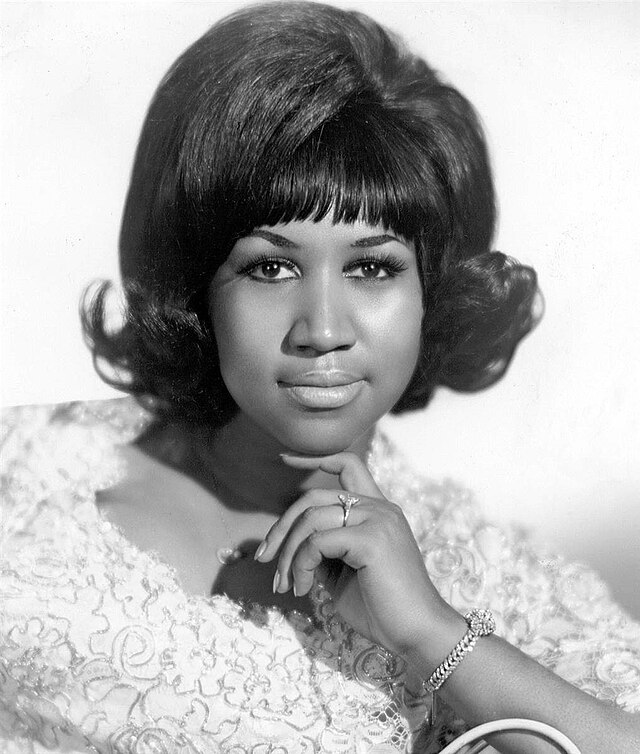
Aretha Franklin, often referred to as the “Queen of Soul,” was an American icon whose influence on music, culture, and civil rights was profound and lasting. Born on March 25, 1942, in Memphis, Tennessee, Aretha Louise Franklin’s life was marked by extraordinary achievements, as well as personal challenges, that shaped her into one of the most celebrated and influential artists of the 20th century. This article delves into her age, fame, and the significant life highlights that defined her legendary career.
Early Life and Background
Aretha Franklin was born into a deeply religious and musically inclined family. Her father, C.L. Franklin, was a renowned Baptist preacher whose influence extended across the United States. Raised in a household where music and faith were interwoven, Aretha’s early years were steeped in gospel music. Her father’s church in Detroit, where she moved with her sisters after her parents separated, became the crucible for her musical talents.
From a young age, Aretha’s vocal abilities were evident. She sang in the church choir and played the piano during religious services. These early experiences in the church provided her with the foundation and discipline that would later fuel her successful career. However, Aretha’s early life was also marked by challenges. By the age of 15, she was already a mother of two, a fact that underscored her early maturity and determination to succeed despite the obstacles she faced.
The Rise to Fame: 1960s and the Birth of the Queen of Soul
Aretha Franklin’s career began in earnest in the 1950s when she recorded her first tracks at the age of 14. These early recordings, though not commercially successful, showcased her burgeoning talent and her deep connection to gospel music. Influenced by artists such as Mahalia Jackson and Dinah Washington, Aretha’s early work reflected her gospel roots while also hinting at the versatility that would define her later career.
In 1960, at the age of 18, Aretha signed with Columbia Records, under the guidance of famed talent scout John Hammond. Despite her significant vocal talent, the label’s decision to focus on jazz music limited her potential. Although she achieved moderate success with songs like “Rock-a-bye Your Baby with a Dixie Melody,” it wasn’t until she transitioned to Atlantic Records in 1967 that Aretha truly found her voice.
At Atlantic, under the direction of producer Jerry Wexler, Aretha Franklin was allowed to embrace her gospel roots while also exploring the realms of soul, blues, and pop. This combination proved to be electric. Her rendition of Otis Redding’s “Respect” became an anthem, not only for the feminist movement but also for the broader civil rights movement in America. The song, with its powerful demand for dignity and equality, resonated deeply with African Americans and women alike, cementing Aretha’s status as the “Queen of Soul.”
During the late 1960s, Aretha dominated the charts with a series of hits that showcased her incredible vocal range and emotional depth. Songs like “(You Make Me Feel Like) A Natural Woman,” “Chain of Fools,” “Think,” and “Baby I Love You” became timeless classics. Her ability to convey profound emotion through her music made her a favorite among listeners, and her albums regularly achieved gold and platinum status.
Expanding Horizons: The 1970s and 1980s
As the 1970s dawned, Aretha Franklin’s career continued to flourish. Her versatility as an artist allowed her to explore various genres, including gospel, blues, pop, and even psychedelic rock. Her albums during this period, including the live recording “Amazing Grace,” which became one of the best-selling gospel albums of all time, further solidified her place in music history.
However, the rise of disco music in the late 1970s posed a challenge for Aretha, as the new genre dominated the music industry. While her popularity waned somewhat during this period, her talent remained undeniable. The early 1980s marked a resurgence in her career, largely due to her appearance in the cult classic film “The Blues Brothers” (1980), where she performed “Think.” The film introduced Aretha to a new generation of fans and revitalized her career.
In 1980, Aretha signed with Arista Records, which led to a series of successful collaborations with contemporary artists. Her duets with George Michael, particularly the 1987 hit “I Knew You Were Waiting (For Me),” brought her back to the top of the charts, proving that her appeal transcended generations.
The Later Years: Legacy and Recognition
The 1990s and 2000s were marked by continued success and recognition for Aretha Franklin. She was awarded numerous accolades, including multiple Grammy Awards, and she became the first woman to be inducted into the Rock and Roll Hall of Fame in 1987. Her influence extended beyond music, as she became a symbol of strength, resilience, and the ongoing struggle for civil rights.
One of the most memorable moments of Aretha’s later career was her performance at the 1998 Grammy Awards. When Luciano Pavarotti was unable to perform due to illness, Aretha stepped in at the last minute to perform “Nessun Dorma,” a challenging operatic aria, in its original key. Her performance received widespread acclaim and is still considered one of the greatest moments in Grammy history.
Aretha continued to record and perform well into the 2000s, collaborating with contemporary artists and contributing to the soundtrack of major events. Her performance at the inauguration of President Barack Obama in 2009, where she sang “My Country, ‘Tis of Thee,” was a poignant reminder of her enduring legacy and her connection to the civil rights movement.
Personal Challenges and Triumphs
While Aretha Franklin’s professional life was filled with success, her personal life was often tumultuous. She married twice, first to Ted White in 1961, who also became her manager. Their marriage was fraught with difficulties, and they divorced in 1969. Her second marriage, to actor Glynn Turman, ended in divorce as well.
Despite these challenges, Aretha remained a devoted mother to her four sons. Her resilience in the face of personal and professional challenges was a testament to her strength and determination. Her ability to channel her experiences into her music allowed her to connect with audiences on a deeply personal level.
In 2010, Aretha was diagnosed with pancreatic cancer. Despite her illness, she continued to perform and record, refusing to let her diagnosis define her. She formally retired from performing in 2017, and on August 16, 2018, Aretha Franklin passed away in Detroit at the age of 76.
Aretha Franklin’s Legacy
Aretha Franklin’s legacy is one of unparalleled influence and inspiration. She was not only a musical genius but also a cultural icon who used her platform to advocate for social change. Her music provided the soundtrack to pivotal moments in American history, from the civil rights movement to the feminist movement, and her voice became a symbol of empowerment and resilience.
Aretha’s impact on music is immeasurable. She inspired generations of artists across genres, from soul and R&B to pop and rock. Her ability to convey emotion through her voice, coupled with her technical skill, set a standard that few have been able to match. Songs like “Respect,” “Think,” and “A Natural Woman” remain as relevant today as they were when they were first recorded.
In recognition of her contributions to music and culture, Aretha Franklin received numerous honors throughout her life, including the Presidential Medal of Freedom in 2005. Her induction into the Rock and Roll Hall of Fame in 1987 was a historic moment, as she was the first woman to be inducted, paving the way for future generations of female artists.
Conclusion
Aretha Franklin’s life and career were a testament to the power of music to transcend barriers and bring people together. Her journey from a young girl singing in her father’s church to becoming the Queen of Soul is a story of talent, determination, and resilience. Her voice not only entertained but also inspired change, making her one of the most important figures in American music history.
As we remember Aretha Franklin, we celebrate not just her music but also her contributions to the broader cultural and social landscape. Her legacy continues to resonate, reminding us of the enduring power of her voice and the timeless relevance of her message.


