
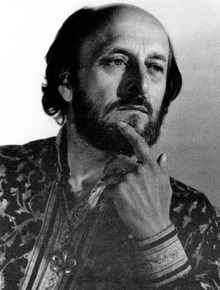
Art Clokey, a name that resonates deeply within the world of animation, was more than just a pioneer in the realm of claymation; he was a visionary who forever altered the landscape of stop-motion animation. His innovative techniques and unique storytelling have left an indelible mark on the animation industry. Born on October 12, 1921, in Detroit, Michigan, Arthur C. Farrington (later known as Art Clokey) would go on to create some of the most beloved characters in television history, including the iconic Gumby.
Early Life and Inspiration
Art Clokey’s journey to becoming a legendary animator was far from conventional. He was born as Arthur C. Farrington, but his life took a dramatic turn when his parents divorced when he was just nine years old. After his father, Charles Farrington, tragically passed away in a car accident, young Arthur moved to California with his mother. Unfortunately, his stepfather showed little interest in raising him, leading to Arthur being placed in an orphanage.
However, his life took a positive turn when he was adopted at the age of twelve by Joseph W. Clokey, a classical music composer and organist who taught music at Pomona College in Claremont, California. Joseph Clokey introduced Arthur to the world of art, teaching him painting, drawing, and even the basics of filmmaking. The father-son duo traveled together to Canada and Mexico, experiences that broadened Arthur’s horizons and fueled his creative passions.
It was during these formative years that Arthur encountered a mixture of clay and mud, referred to as “gumbo,” while visiting his grandfather’s farm during summer vacations. This seemingly insignificant childhood experience would later inspire the creation of one of the most iconic characters in animation history.
Educational Background and Military Service
Art Clokey’s early education was marked by his fascination with the natural world. He participated in fossil excavation expeditions, which sparked a deep interest in geology. This passion led him to study geology at Pomona College. However, his academic journey was interrupted in 1943 when he left college to join the armed forces during World War II.
After serving his country, Clokey returned to academia, earning a degree from the University of Miami in 1948. His education and diverse experiences laid the groundwork for his future career in animation, where he would combine his artistic talents with his scientific curiosity to create something truly unique.
The Birth of Gumby
The 1950s were a transformative period for Art Clokey. It was during this time that he began experimenting with clay animation, a technique that would define his career. His first significant work, “Gumbasia,” was a short film created in 1955 while studying at the University of Southern California. The title “Gumbasia” was a nod to Walt Disney’s “Fantasia,” reflecting Clokey’s admiration for the legendary animator and his groundbreaking work in animation.
“Gumbasia” was more than just a student project; it was the birth of a new era in animation. The film caught the attention of Samuel Engel, a film producer who recognized the potential of Clokey’s work. With Engel’s encouragement, Clokey developed the character of Gumby, inspired by the “gumbo” clay he had played with as a child. Gumby, along with his horse Pokey, would go on to become cultural icons, capturing the hearts of audiences across generations.
Gumby and Pop Culture
Gumby made his television debut on “The Howdy Doody Show” before starring in his own series, “The Adventures of Gumby.” The character’s unique design and whimsical adventures quickly made him a household name. Gumby’s flexibility and ability to change shape symbolized the limitless possibilities of imagination, making him a beloved figure among both children and adults.
Gumby’s popularity reached new heights in the 1980s when comedian Eddie Murphy parodied the character on “Saturday Night Live.” Murphy’s portrayal of Gumby, while humorous, reintroduced the character to a new generation, solidifying his place in pop culture. In the 1990s, “Gumby: The Movie” was released, further reigniting interest in the character and showcasing Clokey’s enduring influence on the world of animation.
Other Notable Works
While Gumby is undoubtedly Art Clokey’s most famous creation, it is not his only contribution to animation. Clokey also created “Davey and Goliath,” a stop-motion animated series funded by the Lutheran Church in America. The show, which featured a young boy named Davey and his talking dog Goliath, explored moral and religious themes, providing valuable lessons to its audience. “Davey and Goliath” was praised for its ability to convey important messages through engaging and relatable storytelling.
Legacy and Recognition
Art Clokey’s impact on animation cannot be overstated. His pioneering work in claymation paved the way for future animators and inspired countless artists to explore the possibilities of stop-motion animation. In recognition of his contributions to the field, Google honored Clokey with a special “Google Doodle” on October 12, 2011, celebrating what would have been his 90th birthday. The Doodle featured Gumby and his friends, a fitting tribute to the man who brought these beloved characters to life.
Clokey’s influence extends beyond his characters; his innovative techniques and dedication to his craft have left a lasting legacy in the world of animation. His work continues to inspire new generations of animators who build upon the foundations he laid.
Personal Life and Later Years
Art Clokey’s personal life was as eventful as his professional career. After serving in World War II, he returned to the United States, where he married Ruth Clokey. The couple collaborated on many of Clokey’s projects, including the creation of Gumby. However, their marriage eventually ended in divorce.
In his later years, Clokey remained dedicated to his craft, continuing to explore new ideas and push the boundaries of animation. He passed away in his sleep on January 8, 2010, at the age of 88, in his home in Los Osos, California. His death marked the end of an era, but his work continues to live on, enchanting audiences around the world.
Conclusion
Art Clokey’s life and work are a testament to the power of creativity and imagination. From his early experiments with clay to the creation of Gumby and beyond, Clokey’s contributions to animation have left an indelible mark on the industry. His characters have become cultural icons, and his innovative techniques have influenced countless animators.
As we look back on Art Clokey’s life, we see a man who was driven by a passion for storytelling and a desire to bring his ideas to life through the medium of animation. His legacy is one of creativity, innovation, and a deep love for the art of animation. Whether through Gumby, “Davey and Goliath,” or his other works, Art Clokey has earned his place in the pantheon of animation legends.


