
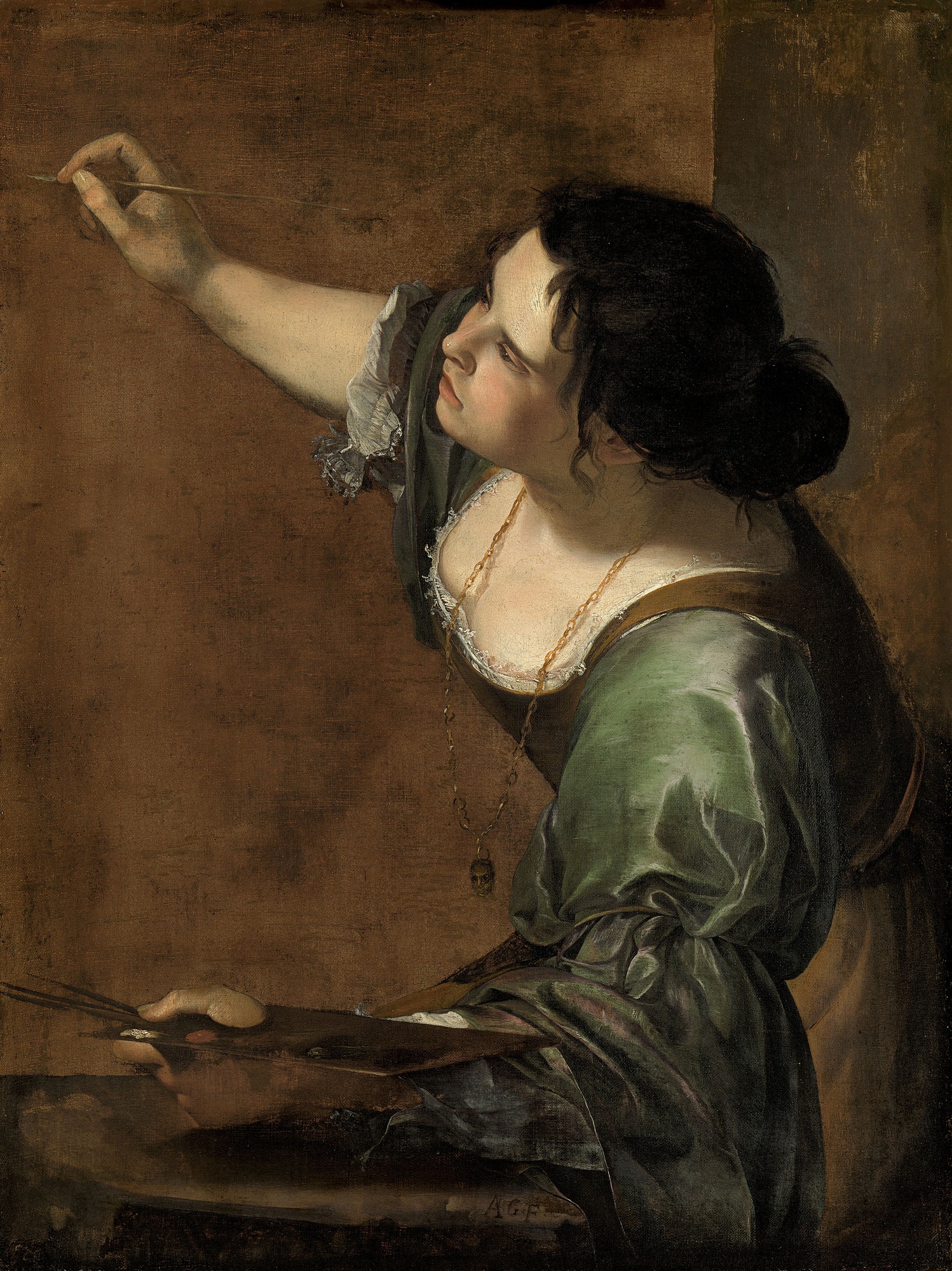
Artemisia Gentileschi is one of the most celebrated and historically significant female painters of the Baroque period. Born into a family of artists, she overcame tremendous personal adversity to become a trailblazer in a male-dominated field, leaving behind a legacy that resonates to this day. This article delves into the life, achievements, and enduring impact of Artemisia Gentileschi, exploring her age, rise to fame, and key life highlights.
Early Life and Artistic Beginnings
Artemisia Lomi Gentileschi was born on July 8, 1593, in Rome, Italy. She was the eldest of six children and the only daughter of Prudenza Montone and Orazio Gentileschi, a prominent painter known for his rigorous drawing techniques and mastery of the Caravaggesque style. Growing up in a household immersed in the arts, Artemisia was exposed to the world of painting from a very young age. Her father recognized her talent early on and provided her with the training that would lay the foundation for her future career.
Despite the cultural constraints of the time, which largely excluded women from professional artistic training, Artemisia was determined to pursue her passion. Denied entry to the all-male Accademia di San Luca in Rome, she honed her skills in her father’s workshop. Here, she learned to draw, mix pigments, and bring life to her canvases. The vibrant artistic environment of Rome, where her father’s circle included some of the most important artists of the day, such as Caravaggio, profoundly influenced her developing style.
Artemisia’s first major work, Susanna and the Elders (1610), was created when she was only seventeen. The painting, which depicts the biblical story of Susanna, who is harassed by two lecherous elders, is notable for its psychological realism and the intense emotions expressed by the figures. Many art historians believe that this work contains autobiographical elements, reflecting Artemisia’s own experiences with male dominance and exploitation.
The Trauma and Its Impact on Her Work
In 1611, Artemisia’s life was forever altered when she was sexually assaulted by Agostino Tassi, a painter and collaborator of her father. The assault, which occurred under the guise of professional mentorship, led to a highly publicized trial in 1612. During the trial, Artemisia was subjected to brutal interrogation and torture, a common practice in the legal system of the time, to ensure the veracity of her testimony. Despite the trauma she endured, Artemisia stood firm in her accusations, and Tassi was eventually convicted, though he served little time for his crime.
The trial had a profound impact on Artemisia’s personal and professional life. While her reputation suffered due to the scandal, it also fueled her resolve to succeed in a world that had sought to silence her. This period of her life is reflected in her powerful work, Judith Slaying Holofernes (1612-1613), which is often interpreted as a cathartic response to her trauma. The painting, with its dramatic chiaroscuro and unflinching portrayal of violence, showcases Artemisia’s mastery of the Caravaggesque style while also highlighting her unique ability to convey the inner strength of her female protagonists.
Rise to Fame and Recognition
Shortly after the trial, in 1612, Artemisia married Pierantonio Stiattesi, a minor artist from Florence, and relocated to Florence, where she would find a more supportive environment for her work. The move to Florence marked a turning point in Artemisia’s career. Here, she gained the patronage of the Medici family, particularly Grand Duke Cosimo II de’ Medici, which allowed her to establish herself as a leading artist of the time.
In Florence, Artemisia became the first woman to be admitted to the Accademia delle Arti del Disegno in 1616, a significant achievement that underscored her growing reputation as a serious artist. Her time in Florence was marked by prolific output and critical acclaim. She produced a series of works that displayed her exceptional skill in depicting strong, complex female figures, often drawn from biblical or mythological sources. Her paintings from this period, such as Judith and Her Maidservant and Self-Portrait as the Allegory of Painting, continue to be celebrated for their technical brilliance and emotional depth.
Artemisia’s success in Florence also brought her into contact with some of the most prominent intellectuals of the time, including Galileo Galilei, with whom she corresponded, and Michelangelo Buonarroti the Younger, the great-nephew of the famous Michelangelo, who commissioned her to contribute to a series of paintings in the Casa Buonarroti.
Artistic Evolution and Later Career
Despite her success in Florence, Artemisia’s marriage was troubled, and by 1621 she had returned to Rome. The city had changed since she left, with new artistic trends emerging, including the rise of Baroque exuberance and the influence of the Bolognese classicism. Artemisia adapted to these changes, continuing to produce works that were in high demand. However, the commissions she received in Rome were often limited to portraits and smaller religious scenes, reflecting the persistent gender biases that restricted her access to more prestigious projects, such as altarpieces and large-scale fresco cycles.
Artemisia’s quest for greater recognition and opportunity led her to Venice in the late 1620s, where she sought new patrons and commissions. Her time in Venice, although brief, was marked by an engagement with the rich color palette and dramatic compositions characteristic of Venetian painting. However, her most significant period during her later career began when she moved to Naples around 1630.
Naples, at the time, was a vibrant artistic center, attracting painters from across Europe. Artemisia quickly established herself in the city, receiving commissions for major works, including three paintings for the Cathedral of Pozzuoli. Her Neapolitan period is notable for the diversity of her output, which ranged from large-scale religious compositions to more intimate, emotionally charged works.
In 1638, Artemisia was invited to London by Charles I of England, an avid art collector and patron, to join her father Orazio, who was serving as a court painter. The father-daughter duo worked together on the decoration of the Queen’s House in Greenwich, and Artemisia continued to receive commissions independently after her father’s death in 1639. Her work in England contributed to the flourishing of the Baroque style in the English court, and she was well-regarded by her contemporaries for her exceptional skill and artistic vision.
Legacy and Historical Significance
Artemisia Gentileschi’s legacy is one of resilience, talent, and trailblazing achievement. As a female artist in a male-dominated world, she faced immense challenges, yet she persevered and created a body of work that has earned her a place among the great masters of the Baroque period. Her paintings are celebrated not only for their technical proficiency but also for their emotional intensity and the powerful depiction of women, often portrayed as strong, assertive, and self-possessed—a reflection of Artemisia herself.
In recent decades, Artemisia’s work has been re-evaluated, particularly through the lens of feminist art history. Her life story, marked by personal trauma and professional triumph, has inspired generations of artists and scholars. The rediscovery and reassessment of her oeuvre have placed her among the most important artists of her time, and her works are now housed in some of the world’s most prestigious museums, including the Uffizi Gallery in Florence, the National Gallery in London, and the Metropolitan Museum of Art in New York.
Artemisia’s influence extends beyond her paintings. She has become an icon of feminist resilience and empowerment, symbolizing the struggle for recognition and equality that many women in the arts continue to face. Her story has been the subject of numerous books, films, and exhibitions, further cementing her status as a cultural and historical figure of enduring relevance.
Conclusion
Artemisia Gentileschi’s life and career are a testament to the power of perseverance and the pursuit of excellence in the face of adversity. Born into a world that sought to limit her potential, she defied the conventions of her time to become one of the most accomplished painters of the Baroque era. Her work, characterized by its emotional depth, technical mastery, and innovative use of light and color, continues to captivate audiences and inspire new generations of artists.
As we reflect on Artemisia’s contributions to art and culture, it is essential to recognize her not just as a survivor of personal trauma but as a pioneering artist who broke barriers and set new standards in her field. Her legacy serves as a reminder of the importance of resilience, creativity, and the enduring impact of art on society.


