
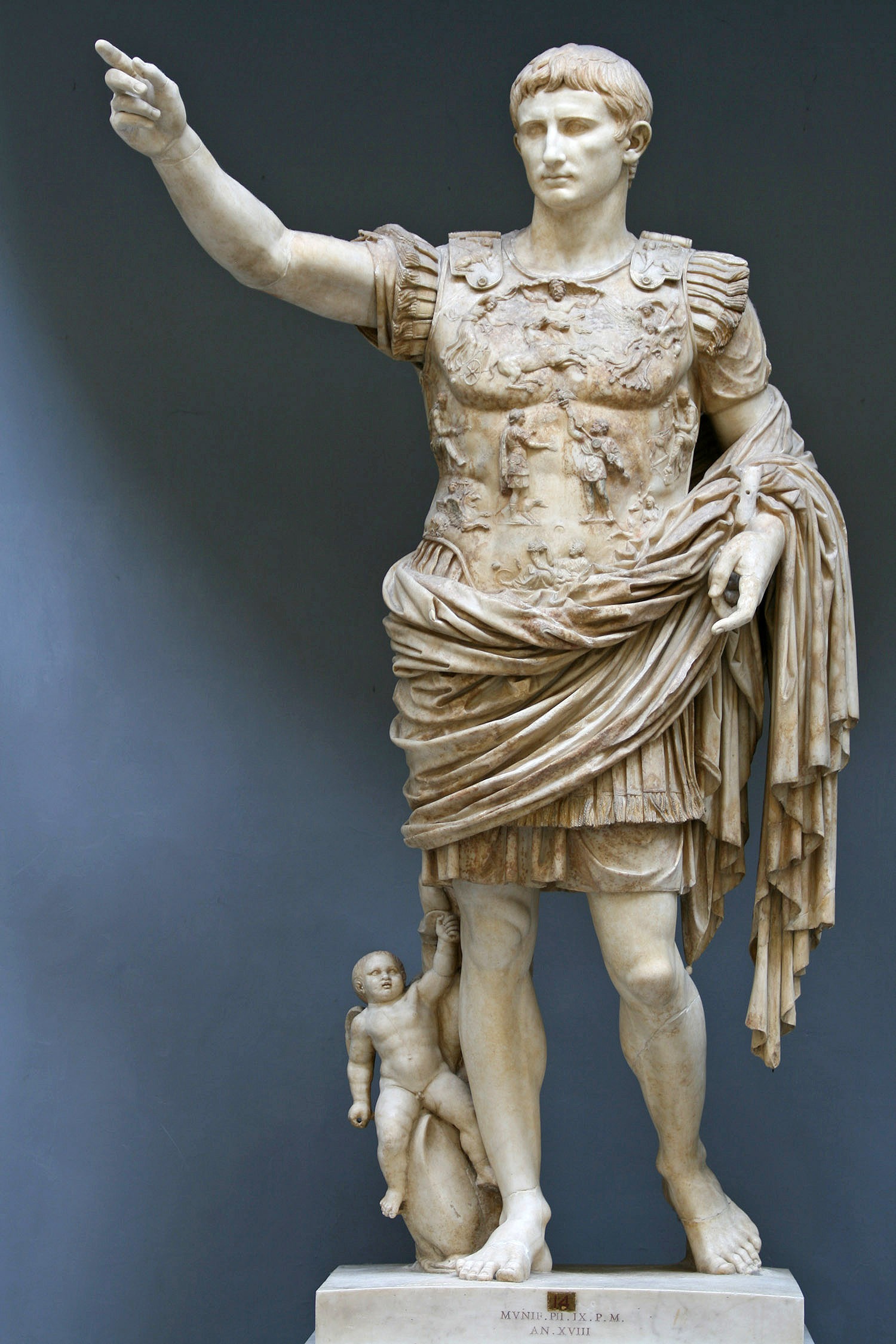
Augusto, also known as Gaius Julius Caesar Octavianus, was a pivotal figure in Roman history who established the Roman Empire’s foundations and secured his place as its first emperor. His life was marked by political maneuvering, military campaigns, and significant reforms that reshaped Rome and left a lasting legacy. In this comprehensive overview, we will explore Augusto’s age, rise to fame, and notable life highlights, providing detailed insights and historical context to understand his impact on the ancient world.
Early Life and Background
Born in 63 B.C. in Rome, Gaius Julius Caesar Octavianus, later known as Augustus, came from a prominent Roman family. His father, Gaius Octavius, was a Roman senator, and his mother, Atia, was the niece of Julius Caesar. This connection to Caesar would prove to be a defining factor in Augusto’s life and career. In 45 B.C., Julius Caesar, lacking a direct male heir, adopted Octavian as his son and heir. This adoption not only elevated Octavian’s status but also set the stage for his future endeavors.
At the age of 19, while still studying in Apollonia (modern-day Albania), Octavian received the shocking news of Julius Caesar’s assassination on March 15, 44 B.C. (the Ides of March). He immediately returned to Rome, driven by a desire to avenge Caesar’s death and claim his inheritance. His return marked the beginning of a journey that would see him rise from a young, relatively unknown figure to the most powerful man in Rome.
Rise to Power: The Formation of the Second Triumvirate
Upon returning to Rome, Octavian faced immediate challenges. The political landscape was highly volatile, with Julius Caesar’s assassins, including Brutus and Cassius, controlling much of the power. However, Octavian’s resolve and political acumen quickly became evident. His primary adversary, Mark Antony, a former ally of Caesar, refused to hand over Caesar’s legacy to Octavian. This refusal led to a series of confrontations that would shape the future of Rome.
In 43 B.C., to stabilize the situation and consolidate power, Octavian formed the Second Triumvirate with Mark Antony and Marcus Aemilius Lepidus. This political alliance was a strategic move to neutralize their mutual enemies and share control over the Roman territories. The Triumvirate was characterized by brutal proscriptions, where they eliminated their political opponents, seized property, and rewarded their supporters. This alliance, however, was inherently unstable and marked by power struggles and differing ambitions.
Military Triumphs and Consolidation of Power
The Triumvirate’s initial success culminated in the Battle of Philippi in 42 B.C., where the forces of Octavian and Antony defeated the armies of Caesar’s assassins, Brutus and Cassius. This victory solidified their control over Rome but also sowed seeds of discord between Octavian and Antony. Over the following years, their relationship deteriorated, leading to a series of conflicts that would ultimately culminate in the Battle of Actium in 31 B.C.
The Battle of Actium was a decisive naval confrontation where Octavian’s forces, commanded by his capable general Agrippa, defeated the combined fleets of Antony and Cleopatra, the queen of Egypt. This victory not only marked the end of the civil war but also established Octavian as the uncontested ruler of Rome. In 27 B.C., the Senate bestowed upon him the title “Augustus,” meaning “the revered one,” signifying the beginning of the Roman Empire and the end of the Roman Republic.
The Augustan Reforms: Shaping the Roman Empire
As the first Roman emperor, Augustus undertook a series of reforms that would lay the groundwork for the Roman Empire’s long-term stability and prosperity. Recognizing the need for a strong, centralized authority, he reformed the political system, reducing the power of the Senate while maintaining its ceremonial functions. This allowed him to retain absolute control while giving the appearance of a restored Republic.
Augustus also focused on military reforms. He reduced the number of legions from around 50 to a more manageable 28, later further reduced to 18. This restructuring not only cut military expenses but also ensured that the legions were loyal to him rather than to their individual commanders. Moreover, he established a permanent standing army with soldiers who were professionally trained and well-compensated, ensuring their loyalty to the emperor.
In addition to political and military reforms, Augustus embarked on an ambitious program of public works. He famously boasted that he found Rome a city of bricks and left it a city of marble. This transformation included building temples, forums, and other public spaces, enhancing Rome’s grandeur and reflecting the power and stability of his rule. Augustus also implemented social reforms to promote traditional Roman values, including laws aimed at encouraging marriage and childbirth among the Roman elite.
Augustus’ Economic and Administrative Innovations
Augustus’ economic policies were designed to stabilize the Roman economy, which had been destabilized by years of civil war. He reformed the taxation system, making it more efficient and less prone to corruption. By ensuring a steady flow of revenue to the state, Augustus could fund his extensive building projects, support the military, and provide for the needs of the Roman populace.
One of Augustus’ significant administrative achievements was the establishment of a professional bureaucracy. He created new administrative divisions, including colonies, provinces, and prefectures, which were governed by officials loyal to him. These reforms helped consolidate Roman rule over its vast territories, ensuring efficient governance and the spread of Roman culture and law.
The reorganization of the provinces also involved extensive infrastructure development. Augustus built roads, ports, and other facilities to facilitate trade and military movement. He recognized that a well-connected empire was essential for maintaining control and fostering economic growth. His policies promoted Romanization in the provinces, integrating diverse peoples into the Roman system and spreading Roman culture, language, and law across the empire.
Challenges and Legacy
While Augustus’ reign is often characterized as a time of peace and prosperity, known as the Pax Romana, it was not without its challenges. Several military campaigns were necessary to secure the empire’s borders, particularly in regions such as Hispania (modern-day Spain and Portugal) and Germania. The defeat in the Battle of the Teutoburg Forest in 9 A.D., where three Roman legions were annihilated by Germanic tribes, was a significant setback and marked the end of Roman expansion into Germania.
Augustus’ personal life also had its share of difficulties. His marriage to Livia Drusilla, while politically advantageous, was childless. He had to rely on his stepsons and his grandsons from his daughter Julia to carry on his legacy. His choice of successor, Tiberius, was met with some resistance and marked the beginning of a new era of imperial rule that would eventually lead to the decline of the Julio-Claudian dynasty.
Despite these challenges, Augustus’ impact on Rome and its empire was profound. He established a framework for governance that would last for centuries, balancing autocratic rule with the preservation of traditional Roman institutions. His reign marked the transition from a Republic fraught with internal strife to a more stable imperial system, setting the stage for the Roman Empire’s golden age.
Conclusion: Augustus’ Enduring Influence
Augustus died on August 19, 14 A.D., at the age of 77, leaving behind a legacy that would influence Rome for generations. His policies and reforms not only secured his position as the first emperor of Rome but also laid the foundations for the Roman Empire’s success and longevity. By navigating the complexities of Roman politics, conducting successful military campaigns, and implementing far-reaching reforms, Augustus transformed Rome and left an indelible mark on history.
In understanding Augustus’ life and achievements, we see the embodiment of Rome’s transition from a Republic to an Empire. His story is one of ambition, strategy, and vision, reflecting the timeless qualities of leadership that continue to be studied and admired today.


