
Introduction
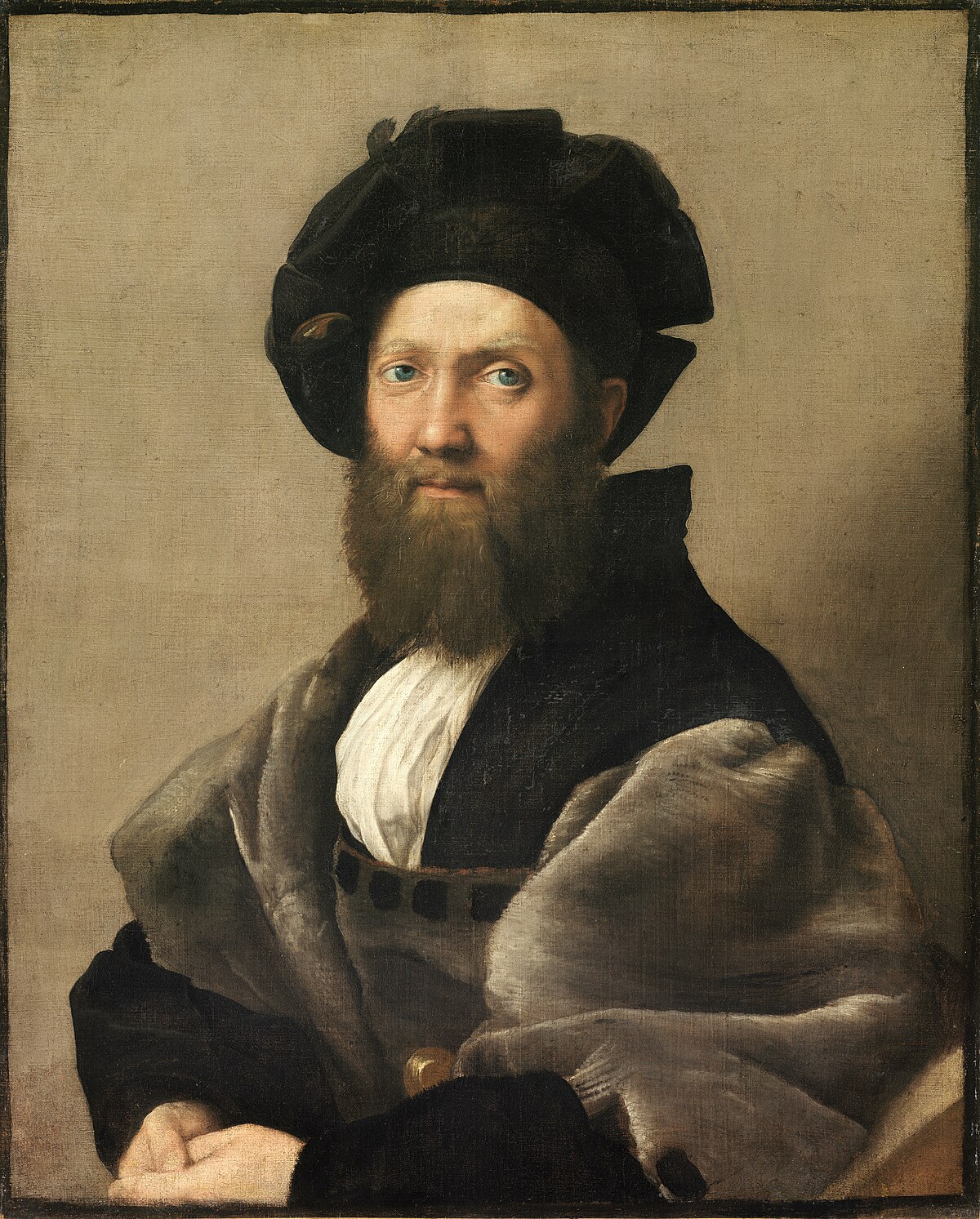
Baldassarre Castiglione, an Italian diplomat and writer, is celebrated for his significant contributions to Renaissance literature and political thought. Born into a noble family, Castiglione’s life and work reflect the complexities of Renaissance Italy and his influential role in shaping its intellectual landscape. This comprehensive exploration delves into his age, fame, and notable life highlights, offering insights into his enduring legacy.
Early Life and Background
Baldassarre Castiglione was born on December 6, 1478, in Casatico, a small village in the Duchy of Mantua, Italy. The son of a noble family, Castiglione received a privileged education, which laid the foundation for his future career in diplomacy and literature. His early education was marked by a strong emphasis on classical studies, including Latin and Greek, which profoundly influenced his literary and intellectual development.
Castiglione’s upbringing in a noble family exposed him to the world of politics and diplomacy from a young age. His father, Count Guido Castiglione, was a prominent figure in Mantua, and his family’s connections provided him with opportunities to engage in the broader political and cultural spheres of the time.
Education and Early Career
Castiglione’s education was extensive and eclectic, encompassing a wide range of subjects, from classical literature to contemporary political theory. His intellectual pursuits were complemented by his involvement in the courtly life of Mantua, where he served as a page and later as a courtier. These experiences provided him with valuable insights into the complexities of court politics and diplomacy.
In the early 1500s, Castiglione embarked on a career in diplomacy, representing the Duchy of Mantua in various European courts. His diplomatic work exposed him to the political intricacies of Renaissance Italy and Europe, enriching his understanding of the political and social dynamics of his time.
The Renaissance Courtier
Baldassarre Castiglione is best known for his seminal work, The Book of the Courtier (Il Cortegiano), published in 1528. This influential text offers a detailed exploration of the ideal courtier and the virtues required for success in the courtly environment of Renaissance Italy. Written in the form of a dialogue set at the court of Urbino, the book reflects Castiglione’s deep understanding of courtly life and his insights into the art of diplomacy and social etiquette.
The Book of the Courtier is divided into four books, each discussing different aspects of the ideal courtier, including their manners, appearance, and intellectual and moral qualities. The work provides a detailed portrayal of the Renaissance courtly ideal, emphasizing the importance of grace, wit, and versatility. It remains a cornerstone of Renaissance literature and is studied for its insights into the social and political dynamics of the period.
Influence and Legacy
Castiglione’s The Book of the Courtier had a profound impact on Renaissance literature and political thought. The text was widely read and translated into several languages, influencing not only contemporary readers but also future generations of scholars and diplomats. Its exploration of courtly life and the virtues of the ideal courtier provided valuable insights into the social and political norms of Renaissance Italy.
The work’s influence extended beyond literature to the realm of political theory. Castiglione’s portrayal of the ideal courtier as a skilled diplomat and social adept reflected the evolving role of diplomacy in European politics. His ideas on the art of courtly behavior and diplomacy were adopted by many European courts and became a standard reference for aspiring courtiers and diplomats.
Diplomatic Career and Achievements
In addition to his literary contributions, Baldassarre Castiglione had a distinguished career as a diplomat. He served as an ambassador for the Duchy of Mantua and was involved in various diplomatic missions throughout Europe. His work as a diplomat provided him with a deep understanding of international relations and the complexities of Renaissance politics.
Castiglione’s diplomatic career was marked by his efforts to navigate the intricate alliances and conflicts of the time. His experience in diplomacy informed his writing and contributed to the depth and realism of his portrayal of courtly life in The Book of the Courtier. His ability to manage delicate negotiations and maintain diplomatic relationships underscored his skills as both a writer and a diplomat.
Later Life and Death
In his later years, Baldassarre Castiglione continued to be active in both literary and diplomatic circles. He remained a prominent figure at the court of Urbino, where he was respected for his contributions to literature and his diplomatic expertise. Despite his successes, Castiglione faced personal challenges and political difficulties, including conflicts with other courtly factions and the pressures of his diplomatic responsibilities.
Castiglione’s health declined in the early 1520s, and he spent his final years in relative obscurity. He died on February 2, 1529, in Toledo, Spain, where he had been serving as a papal nuncio. His death marked the end of a distinguished career that had left a lasting impact on Renaissance literature and diplomacy.
Posthumous Recognition
Baldassarre Castiglione’s legacy has been celebrated in the centuries since his death. The Book of the Courtier continues to be studied and admired for its insights into Renaissance courtly life and its contributions to political theory. Castiglione’s work remains a valuable resource for scholars and readers interested in the cultural and political dynamics of the Renaissance.
In addition to his literary achievements, Castiglione’s contributions to diplomacy and his role in shaping the political landscape of Renaissance Italy have been recognized and celebrated. His impact on European diplomacy and his influence on the art of courtly behavior have ensured his place as a significant figure in both literary and political history.
Conclusion
Baldassarre Castiglione’s life and work offer a fascinating glimpse into the world of Renaissance Italy and its cultural and political complexities. His contributions to literature, particularly through The Book of the Courtier, have left an enduring legacy that continues to influence readers and scholars today. Castiglione’s career as a diplomat and his role in shaping Renaissance courtly life further highlight his importance as a figure in European history.
As a writer and diplomat, Castiglione’s achievements reflect the richness of Renaissance culture and the evolving role of diplomacy in international relations. His legacy serves as a testament to the enduring impact of Renaissance thought and the lasting influence of his work on literature and diplomacy.
SEO Keywords and Optimization
To ensure the article is optimized for search engines, include keywords such as “Baldassarre Castiglione biography,” “Baldassarre Castiglione Book of the Courtier,” “Castiglione Renaissance literature,” and “Castiglione diplomatic career.” Maintain a keyword density of around 1-2% and ensure that the content is informative, engaging, and relevant to the target audience.
Incorporate internal and external links to relevant sources and related articles to enhance the article’s visibility and authority.
Sources
- Biografie Online: Baldassarre Castiglione
- Historical records, literary databases, and Renaissance studies resources
Feel free to adjust the content to better fit specific SEO strategies or additional details you may want to include!


