
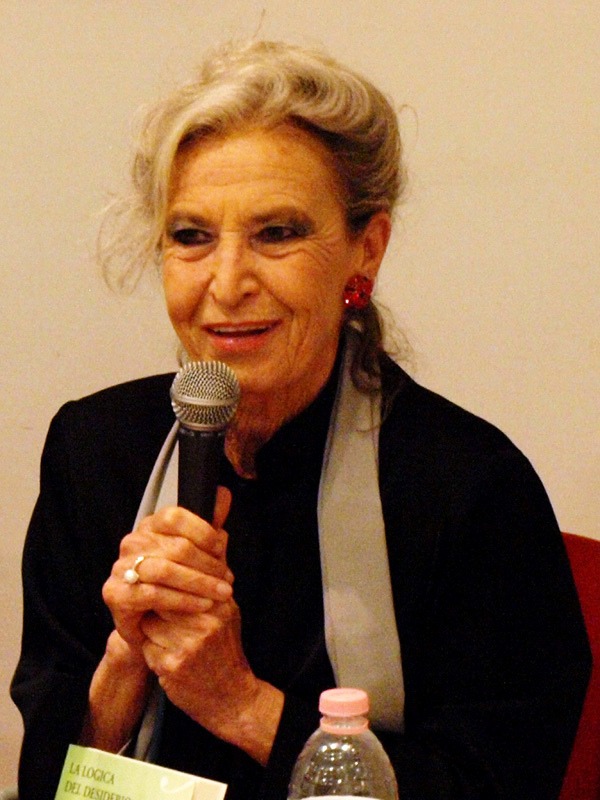
Barbara Alberti is a multifaceted Italian writer, screenwriter, and journalist whose career spans several decades. Renowned for her sharp intellect and insightful commentary, Alberti has made significant contributions to literature, film, and journalism. This article delves into the life of Barbara Alberti, exploring her age, rise to fame, and notable life highlights, while providing detailed insights into her career and personal achievements.
Early Life and Education
Barbara Alberti was born on April 11, 1943, in Umbertide, a small town in the province of Perugia, Italy. From a young age, she demonstrated a passion for literature and the arts. Her upbringing in a culturally rich environment fostered her intellectual curiosity and laid the foundation for her future career.
Alberti pursued her education in Rome, where she studied philosophy at the University of Rome La Sapienza. Her academic background in philosophy profoundly influenced her writing style and thematic choices, often reflecting deep introspection and critical analysis of societal norms and human behavior.
Rise to Fame
Barbara Alberti’s rise to fame began with her foray into the literary world. In 1968, she published her first novel, “Memorie malvage” (Evil Memories), which was well-received and marked the beginning of her prolific writing career. Her unique voice, characterized by a blend of wit, irony, and incisive social commentary, quickly garnered attention and established her as a formidable literary talent.
Throughout the 1970s and 1980s, Alberti continued to publish novels, essays, and short stories, each work further cementing her reputation as a sharp and insightful writer. Her ability to tackle complex themes with humor and nuance resonated with readers, making her a prominent figure in Italian literature.
Literary Contributions
Barbara Alberti’s literary contributions are vast and varied, encompassing novels, essays, and screenplays. Her works often explore themes of love, power, and identity, delving into the intricacies of human relationships and societal structures. Some of her most notable novels include “Il ritorno dei mariti” (The Return of Husbands), “Vangelo secondo Maria” (Gospel According to Mary), and “Il signore è servito” (The Lord is Served).
In “Vangelo secondo Maria,” Alberti presents a reimagining of the story of Jesus from the perspective of Mary Magdalene, challenging traditional narratives and offering a fresh, feminist interpretation. This novel exemplifies her ability to blend historical and religious themes with contemporary feminist thought, creating works that are both thought-provoking and relevant.
Alberti’s essays are equally impactful, often addressing social and political issues with her trademark wit and critical eye. Her collection “Delirio” (Delirium) is a notable example, featuring essays that tackle topics ranging from gender politics to cultural critiques.
Screenwriting and Film
In addition to her literary achievements, Barbara Alberti has made significant contributions to the film industry as a screenwriter. Her work in cinema is marked by collaborations with some of Italy’s most renowned directors, bringing her sharp narrative style to the big screen. One of her most notable contributions is the screenplay for the 1973 film “Io sono mia” (I Am Mine), directed by Sofia Scandurra. This film, which explores themes of female autonomy and identity, reflects Alberti’s ongoing commitment to feminist issues and her ability to convey complex narratives through film.
Alberti’s screenplay for “Il portiere di notte” (The Night Porter), directed by Liliana Cavani in 1974, further solidified her reputation in the film industry. The film, which delves into the psychological aftermath of the Holocaust, showcases Alberti’s talent for crafting deeply emotional and intellectually challenging stories. Her ability to tackle such difficult subject matter with sensitivity and depth has earned her acclaim in the world of cinema.
Journalism and Media Presence
Barbara Alberti is also a prominent journalist, known for her incisive columns and articles in various Italian newspapers and magazines. Her work in journalism is characterized by her fearless approach to tackling controversial topics and her ability to engage readers with her insightful analysis and commentary.
Alberti has contributed to publications such as “Il Fatto Quotidiano,” “La Repubblica,” and “L’Espresso,” where her columns often address social, political, and cultural issues. Her writing is marked by a keen sense of observation and a willingness to challenge the status quo, making her a respected voice in Italian media.
In addition to her written work, Alberti has a notable presence on television and radio. She has participated in various talk shows and cultural programs, where her sharp wit and intellectual prowess have made her a popular and influential figure. Her ability to articulate complex ideas in an accessible and engaging manner has endeared her to a wide audience, further expanding her influence and reach.
Feminist Advocacy
Barbara Alberti’s work is deeply rooted in feminist thought and advocacy. Throughout her career, she has consistently championed women’s rights and sought to challenge and dismantle patriarchal structures through her writing and public engagements. Her novels, essays, and screenplays often center on themes of female empowerment, autonomy, and resistance, reflecting her commitment to advancing gender equality.
In “Vangelo secondo Maria,” Alberti’s feminist reinterpretation of biblical narratives challenges traditional gender roles and offers a powerful critique of the marginalization of women in religious and historical contexts. Her portrayal of strong, independent female characters in her novels and screenplays further underscores her dedication to feminist principles.
Alberti’s advocacy extends beyond her written work. She has been an active participant in various feminist movements and organizations, using her platform to amplify the voices of marginalized women and to promote social change. Her contributions to feminist discourse have had a lasting impact, inspiring new generations of writers and activists.
Personal Life and Legacy
Barbara Alberti’s personal life is as dynamic and multifaceted as her professional career. She has been married twice, first to Amedeo Pagani, a film producer and director, and later to sculptor and painter Massimo Marcucci. Alberti has two children, and her family life has been a source of inspiration and support throughout her career.
Despite the challenges and controversies she has faced, Alberti remains a resilient and influential figure. Her ability to navigate the complexities of the literary and film industries, while maintaining her commitment to social and political advocacy, is a testament to her strength and determination.
Barbara Alberti’s legacy is one of intellectual rigor, creative brilliance, and unwavering commitment to social justice. Her contributions to literature, film, and journalism have left an indelible mark on Italian culture, and her influence continues to be felt across multiple generations of writers, artists, and thinkers.
Awards and Honors
Throughout her illustrious career, Barbara Alberti has received numerous awards and honors in recognition of her contributions to literature and the arts. She has been awarded prestigious literary prizes, including the Premio Viareggio and the Premio Campiello, which celebrate her achievements and her impact on Italian culture.
In 2018, Alberti received the lifetime achievement award at the Taormina Film Fest, acknowledging her significant contributions to the film industry as a screenwriter. This honor highlights the breadth of her influence and her enduring legacy in the world of cinema.
Influence on Italian Culture
Barbara Alberti’s influence on Italian culture is profound and far-reaching. Her work has shaped the literary and cinematic landscapes, challenging traditional narratives and offering new perspectives on contemporary issues. Her fearless approach to storytelling and her commitment to feminist advocacy have inspired countless readers and viewers, making her a pivotal figure in the cultural discourse of her time.
Alberti’s novels, essays, and screenplays continue to be studied and celebrated, reflecting her enduring impact on Italian literature and film. Her ability to blend humor, irony, and critical analysis has set her apart as a unique and powerful voice, and her contributions to feminist thought have left a lasting legacy in the fight for gender equality.
Final Reflections
Barbara Alberti’s life and career are a testament to the power of intellect, creativity, and resilience. From her early days in Umbertide to her rise to fame as a writer, screenwriter, and journalist, Alberti has consistently pushed the boundaries of what is possible in the realms of literature and film. Her work continues to resonate with audiences, offering insightful commentary on the human condition and challenging societal norms.
As we reflect on her achievements, it is clear that Barbara Alberti’s legacy will endure for generations to come. Her contributions to Italian culture, her advocacy for women’s rights, and her unwavering commitment to intellectual and creative excellence make her a truly remarkable figure in the world of literature and the arts.


