
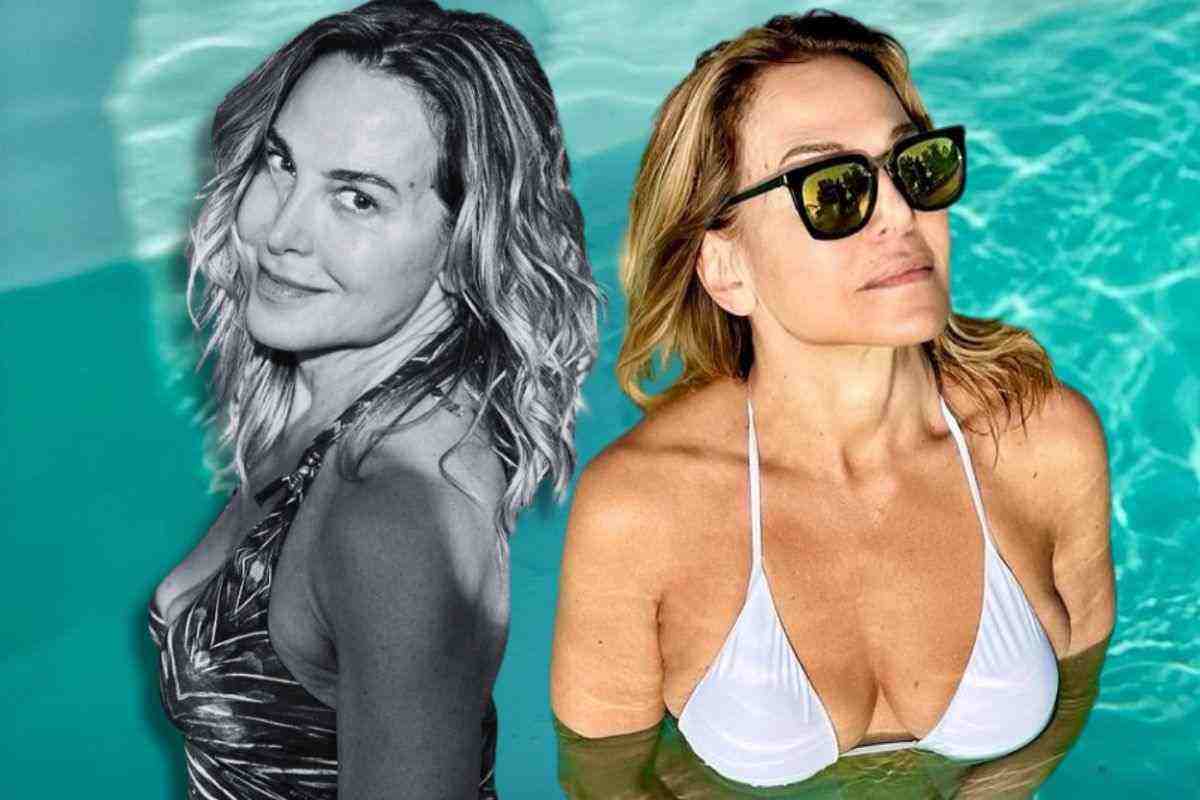
Barbara d’Urso, born Maria Carmela d’Urso on May 7, 1957, in Naples, Italy, is one of the most recognizable and influential figures in Italian television. With a career spanning over four decades, she has made her mark as a television host, actress, and media personality. Known for her charismatic presence, Barbara d’Urso has become a household name in Italy, particularly through her work on reality TV and talk shows. This article provides a comprehensive look at her life, rise to fame, and the key moments that have defined her career.
Early Life and Career Beginnings
Barbara d’Urso was born in the heart of Naples, a city known for its vibrant culture and passionate people. She grew up in a traditional Italian family, but her aspirations were anything but conventional. From a young age, Barbara showed a keen interest in the entertainment industry, a passion that would shape her future.
At just 20 years old, Barbara made her television debut on TeleMilano, the precursor to Canale 5, one of Italy’s most popular TV channels. She co-hosted the show “Goal,” a daily sports program, alongside notable figures like Diego Abatantuono, Teo Teocoli, and Massimo Boldi. This early exposure to television helped Barbara hone her skills in front of the camera and introduced her to the world of Italian entertainment.
In 1979, Barbara landed her first major hosting gig on Raidue, one of the main channels of Italy’s public broadcaster, RAI. She hosted “Che combinazione,” a program that showcased her ability to engage with audiences and handle live television with ease. Her talent did not go unnoticed, and in 1980, she was selected by the legendary Pippo Baudo to co-host “Domenica In,” one of Italy’s most popular Sunday variety shows. This opportunity significantly boosted her profile and established her as a rising star in Italian television.
Transition to Acting and Early Successes
Barbara d’Urso’s versatility soon led her to explore acting. In 1980, she made her acting debut in the television drama “La casa rossa,” directed by Luigi Perelli, where she starred alongside the iconic Alida Valli. This was followed by her role in “Delitto in via Teulada,” a series that further showcased her acting chops.
Her early acting career was marked by a string of roles in both television and film. She appeared in the 1983 TV drama “Skipper,” and soon after, she starred in the French production “Le Paria” alongside Charles Aznavour. These roles demonstrated Barbara’s ability to transition smoothly between different genres and formats, from live television hosting to scripted drama.
In 1984, Barbara made her big-screen debut in the film “Erba Selvatica,” directed by Franco Campigotto. She continued to expand her filmography with roles in “Blues metropolitano” (1986) and “Vogliamoci troppo bene” (1990), a film directed by Francesco Salvi. By the mid-1990s, Barbara d’Urso had established herself as a versatile performer, equally comfortable on stage, television, and in film.
Iconic Television Roles and Growing Popularity
The 1990s were a transformative decade for Barbara d’Urso. She became a familiar face on Italian television, hosting a variety of shows and starring in popular TV series. One of her most notable roles during this time was in the series “Dottoressa Giò,” which aired on Canale 5 in 1997. The show was a massive success, and Barbara’s portrayal of the titular character, a compassionate and dedicated gynecologist, resonated with viewers. The series’ popularity led to a second season, “Dottoressa Giò 2,” further cementing Barbara’s status as a beloved TV star.
Barbara continued to build her hosting portfolio, taking on a range of programs that highlighted her dynamic presence and ability to connect with audiences. In 1995, she hosted “Agenzia” on Rete 4, a role that showcased her adaptability and charm. The following year, she was chosen by Michele Guardì to co-host “In Famiglia” alongside Tiberio Timperi on Rai Due, further broadening her appeal.
In addition to her work as a host, Barbara d’Urso remained active as an actress. She appeared in several notable productions, including “Le ragazze di piazza di Spagna” (1999) and “Donne di mafia” (2000), where she took on a dramatic role that contrasted with her earlier, more light-hearted characters. These performances demonstrated Barbara’s range and her ability to tackle complex, challenging roles.
Reality TV and Prime-Time Success
The early 2000s marked a new chapter in Barbara d’Urso’s career as she became one of Italy’s most prominent reality TV hosts. In 2003, she was tapped to host the third season of “Grande Fratello,” the Italian version of the globally popular reality show “Big Brother.” The show was a ratings juggernaut, and Barbara’s lively hosting style played a significant role in its success. She went on to host the fourth and fifth seasons of “Grande Fratello,” solidifying her position as the queen of Italian reality TV.
Following her success with “Grande Fratello,” Barbara continued to dominate the reality TV landscape. In 2005, she hosted “La Fattoria,” another popular reality show that further showcased her ability to keep audiences engaged. Her work on these shows made her a central figure in Italian pop culture, and her name became synonymous with reality television.
Barbara also continued her acting career during this period. She starred in the TV drama “Ricomincio da me” (2005), directed by Rossella Izzo, alongside Stefania Sandrelli and Ricky Tognazzi. The series was well-received and highlighted Barbara’s continued relevance as a dramatic actress.
Dominance in Daytime Television
In the late 2000s, Barbara d’Urso transitioned to daytime television, where she quickly became a dominant force. In 2008, she co-hosted “Mattinocinque” with journalist Claudio Brachino, a morning news and entertainment show that quickly gained a loyal following. Her engaging and approachable style made her a perfect fit for daytime TV, where she could connect with viewers on a more personal level.
The following year, Barbara took over the afternoon slot with “Pomeriggio Cinque,” a talk show that blended current events, celebrity gossip, and human interest stories. The show was an instant hit, and Barbara’s role as host allowed her to explore a wide range of topics, from serious news to lighter entertainment. Her ability to navigate these different subjects with ease made her a beloved figure among Italian audiences.
Barbara’s success in daytime television extended to the weekend as well. In 2009, she was given the responsibility of hosting “Domenica Cinque,” a Sunday variety show that featured a mix of interviews, performances, and discussions. The show was another ratings success, further cementing Barbara d’Urso’s reputation as one of Italy’s most versatile and popular television personalities.
Personal Life and Public Image
Barbara d’Urso’s personal life has often been in the spotlight, thanks to her high-profile relationships and her candid approach to discussing her private affairs. Over the years, she has been linked to several prominent figures, including singer Memo Remigi, who was 19 years her senior, and international music star Miguel Bosé. Barbara also had a well-publicized relationship with rock icon Vasco Rossi, who reportedly wrote the songs “Brava” and “Incredibile romantica” for her.
In the 1980s, Barbara met entrepreneur and producer Mauro Berardi, with whom she had two sons, Gianmauro and Emanuele. The couple separated in 1993, but Barbara has remained close to her children, often speaking about the importance of family in her life.
In 2002, Barbara married choreographer Michele Carfora, who was 12 years younger than her. The marriage, however, ended in separation in 2006. Barbara’s romantic life continued to be a topic of interest for the media, especially in 2008 when she had a relationship with former footballer Stefano Bettarini, who was previously married to TV host Simona Ventura.
Continued Success and Future Projects
Barbara d’Urso has continued to evolve as a television personality, remaining at the forefront of Italian entertainment. Her shows “Pomeriggio Cinque” and “Domenica Live” have become staples of Italian television, attracting millions of viewers each week. Barbara’s ability to adapt to changing trends and audience preferences has ensured her continued success in an industry that is constantly evolving.
Looking ahead, Barbara d’Urso shows no signs of slowing down. She has expressed interest in returning to acting, particularly in theater, where she first honed her craft. One of her future projects includes starring in a musical adaptation of “Mamma Mia!,” a role that was famously played by Meryl Streep in the film version. This project, along with her ongoing television commitments, demonstrates Barbara’s enduring passion for entertainment and her desire to explore new creative challenges.
Legacy and Impact on Italian Television
Barbara d’Urso’s impact on Italian television cannot be overstated. Over the course of her career, she has become one of the most recognizable and influential figures in the industry. Her ability to connect with audiences, whether through reality TV, drama, or talk shows, has made her a beloved figure in Italian pop culture.
Barbara’s success as a television host and actress has also paved the way for other women in the industry. She has broken down barriers and set new standards for what it means to be a successful female television personality in Italy. Her work ethic, versatility, and ability to reinvent herself have made her a role model for aspiring entertainers and a symbol of resilience in a competitive industry.
In conclusion, Barbara d’Urso’s life and career are a testament to her talent, determination, and passion for entertainment. From her early days on TeleMilano to her current status as a daytime TV powerhouse, Barbara has consistently captivated audiences with her charisma and versatility. As she continues to explore new opportunities and challenges, there is no doubt that Barbara d’Urso will remain a central figure in Italian television for years to come.


