
Introduction
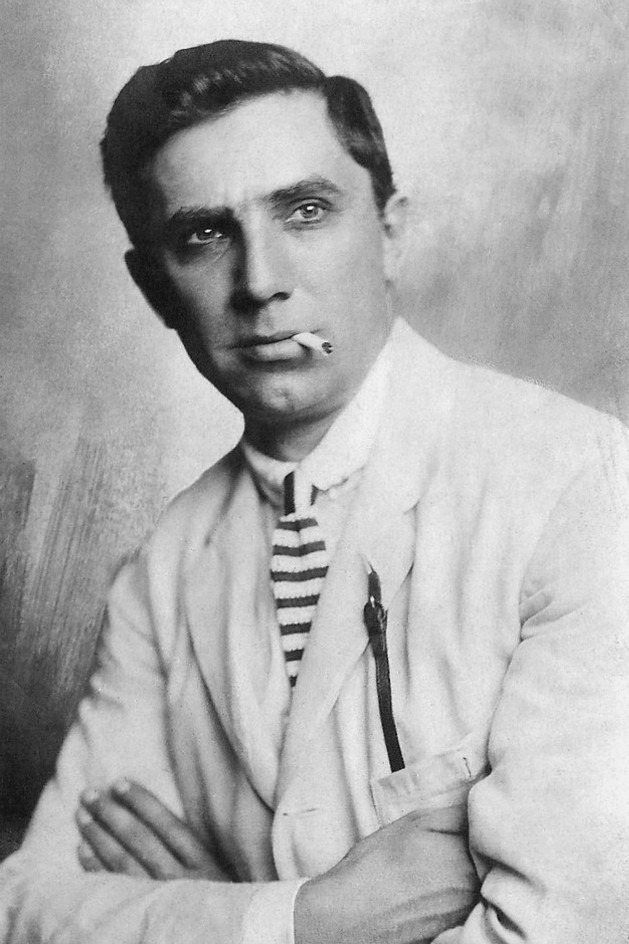
Bela Lugosi, born Béla Ferenc Dezső Blaskó on October 20, 1882, in Lugos, Hungary, is a name synonymous with the iconic portrayal of Count Dracula. Lugosi’s career is a fascinating tapestry of artistic achievement, personal struggle, and cultural impact. This article delves deep into the life of Bela Lugosi, exploring his rise to fame, his life highlights, and his enduring legacy in the world of cinema.
Early Life and Background
Bela Lugosi was born in a small Hungarian village named Lugos, not far from the region of Transylvania—a name that would later become intimately associated with his most famous role. His early life was marked by hardship and humble beginnings. Before becoming an actor, Lugosi worked as a miner and later as an apprentice in a factory. These early jobs, while far removed from the glamour of Hollywood, helped shape his strong work ethic and dedication to his craft.
At a young age, Lugosi developed a passion for acting, which led him to pursue a formal education in the dramatic arts at the Academy of Theatrical Arts in Budapest. This marked the beginning of his journey into the world of theater and film, a journey that would eventually take him to the heights of Hollywood fame.
Career Beginnings and the Move to the United States
Lugosi’s early acting career was not particularly glamorous. He started with minor roles in Hungarian and German films, often appearing under various pseudonyms such as Geza Lugosi, Bela Lugossy, and Deszo Lugosi. His persistence paid off when he began to land more substantial roles in Budapest’s thriving theater scene.
In 1918, amid political turmoil in Hungary and his support for the revolutionary government, Lugosi was forced to flee his homeland following the counter-revolution led by Admiral Miklos Horthy. He initially sought refuge in Germany, where he continued to act in films. However, in 1921, Lugosi made a pivotal decision to emigrate to the United States, seeking broader opportunities in theater and cinema.
The Breakthrough Role: Dracula
Bela Lugosi’s move to America proved to be a turning point in his career. After a series of supporting roles in various theater productions, he was cast in the Broadway adaptation of Bram Stoker’s “Dracula” in 1927. Lugosi’s portrayal of the dark and enigmatic Count Dracula was an immediate sensation, captivating audiences with his intense presence, distinctive accent, and aristocratic demeanor.
The success of the Broadway play led to Lugosi reprising his role in Tod Browning’s 1931 film adaptation of “Dracula,” produced by Universal Pictures. This film would cement Lugosi’s place in cinematic history and forever associate him with the character of Dracula. His chilling performance, with his deliberate pacing and hypnotic gaze, defined the image of the vampire for generations and set the standard for all future portrayals of the character.
Rise to Fame and Hollywood’s Golden Age
Following the success of “Dracula,” Bela Lugosi became one of the most recognizable faces in Hollywood, especially within the horror genre. During the 1930s and early 1940s, he starred alongside Boris Karloff, another icon of horror cinema, in several films produced by Universal Studios, including “The Black Cat” (1934) and “The Raven” (1935). These films showcased his ability to portray both monstrous villains and complex, tormented characters, highlighting his versatility as an actor.
However, Lugosi’s fame came with its own set of challenges. Despite his talent and popularity, he often found himself typecast in roles that did not fully utilize his range as an actor. He frequently played variations of his Dracula persona or mad scientists in a series of B-movies, many of which were of lesser quality than his earlier work. This typecasting limited his career growth and led to frustration over not being able to break away from the Dracula mold.
Personal Struggles and Later Career
Lugosi’s attachment to the role of Dracula was both a blessing and a curse. While it brought him fame and recognition, it also pigeonholed him, making it difficult for him to find diverse roles. His association with Dracula became almost obsessive; he would often appear at public events in character and even gave interviews lying in a coffin, embracing the persona to a degree that many found unsettling.
The later years of Lugosi’s career were marked by personal struggles. He faced financial difficulties, partly due to a series of poor career decisions and an inability to transition to different genres outside of horror. Additionally, Lugosi struggled with addiction to morphine and other substances, which he initially began using to manage chronic pain resulting from injuries sustained in World War I.
In the 1950s, as his career continued to decline, Lugosi appeared in several low-budget films directed by Ed Wood, an eccentric filmmaker known for his unique style and passion for the horror and science fiction genres. These films, including “Bride of the Monster” (1955) and the infamous “Plan 9 from Outer Space” (1959), are often regarded as some of the worst movies ever made, but they have since gained a cult following for their campy appeal and Lugosi’s committed performances, even in his declining years.
Death and Legacy
Bela Lugosi’s life came to a tragic end on August 16, 1956, when he died of a heart attack while preparing for another film. Despite his struggles in his later years, Lugosi’s impact on cinema, particularly in the horror genre, remains significant. His portrayal of Dracula has become the definitive interpretation, influencing countless films, television shows, and books.
Perhaps the most enduring aspect of Lugosi’s legacy is the way he embodied the archetypal vampire. His performance combined elements of Old World aristocracy, menace, and tragic allure, creating a complex character that audiences could both fear and sympathize with. This blend of horror and pathos has made his Dracula an enduring figure in popular culture.
In a fitting and somewhat eerie tribute to his most famous role, it is widely believed that Lugosi was buried wearing the Dracula cape, a testament to how closely the character and the actor were intertwined in the public’s imagination.
Bela Lugosi’s Impact on Horror Cinema
Bela Lugosi’s influence extends far beyond his portrayal of Dracula. He helped shape the horror genre during its formative years, setting the tone for how supernatural and gothic characters were portrayed on screen. His collaborations with Boris Karloff created a dynamic that has become iconic in the world of horror, much like the rivalries seen in modern film franchises.
Moreover, Lugosi’s ability to bring a sense of gravitas and authenticity to roles that could have easily become caricatures set him apart from many of his contemporaries. His commitment to his roles, even when working with lesser material, showed a dedication to his craft that has inspired countless actors in the horror genre and beyond.
The Cultural Legacy of Bela Lugosi
Lugosi’s portrayal of Dracula and his other horror roles have left an indelible mark on global pop culture. From the many parodies and homages in films and television to the use of his likeness in comic books and video games, Lugosi’s Dracula remains a cultural touchstone.
The actor’s life story also serves as a cautionary tale about the perils of typecasting in Hollywood and the struggles that many actors face in their quest for artistic fulfillment. Despite these challenges, Bela Lugosi’s name remains synonymous with classic horror, and his performances continue to be celebrated by fans and critics alike.
Conclusion
Bela Lugosi’s life and career were filled with both triumphs and tragedies, reflecting the complex nature of his journey from a small Hungarian village to the heights of Hollywood fame. His portrayal of Count Dracula not only defined his career but also helped shape the horror genre as we know it today. Despite the personal and professional challenges he faced, Lugosi’s legacy endures, and he remains an icon of classic cinema, particularly in the horror genre. His life story is a testament to the enduring power of film and the indelible impact that a single performance can have on popular culture.


