
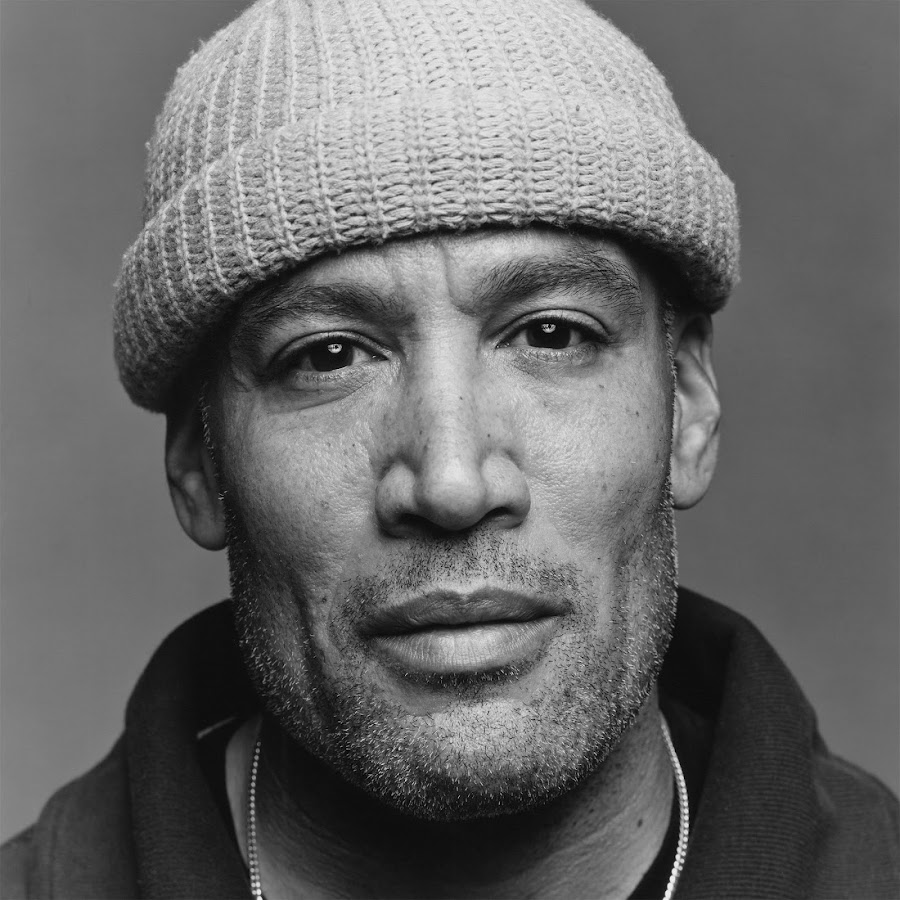
Ben Harper, a multi-talented musician, songwriter, and activist, has made a significant mark on the world of music with his unique blend of blues, folk, soul, reggae, and rock. Born on October 28, 1969, in Claremont, California, Harper’s journey from a small town to international fame is a compelling story of talent, perseverance, and a deep-rooted passion for music. Known for his distinctive voice, masterful guitar playing, and socially conscious lyrics, Ben Harper has become a respected figure in the music industry, influencing generations of artists and listeners alike.
Early Life and Musical Beginnings
Benjamin Chase Harper was born into a family with a rich musical heritage. His maternal grandparents, Charles and Dorothy Chase, owned the Folk Music Center in Claremont, California, a store that specialized in rare and vintage musical instruments. Growing up surrounded by a diverse array of musical influences, Harper was introduced to music at an early age. His mother, Ellen Chase-Verdries, was a talented musician herself and taught Ben how to play the guitar when he was just a child.
The Folk Music Center played a pivotal role in Harper’s early development as a musician. The store was not only a place where instruments were sold and repaired, but it was also a cultural hub where musicians from various backgrounds would gather, share knowledge, and perform. This environment exposed Harper to a wide range of musical styles, from blues and folk to world music and beyond. By the time he was a teenager, Harper had already developed a deep appreciation for the slide guitar, an instrument that would become one of his trademarks.
Harper’s early exposure to music was not limited to the Folk Music Center. His family history was steeped in music, with his grandmother being a church singer and his father, Leonard Harper, also a musician. This rich musical upbringing laid the foundation for Harper’s future career.
The Early Years: Finding His Sound
In 1992, Ben Harper took a significant step in his musical career by recording the album Pleasure and Pain with his friend, folk guitarist Tom Freund. This independent release caught the attention of Virgin Records, who quickly signed Harper to a record deal. In 1994, Harper released his debut album, Welcome to the Cruel World. The album was a critical success and established Harper as a rising star in the music world. It featured a mix of folk, blues, and rock, with socially conscious lyrics that would become a hallmark of his music.
Harper’s second album, Fight for Your Mind, released in 1995, solidified his reputation as a serious musician with something to say. The album was more polished than his debut and featured stronger political themes, addressing issues such as racism, poverty, and the struggles of the working class. Songs like “Excuse Me Mr.” and “Burn One Down” resonated with audiences and showcased Harper’s ability to blend powerful messages with compelling music.
Rising Fame and The Innocent Criminals
By the late 1990s, Ben Harper was gaining a loyal following, thanks in part to his relentless touring schedule. His live performances were electrifying, characterized by his emotional intensity and exceptional musicianship. Harper’s band, The Innocent Criminals, played a crucial role in his success during this period. Together, they developed a dynamic live sound that incorporated a wide range of musical influences, from reggae to funk to gospel.
In 1997, Harper released The Will to Live, an album that further expanded his musical palette. This album was notable for its eclecticism, featuring elements of rock, blues, folk, and even jazz. The title track and songs like “Faded” became fan favorites and received significant airplay on alternative radio stations.
The late 1990s and early 2000s were a period of intense creativity and productivity for Harper. In 1999, he released Burn to Shine, an album that received widespread critical acclaim. The album featured a more polished production and a broader range of musical styles, including soul, gospel, and funk. Songs like “Steal My Kisses” and “Suzie Blue” became hits, and Harper’s star continued to rise.
International Acclaim and Live from Mars
By the turn of the millennium, Ben Harper had achieved international fame. His music was resonating with audiences around the world, and his reputation as a powerful live performer was firmly established. In 2001, he released his first live album, Live from Mars, a double album that showcased the breadth of his musical talents. The album featured both electric and acoustic performances, highlighting Harper’s versatility and his ability to connect with audiences in different settings.
Live from Mars was a commercial success and further cemented Harper’s reputation as one of the most exciting and innovative musicians of his generation. The album captured the energy of his live performances and featured many of his most popular songs, as well as covers of classics like Marvin Gaye’s “Sexual Healing” and Led Zeppelin’s “Whole Lotta Love.”
Diamonds on the Inside and New Collaborations
In 2003, Ben Harper released Diamonds on the Inside, an album that represented a significant evolution in his sound. The album was more diverse than his previous work, incorporating a wide range of musical influences, including reggae, funk, and even French chanson. Harper collaborated with the legendary South African vocal group Ladysmith Black Mambazo on the track “Picture of Jesus,” bringing a new dimension to his music.
Diamonds on the Inside was both a critical and commercial success. The album’s title track, as well as songs like “With My Own Two Hands” and “Amen Omen,” received extensive radio play and helped to expand Harper’s audience even further. The album’s success also led to new opportunities for collaboration, including work with artists like Jack Johnson, Pearl Jam, and Jovanotti.
There Will Be a Light and Grammy Success
In 2004, Ben Harper took a bold step by collaborating with the legendary gospel group The Blind Boys of Alabama. The resulting album, There Will Be a Light, was a departure from Harper’s usual style, focusing more on gospel and spiritual themes. The collaboration was a resounding success, earning Harper his first Grammy Award for Best Pop Instrumental Performance for the track “11th Commandment” and another Grammy for Best Traditional Soul Gospel Album.
There Will Be a Light was a testament to Harper’s versatility as an artist and his willingness to explore new musical territories. The album was praised for its sincerity and the seamless blending of Harper’s style with the rich, soulful sound of The Blind Boys of Alabama.
Both Sides of the Gun and Personal Life
In 2006, Harper released Both Sides of the Gun, a double album that explored two distinct sides of his musical personality. The first disc was filled with funk and rock-infused tracks, while the second featured more introspective, acoustic ballads. The album was another critical success, showcasing Harper’s ability to navigate different genres with ease.
During this time, Harper’s personal life also garnered attention. In December 2005, he married actress Laura Dern, with whom he had been in a long-term relationship. The couple had two children together, a son and a daughter, before their separation in 2010.
Continuing Evolution: Relentless7 and Beyond
In 2009, Ben Harper formed a new band called Relentless7, with whom he released the album White Lies for Dark Times. This album marked a return to a more rock-oriented sound and was well-received by both fans and critics. The formation of Relentless7 allowed Harper to explore new musical directions and experiment with a harder-edged, more aggressive sound.
Harper continued to release new music and tour extensively throughout the 2010s, including collaborations with various artists and the release of solo albums. His music remained deeply rooted in social and political issues, reflecting his ongoing commitment to activism and social justice.
Legacy and Influence
Ben Harper’s influence on modern music is undeniable. Over the course of his career, he has blended genres, pushed boundaries, and created a body of work that is both diverse and deeply personal. His ability to convey powerful messages through his music has earned him a dedicated fan base and critical acclaim.
Harper’s legacy extends beyond his music. He has been an outspoken advocate for social and environmental causes, using his platform to raise awareness and inspire change. His work with organizations like The Innocent Criminals Foundation and his support for causes such as environmental conservation and racial equality have further solidified his reputation as an artist who is deeply committed to making a positive impact on the world.
As Ben Harper continues to evolve as an artist, his music remains as relevant and compelling as ever. His unique blend of musical styles, combined with his heartfelt lyrics and commitment to social justice, ensures that his work will continue to resonate with audiences for years to come.


