
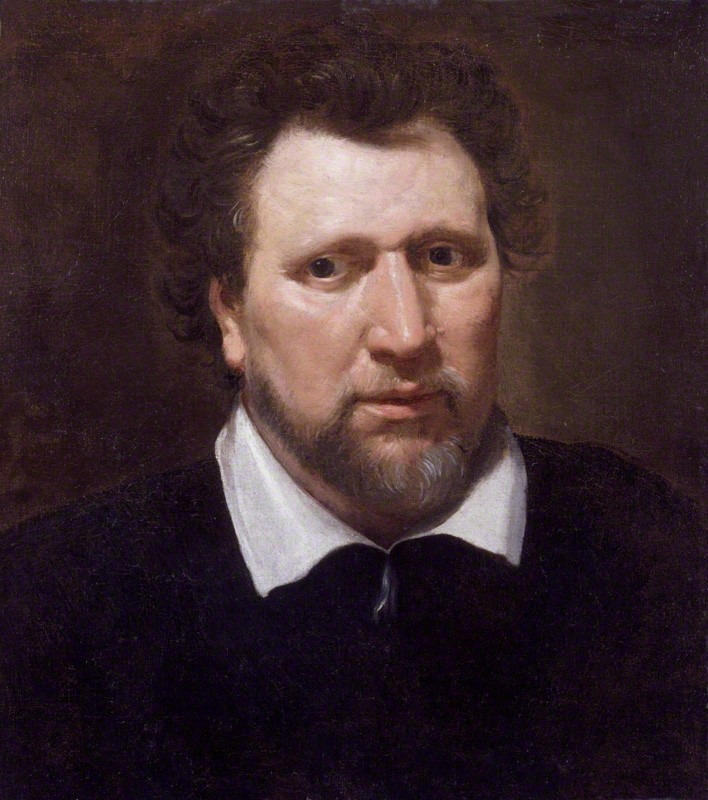
Ben Jonson, a towering figure in English literature, is best remembered as a playwright, poet, and actor who made significant contributions to the Elizabethan and Jacobean periods. His works, characterized by their satirical tone and deep understanding of human nature, have left an indelible mark on the world of theater and literature. Born on June 11, 1572, in London, Jonson’s journey from humble beginnings to becoming one of England’s most celebrated writers is both fascinating and inspiring.
Early Life and Education
Benjamin Jonson was born in the bustling city of London, in the neighborhood of Westminster. His father, who died shortly before Jonson’s birth, was a clergyman, and his mother later remarried a bricklayer. Jonson’s early life was marked by the challenges of his family’s modest means. Despite these hardships, Jonson managed to receive an education at Westminster School, where he studied under the renowned classical scholar William Camden. This early education in the classics would profoundly influence Jonson’s later work, providing him with a deep appreciation for Latin literature and the classical unities.
However, Jonson’s academic pursuits were cut short when his stepfather compelled him to leave school and apprentice as a bricklayer. This period of his life was difficult for Jonson, who had little interest in manual labor. Nonetheless, it was during this time that he began to develop his skills as a writer, finding solace in literature and poetry.
Military Service and Return to London
Jonson’s life took a significant turn when he enlisted as a volunteer in the English army. He was sent to the Netherlands, where he fought against the Spanish during the Eighty Years’ War. According to some accounts, Jonson killed an enemy soldier in single combat, displaying the bravery and physical prowess that would later be reflected in his larger-than-life characters on stage.
After returning to London in the mid-1590s, Jonson began to pursue a career in the theater. Initially, he worked as an actor, but it was as a playwright that he would find his true calling. His early experiences on the stage, combined with his classical education, equipped him with a unique perspective that he brought to his writing.
Rise to Fame: The Isle of Dogs and Legal Troubles
Jonson’s first major work, The Isle of Dogs (1597), was a collaborative effort with playwright Thomas Nashe. However, the play’s satirical content, which was seen as seditious by the authorities, led to Jonson’s imprisonment. The play was suppressed, and all copies were destroyed, marking the first of many run-ins with the law that would characterize Jonson’s career.
Despite this setback, Jonson quickly bounced back with his next play, Every Man in His Humour (1598). This work, performed by the Lord Chamberlain’s Men, the company of which William Shakespeare was a member, was a resounding success. The play’s focus on the “humors” of its characters—a concept borrowed from the ancient Greek theory of bodily humors—allowed Jonson to explore the quirks and follies of human nature in a way that resonated with audiences.
The Theory of Humors and Its Impact
Jonson’s theory of humors became a central theme in his comedies. The idea, rooted in Hippocratic and Galenic medicine, posited that human behavior was governed by four bodily fluids or “humors”: blood, phlegm, yellow bile, and black bile. An imbalance in these humors was thought to result in specific personality traits, such as melancholy, sanguinity, choleric temperament, or phlegmatic disposition.
In plays like Every Man in His Humour and Volpone, Jonson used this framework to craft characters who were exaggerated embodiments of these traits. This approach not only provided comedic material but also allowed Jonson to comment on the social and moral issues of his time. His characters were often satirical representations of societal archetypes, and through them, Jonson critiqued the greed, vanity, and hypocrisy he observed in Elizabethan society.
Notable Works and Literary Achievements
Ben Jonson’s literary output during the late 16th and early 17th centuries was prolific and varied. Some of his most notable works include:
-
Volpone, or The Fox (1606): This dark comedy is one of Jonson’s most famous plays. Set in Venice, Volpone tells the story of a wealthy, childless conman who pretends to be on his deathbed to dupe greedy fortune hunters into giving him gifts in the hopes of being named his heir. The play is a biting satire of greed and corruption, showcasing Jonson’s sharp wit and moral critique.
-
The Alchemist (1610): Another of Jonson’s masterpieces, The Alchemist is a satirical comedy that explores the theme of deception. The play revolves around a trio of con artists who exploit the gullibility and greed of their victims by promising them wealth through alchemical means. The play’s fast-paced plot and clever dialogue have made it a favorite among audiences and critics alike.
-
Bartholomew Fair (1614): This comedy, set during the annual fair in London’s Smithfield, is a sprawling and vivid portrayal of London life. The play’s diverse cast of characters, ranging from pickpockets to Puritans, provides a snapshot of the city’s social landscape, and Jonson’s use of London dialects and slang adds authenticity to the depiction.
-
Sejanus His Fall (1603) and Catiline His Conspiracy (1611): These two tragedies, based on events from ancient Roman history, demonstrate Jonson’s classical influences. While they were less commercially successful than his comedies, they showcase his ability to blend classical forms with contemporary concerns.
-
The Masques: Jonson was also known for his masques, elaborate court entertainments that combined music, dance, and drama. These performances were often staged in collaboration with the architect Inigo Jones, who designed the sets and costumes. Jonson’s masques, such as The Masque of Blackness (1605) and The Masque of Queens (1609), were highly regarded for their poetic language and intricate allegory.
Jonson’s Relationship with Shakespeare
One of the most intriguing aspects of Ben Jonson’s life is his relationship with William Shakespeare. While they were contemporaries and occasional collaborators, their relationship was complex and has been the subject of much speculation. Jonson was known to be critical of some of Shakespeare’s plays, particularly for what he saw as their lack of adherence to classical unities. Despite this, Jonson deeply respected Shakespeare’s talent and famously wrote a tribute to him in the First Folio of Shakespeare’s collected works, published in 1623, where he referred to Shakespeare as “Soul of the age” and “not of an age, but for all time.”
This ambivalence reflects Jonson’s broader approach to literature. While he was a champion of classical forms and believed in the importance of rules and structure in writing, he also recognized and admired the genius of those who could transcend these conventions.
Later Life and Legacy
As Jonson grew older, his output slowed, but he remained a central figure in the literary world. In 1616, he published a collected edition of his works, titled The Works of Benjamin Jonson. This was a bold move, as plays were not typically considered literature worthy of preservation at the time. Jonson’s decision to publish his plays alongside his poetry and masques in a single volume signaled his belief in the literary merit of drama and helped to elevate the status of English theater.
Jonson continued to write until his death on August 6, 1637. He was buried in Westminster Abbey, where his grave bears the simple epitaph “O Rare Ben Jonson.” His influence on English literature, particularly in the realms of comedy and satire, is immeasurable. Jonson’s works have been studied and performed for centuries, and his legacy as a master of language, character, and social commentary endures.
Historical Context and Influence
Understanding Ben Jonson’s work requires an appreciation of the historical context in which he wrote. The late 16th and early 17th centuries were a time of great social, political, and cultural change in England. The Elizabethan era, followed by the Jacobean period, was marked by the expansion of the English empire, religious conflict, and the rise of a powerful merchant class. These changes were reflected in the themes and concerns of the literature of the time.
Jonson’s satirical approach was particularly suited to this period of upheaval. His plays often targeted the vices and follies of the rising middle class, as well as the corruption and hypocrisy he saw in the court and the church. Jonson’s sharp critique of society, combined with his deep knowledge of classical literature and philosophy, made him a unique voice in English literature.
In addition to his influence on the development of English comedy, Jonson’s work also had a significant impact on the evolution of literary criticism. His emphasis on the importance of rules and structure in writing, as well as his belief in the moral purpose of literature, helped to shape the critical standards of his time. Jonson’s views on these matters are reflected in his Timber, or Discoveries, a collection of essays and notes on a wide range of subjects, including literature, philosophy, and politics.
Conclusion
Ben Jonson was a multifaceted figure whose work as a playwright, poet, and critic left an indelible mark on English literature. His mastery of language, combined with his keen insight into human nature, allowed him to create works that continue to resonate with audiences today. Jonson’s exploration of the “humors” that drive human behavior, his satirical critique of society, and his commitment to the classical ideals of literature have ensured his place in the pantheon of great English writers.
Jonson’s legacy is one of innovation and influence. He was not only a product of his time but also a shaper of it, using his art to reflect and critique the world around him. As we continue to study and perform his works, we are reminded of the enduring power of literature to illuminate the human condition.


