
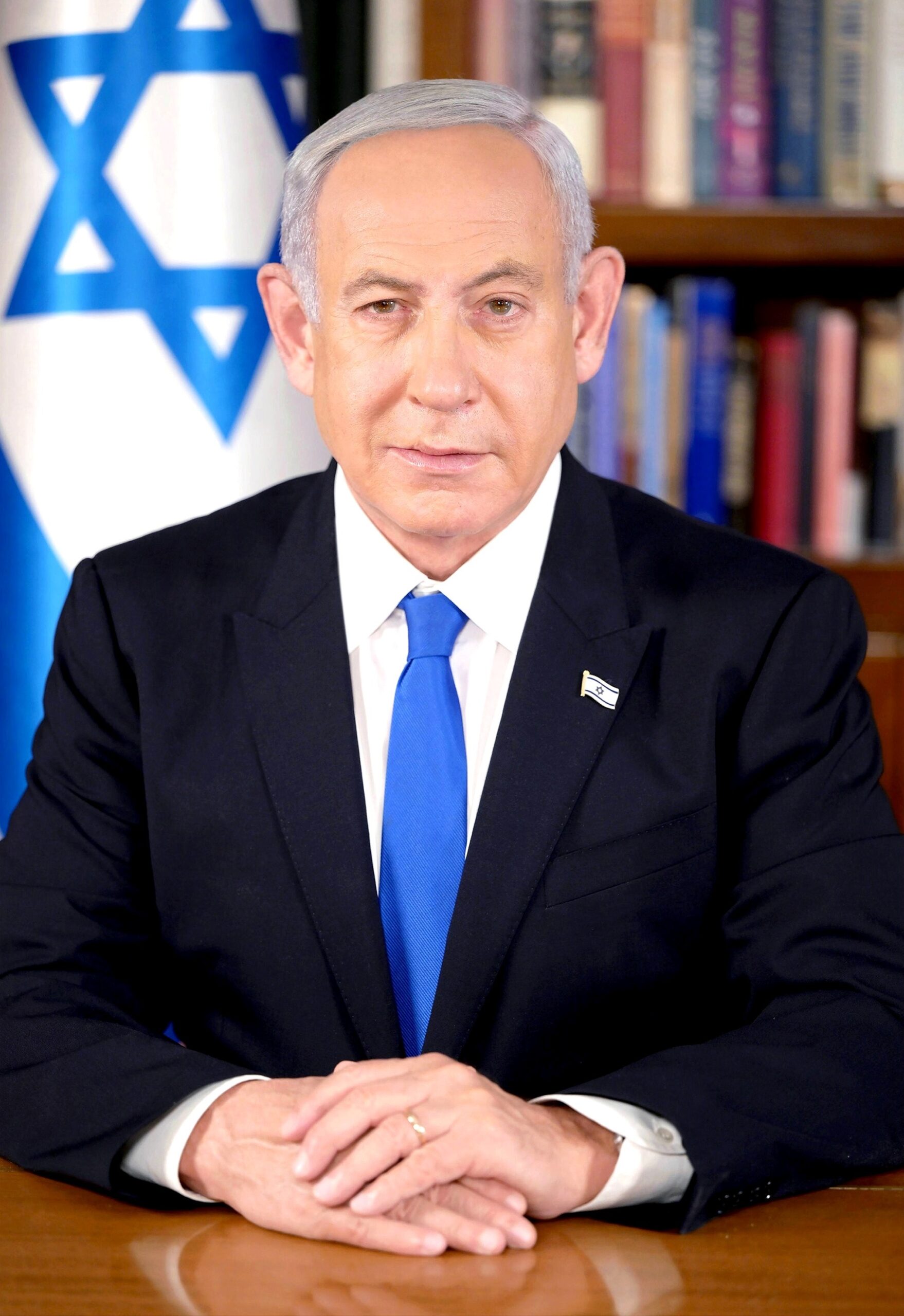
Benjamin Netanyahu, a name synonymous with Israeli politics, has played a pivotal role in shaping the modern state of Israel. Born on October 21, 1949, in Tel Aviv, Netanyahu’s life has been marked by a deep commitment to his country, both as a soldier and a statesman. His leadership has seen Israel through some of its most challenging and transformative periods. This article delves into the life of Benjamin Netanyahu, exploring his age, rise to fame, and the significant highlights of his life that have solidified his place in history.
Early Life and Education
Benjamin Netanyahu, often referred to by his nickname “Bibi,” was born into a family deeply rooted in academic and political thought. His father, Benzion Netanyahu, was a renowned historian, whose work focused on Jewish history and Zionism. This intellectual environment profoundly influenced the young Netanyahu, instilling in him a sense of purpose and destiny.
Netanyahu spent much of his early childhood in Jerusalem, but his education took a significant turn when his father decided to send him to the United States for his high school education. In 1962, Netanyahu moved to the United States, where he attended Cheltenham High School in Pennsylvania. His time in the U.S. would leave a lasting impact on him, shaping his worldview and his understanding of global politics.
Military Service and the Formation of Ideology
In 1967, Netanyahu returned to Israel to fulfill his mandatory military service, joining the Israel Defense Forces (IDF). He served in Sayeret Matkal, an elite special forces unit known for its high-risk operations. Netanyahu participated in several key missions, including the rescue of hostages from a hijacked Sabena Airlines flight in 1972. His military service not only honed his leadership skills but also solidified his conservative and security-focused worldview.
One of the most significant events in Netanyahu’s life occurred in 1976 when his older brother, Yonatan “Yoni” Netanyahu, was killed during Operation Entebbe, a daring hostage rescue mission in Uganda. Yoni’s death had a profound impact on Benjamin, deepening his commitment to combating terrorism and influencing his future political stance.
Academic Pursuits and Early Career
After completing his military service, Netanyahu returned to the United States to pursue higher education. He attended the Massachusetts Institute of Technology (MIT), where he earned a degree in architecture and later a Master of Science in business management. His time at MIT, coupled with his work experience at the Boston Consulting Group, provided him with a unique blend of technical and managerial expertise.
In 1976, Netanyahu began his career in the private sector, working in business consulting and management. However, the loss of his brother Yoni and the growing threat of terrorism around the world led him to shift his focus towards public service and international diplomacy.
Entry into Politics: The 1980s
Netanyahu’s entry into politics was marked by his appointment as deputy chief of mission at the Israeli Embassy in Washington, D.C., in 1982. This role marked the beginning of his ascent in Israeli politics. His ability to communicate effectively in English and his deep understanding of American political culture made him a key figure in strengthening U.S.-Israel relations.
In 1984, Netanyahu was appointed as Israel’s ambassador to the United Nations, a position he held for four years. During his tenure, he became a prominent voice on the international stage, advocating for Israel’s security and raising awareness about the threat of terrorism. Netanyahu’s time at the UN also saw him playing a crucial role in highlighting the atrocities committed against the Jewish people during the Holocaust, ensuring that the memory of these events remained at the forefront of international discourse.
Rise to Prominence: The 1990s
By the early 1990s, Netanyahu had established himself as a leading figure within the Likud party, Israel’s main right-wing political party. In 1993, he became the leader of Likud and the head of the opposition, positioning himself as a key challenger to the ruling Labor Party.
In 1996, Netanyahu made history by becoming the youngest person ever to be elected as Prime Minister of Israel at the age of 46. His campaign focused heavily on security issues, particularly the threat of terrorism, and he capitalized on the growing discontent among Israelis who felt vulnerable after a series of terrorist attacks.
Netanyahu’s first term as Prime Minister was marked by his commitment to both security and economic reform. He initiated several measures aimed at liberalizing the Israeli economy, promoting foreign investment, and encouraging the growth of Israel’s high-tech sector. Despite facing significant challenges, including a fragile peace process with the Palestinians, Netanyahu’s tenure saw a decrease in terrorist attacks, largely due to his hardline stance on security.
A Temporary Exit from Politics
After losing the 1999 election to Ehud Barak, Netanyahu took a temporary hiatus from politics, choosing to focus on private consultancy work and lecturing on international relations. However, his time away from the political scene was short-lived. The outbreak of the Second Intifada in 2000, coupled with a series of security crises, brought Netanyahu back into the political arena.
Return to Power: The 2000s
In 2002, Netanyahu was appointed as Minister of Foreign Affairs under Prime Minister Ariel Sharon. He later served as Minister of Finance, where he implemented a series of controversial but effective economic reforms that helped stabilize Israel’s economy. These reforms included cuts in government spending, tax reductions, and the privatization of state-owned enterprises.
Netanyahu’s economic policies were instrumental in transforming Israel into a global technology powerhouse, earning him praise from both domestic and international observers. However, his tenure as Finance Minister was not without controversy. In 2005, he resigned in protest against Sharon’s plan to disengage from Gaza, a move that Netanyahu vehemently opposed.
The Longest-Serving Prime Minister: The 2010s
In 2009, Netanyahu was re-elected as Prime Minister, marking the beginning of a long and often contentious period of leadership. His second term was characterized by a focus on security, economic growth, and navigating Israel’s complex international relations.
One of Netanyahu’s key achievements during this period was his handling of Israel’s economy during the global financial crisis. Under his leadership, Israel’s economy continued to grow, largely due to his government’s fiscal policies and the booming technology sector.
Netanyahu also took a hardline stance on Iran’s nuclear program, positioning Israel as a vocal opponent of the 2015 Iran nuclear deal. His address to the U.S. Congress in March 2015, in which he warned against the dangers of the deal, was a defining moment in his career, showcasing his ability to influence global policy discussions.
The Abraham Accords and Later Years
One of Netanyahu’s most significant achievements in recent years has been the signing of the Abraham Accords in 2020. These agreements, brokered by the United States, normalized relations between Israel and several Arab nations, including the United Arab Emirates and Bahrain. The accords marked a historic shift in Middle Eastern geopolitics, with Netanyahu at the center of this diplomatic breakthrough.
Despite these successes, Netanyahu’s later years in office were marred by legal troubles. He was indicted on charges of bribery, fraud, and breach of trust in 2019, leading to widespread protests and a deeply divided public opinion. Netanyahu has consistently denied any wrongdoing, describing the charges as a politically motivated witch hunt.
The 2020s: A Tumultuous Era
The 2020s have been a tumultuous period for Netanyahu. Israel’s political landscape became increasingly fragmented, leading to multiple elections within a short span of time. Despite these challenges, Netanyahu managed to maintain his influence, even serving as interim Prime Minister during this period of instability.
In 2021, after a prolonged political deadlock, Netanyahu was replaced as Prime Minister by Naftali Bennett, ending his record-breaking tenure. However, Netanyahu remains a significant figure in Israeli politics, leading the opposition and continuing to shape the country’s political discourse.
In December 2022, following yet another election, Netanyahu returned to power, once again taking the reins as Israel’s Prime Minister. His resilience and ability to navigate the complexities of Israeli politics underscore his enduring influence and the loyalty he commands within the Likud party.
Personal Life
Benjamin Netanyahu is married to Sara Netanyahu, a psychologist. The couple has three children, and they reside in Jerusalem. Despite the demands of his political career, Netanyahu has authored several books, primarily focusing on terrorism, security, and international relations. His writings reflect his deep concern for Israel’s security and his belief in the necessity of a strong, uncompromising stance against terrorism.
Conclusion
Benjamin Netanyahu’s life is a testament to his unwavering commitment to Israel and its security. From his early days as a soldier in the IDF to his record-breaking tenure as Prime Minister, Netanyahu has been a central figure in Israeli politics for decades. His leadership has shaped the country’s economic policies, its approach to security, and its position on the global stage.
Netanyahu’s legacy is a complex one, marked by significant achievements as well as controversies. His impact on Israel’s history is undeniable, and his influence continues to be felt in the country’s political landscape. As Israel navigates its future, the story of Benjamin Netanyahu will remain an integral part of the nation’s ongoing narrative.


