
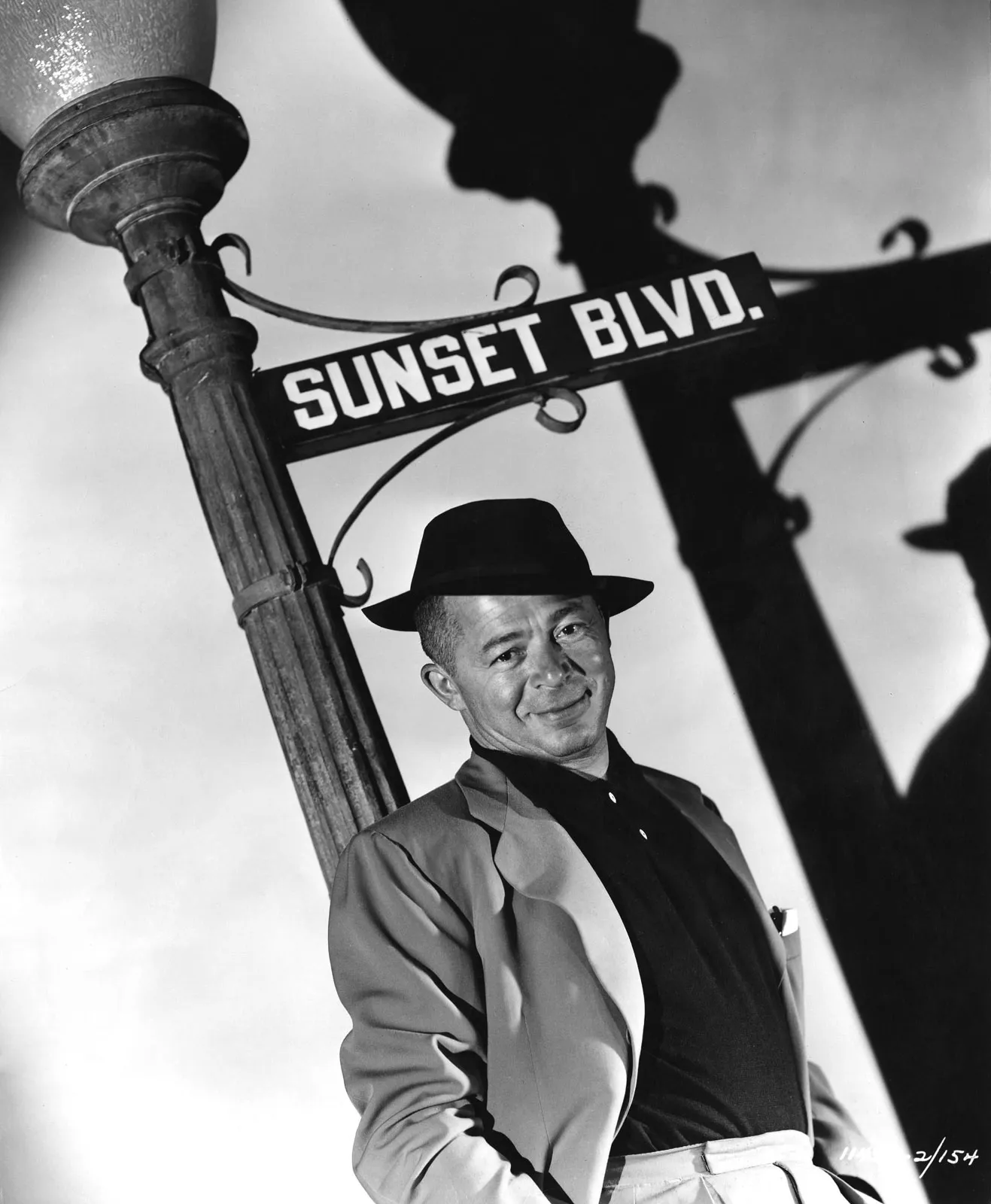
Billy Wilder, one of the most influential and celebrated filmmakers of the 20th century, is a name synonymous with cinematic excellence. Born Samuel Wilder on June 22, 1906, in Sucha Beskidzka, then part of the Austro-Hungarian Empire (now Poland), Wilder’s life and career spanned nearly a century and left an indelible mark on the history of Hollywood and world cinema. From his early days as a journalist to his rise as a revered director and screenwriter, Wilder’s story is one of talent, perseverance, and an unyielding dedication to the craft of filmmaking.
Early Life and Career Beginnings
Billy Wilder was born into a Jewish family in a small town in what is now Poland. His father, Max Wilder, owned a chain of cafes, and his mother, Eugenia, was an avid moviegoer who exposed young Billy to the world of cinema from an early age. However, it was not initially the silver screen that captivated Wilder; rather, he pursued a career in law at the University of Vienna. But soon, his love for storytelling and writing took over, and he abandoned his legal studies to become a journalist.
Wilder began his career as a reporter for a newspaper in Vienna, where his sharp wit and keen observational skills quickly earned him recognition. This period of his life would later serve as inspiration for one of his most famous films, The Front Page (1974), a biting satire on the world of journalism.
In the late 1920s, Wilder moved to Berlin, then a bustling hub of culture and creativity, where he continued his work as a journalist. It was here that he first encountered the world of film, initially working as a ghostwriter on screenplays. His talent for storytelling quickly became apparent, and he began to collaborate with prominent directors of the time, such as Robert Siodmak. However, the rise of the Nazi regime in Germany forced Wilder, who was Jewish, to flee the country. He first went to Paris, where he directed his first film, Mauvaise Graine (1934), before emigrating to the United States in 1933.
Hollywood: Early Struggles and Breakthrough
When Billy Wilder arrived in Hollywood, he was virtually penniless and spoke little English. Despite these challenges, he was determined to make his mark in the film industry. In the early years, he struggled to find steady work, often collaborating on scripts for B-movies to make ends meet. His big break came when he teamed up with Charles Brackett, a seasoned screenwriter, and producer, in 1936. Together, they formed one of the most successful writing partnerships in Hollywood history, crafting sharp, witty screenplays that became the foundation of Wilder’s illustrious career.
One of their earliest successes was the screenplay for Ninotchka (1939), a romantic comedy directed by Ernst Lubitsch and starring Greta Garbo. The film was a critical and commercial success, earning Wilder his first Academy Award nomination for Best Screenplay. Ninotchka was a turning point for Wilder, establishing him as a formidable talent in Hollywood.
Wilder’s first major success as a director came in 1942 with The Major and the Minor, a comedy starring Ginger Rogers. The film showcased Wilder’s signature style: a blend of sharp dialogue, clever plot twists, and a keen sense of timing. This success led to his next project, Five Graves to Cairo (1943), a war film that further solidified his reputation as a director.
The Golden Years: Classic Films and Oscar Wins
The 1940s and 1950s were a golden era for Billy Wilder, during which he directed and wrote some of the most iconic films in Hollywood history. In 1944, Wilder co-wrote and directed Double Indemnity, a film noir based on a novel by James M. Cain. The film, starring Barbara Stanwyck and Fred MacMurray, is considered one of the greatest examples of the genre, with its dark, cynical tone and complex moral ambiguities. Double Indemnity received seven Academy Award nominations and established Wilder as a master of suspense and drama.
In 1945, Wilder directed The Lost Weekend, a groundbreaking film about alcoholism starring Ray Milland. The film was a critical and commercial success, winning four Academy Awards, including Best Director and Best Picture. The Lost Weekend was notable for its unflinching portrayal of addiction, a theme that was rarely addressed in Hollywood at the time. Wilder’s willingness to tackle difficult and controversial subjects became a hallmark of his work.
One of Wilder’s most celebrated films came in 1950 with the release of Sunset Boulevard. The film, starring Gloria Swanson as a faded silent film star and William Holden as a struggling screenwriter, is a dark, satirical look at the Hollywood film industry. Sunset Boulevard was a critical success and received 11 Academy Award nominations, winning three. The film’s haunting portrayal of obsession and the dark side of fame has made it a timeless classic and one of the most iconic films ever made.
Collaboration with Marilyn Monroe and Other Stars
In the 1950s, Billy Wilder collaborated with some of the biggest stars in Hollywood, including Marilyn Monroe, whom he directed in two of her most famous films: The Seven Year Itch (1955) and Some Like It Hot (1959). The Seven Year Itch featured Monroe in one of the most iconic scenes in cinema history, where she stands over a subway grate, her white dress billowing up. The film was a box office hit and further cemented Wilder’s reputation as a director who could blend humor with social commentary.
Some Like It Hot, a comedy about two musicians who disguise themselves as women to escape from the mob, is widely regarded as one of the greatest comedies of all time. The film starred Marilyn Monroe, Tony Curtis, and Jack Lemmon and was a critical and commercial success. Wilder’s ability to push the boundaries of comedy while maintaining a light-hearted tone made the film a timeless masterpiece. Some Like It Hot won numerous awards, including a Golden Globe for Monroe and an Academy Award nomination for Best Director for Wilder.
The Later Years: Continued Success and Legacy
As the 1960s progressed, Billy Wilder continued to make successful films, though the changing landscape of Hollywood began to affect his work. In 1960, he directed The Apartment, a dark comedy-drama starring Jack Lemmon and Shirley MacLaine. The film was a critical and commercial success, winning five Academy Awards, including Best Picture, Best Director, and Best Screenplay. The Apartment was praised for its blend of humor and pathos, as well as its commentary on corporate culture and personal ethics.
Wilder’s collaboration with Jack Lemmon and Walter Matthau became one of the most iconic partnerships in Hollywood history. Together, they made several films, including The Fortune Cookie (1966), The Front Page (1974), and Buddy Buddy (1981). Their chemistry and comedic timing were unparalleled, and their films remain beloved by audiences today.
In the later years of his career, Wilder faced increasing competition from a new generation of filmmakers who were changing the face of Hollywood. Despite this, he continued to work on projects that were close to his heart. In 1978, he directed Fedora, a film that revisited the themes of aging and the passage of time, which had been central to Sunset Boulevard. Though not as commercially successful as his earlier work, Fedora was a poignant exploration of the changing landscape of Hollywood and the inevitability of obsolescence.
Wilder’s final film, Buddy Buddy (1981), reunited him with Jack Lemmon and Walter Matthau, though it did not achieve the same level of success as their previous collaborations. After Buddy Buddy, Wilder retired from filmmaking, choosing to focus on his other interests, including art collecting.
Legacy and Influence
Billy Wilder’s impact on cinema cannot be overstated. He was a filmmaker who pushed the boundaries of what was considered acceptable in Hollywood, exploring themes of morality, identity, and the human condition with wit and intelligence. His films remain as relevant today as they were when they were first released, and his influence can be seen in the work of countless filmmakers who followed in his footsteps.
Wilder’s ability to blend genres, his sharp dialogue, and his complex characters set a new standard for Hollywood filmmaking. He was a pioneer of the film noir genre, a master of comedy, and a director who was unafraid to tackle difficult subjects. His work has been studied and celebrated by film scholars and fans alike, and he remains one of the most revered figures in the history of cinema.
Wilder passed away on March 27, 2002, in Beverly Hills, California, at the age of 95. He left behind a legacy of films that continue to inspire and entertain audiences around the world. His life and career are a testament to the power of perseverance, creativity, and the enduring impact of great storytelling.


