
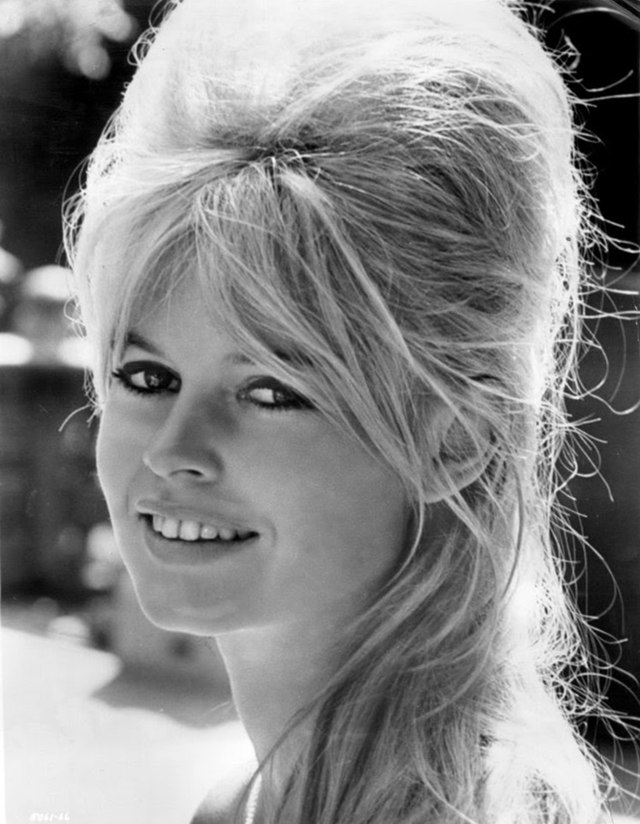
Brigitte Bardot, an iconic figure of French cinema and one of the most recognizable sex symbols of the 20th century, was born on September 28, 1934, in Paris, France. Her journey from a young dancer to an international film star and later a dedicated animal rights activist is a fascinating story of transformation and impact. Bardot’s life is marked by her contributions to film, fashion, and social causes, making her a complex and influential figure in modern history.
Early Life and Entry into Show Business
Brigitte Bardot was born into a wealthy and conservative family. Her father, Louis “Pilou” Bardot, was an industrialist, and her mother, Anne-Marie Mucel, had an interest in the arts. Bardot showed an early inclination towards ballet, enrolling in the Conservatoire de Paris at a young age. Her early training in dance laid the foundation for her poise and grace, qualities that would later define her screen presence.
In 1952, at the age of 18, Bardot made her film debut in “Le Trou Normand,” directed by Jean Boyer. That same year, she married director Roger Vadim, who played a significant role in shaping her early career. Vadim’s influence helped Bardot transition from minor roles to becoming a leading lady in French cinema.
Rise to Fame and Iconic Status
The 1950s and 60s were transformative decades for Brigitte Bardot. Her breakthrough came with the film “And God Created Woman” (1956), directed by Roger Vadim. Bardot’s portrayal of a free-spirited and sensual young woman in the conservative town of Saint-Tropez captivated audiences and critics alike. The film’s success catapulted her to international stardom and established her as a symbol of sexual liberation.
Bardot’s image, characterized by her blonde hair, pouty lips, and sultry demeanor, became synonymous with the sexual revolution of the 1960s. She was often compared to American actress Marilyn Monroe, both of whom epitomized the era’s changing attitudes towards sexuality and femininity. Bardot’s influence extended beyond film; she became a fashion icon, popularizing trends such as the bikini and the “Bardot neckline,” an off-the-shoulder style that highlighted her elegant yet provocative style.
Career Highlights and Notable Films
Throughout her career, Bardot appeared in over 50 films, showcasing her versatility as an actress. Some of her notable works include:
-
“La Vérité” (1960): Directed by Henri-Georges Clouzot, this courtroom drama features Bardot in one of her most critically acclaimed performances as Dominique Marceau, a woman on trial for the murder of her lover.
-
“Le Mépris” (1963): In this film directed by Jean-Luc Godard, Bardot starred alongside Michel Piccoli. The film is a complex exploration of relationships and the film industry, and Bardot’s performance added depth to her screen persona.
-
“Viva Maria!” (1965): Directed by Louis Malle, this comedy-adventure film paired Bardot with Jeanne Moreau. The film’s success further cemented Bardot’s status as a box-office draw.
-
“Two Weeks in September” (1967): Directed by Serge Bourguignon, this romantic drama showcased Bardot’s ability to portray nuanced emotions, adding another layer to her acting credentials.
Despite her success, Bardot often felt constrained by her sex symbol image. She sought roles that would challenge her as an actress, leading to a mix of commercial hits and more serious, artistic endeavors.
Personal Life and Marriages
Brigitte Bardot’s personal life has been as public and scrutinized as her film career. Her marriage to Roger Vadim ended in 1957, but they remained lifelong friends. Bardot’s subsequent marriages were to actor Jacques Charrier, with whom she had her only child, Nicolas-Jacques Charrier, in 1960. This marriage was heavily covered by the media, contributing to Bardot’s growing disillusionment with fame.
In 1966, Bardot married German millionaire playboy Gunter Sachs. Their union lasted only three years, marked by intense media attention and personal challenges. In 1992, Bardot married Bernard d’Ormale, a former advisor to the French right-wing politician Jean-Marie Le Pen. This marriage, in contrast to her previous ones, has been more stable and private.
Bardot’s love life has also been linked with numerous high-profile relationships, including those with musicians Serge Gainsbourg and Sacha Distel, and even rumored flings with stars like Jimi Hendrix. These relationships often fueled the media’s fascination with her, adding to her mystique and allure.
Retirement from Acting and Shift to Activism
By the early 1970s, Bardot had become disenchanted with the pressures of stardom and the constant media intrusion into her personal life. In 1973, just before her 40th birthday, she announced her retirement from acting. Bardot chose to leave the film industry at the height of her career, a decision that surprised many but was rooted in her desire for a more meaningful life.
Bardot redirected her passion and influence towards animal rights. In 1986, she founded the Brigitte Bardot Foundation for the Welfare and Protection of Animals. She funded the foundation by auctioning off personal items, including her jewelry. Bardot’s commitment to animal rights has been unwavering, and she has become one of the most prominent advocates in the world, speaking out against practices such as seal hunting, animal testing, and the fur trade.
Controversies and Public Statements
Despite her contributions to animal welfare, Bardot’s later years have been marred by controversies, particularly related to her outspoken views on immigration, Islam, and homosexuality. In her 2003 book “Un cri dans le silence” (“A Scream in the Silence”), Bardot expressed opinions that many deemed offensive and racist. She criticized the “Islamization of France” and made derogatory comments about homosexuals and women in government. These views led to several convictions for inciting racial hatred and fines imposed by French courts.
Bardot’s polarizing statements have sparked significant backlash, but she remains unapologetic about her beliefs. Her stance has led to a complex legacy, where her advocacy for animal rights is often overshadowed by her controversial opinions on social and political issues.
Cultural Impact and Legacy
Brigitte Bardot’s impact on culture, fashion, and cinema is undeniable. She was one of the first actresses to achieve international fame and became a symbol of the sexual revolution, influencing generations of women and the portrayal of femininity in media. Bardot’s style, including her tousled hair, natural makeup, and effortless elegance, continues to inspire fashion trends and designers.
In addition to her fashion and film influence, Bardot has been immortalized in art and popular culture. Andy Warhol’s portraits of her and Alain Gourdon’s bust of Marianne, the national emblem of France, modeled after Bardot, are testaments to her enduring icon status.
Conclusion
Brigitte Bardot’s life is a tale of transformation—from a young dancer in Paris to an international film star and later an ardent animal rights activist. Her contributions to cinema and fashion have left an indelible mark on popular culture, while her advocacy work has had a significant impact on animal welfare. Despite the controversies that have surrounded her in later years, Bardot’s legacy as a trailblazer in multiple arenas remains intact.
As Bardot continues to champion animal rights, her story serves as a reminder of the complexities and contradictions that often accompany a life lived in the public eye. Her journey reflects both the heights of cinematic success and the personal struggles that come with fame, making Brigitte Bardot a compelling and multifaceted figure in the annals of modern history.


