
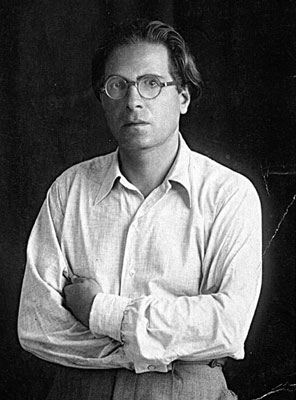
Bruno Misefari (1892–1936) is a notable figure in Italian history whose life was a complex interplay of political activism, intellectual pursuits, and personal struggles. His journey through early 20th-century Italy, marked by his involvement in socialism and anarchism, as well as his engagement with the broader European political landscape, offers a compelling narrative of resistance and resilience.
Early Life and Education
Born on January 17, 1892, in Palizzi, Reggio Calabria, Italy, Bruno Misefari was raised in a family with diverse professional backgrounds. His brother Enzo was a member of the Communist Party, while Florindo was a biologist, and Ottavio pursued a career in football. This eclectic environment likely influenced Misefari’s later endeavors and political inclinations.
At the age of eleven, Misefari moved with his uncle to Reggio Calabria, where he encountered socialist and anarchist intellectuals. These early influences shaped his political ideology and led him to establish a socialist youth circle. His involvement in socialist circles included contributing to newspapers such as Il Lavoratore, Il Libertario, and Il Riscatto. His outspoken views on Italian military interventions, particularly in Libya, resulted in his arrest in March 1912. Misefari spent two and a half months in detention, a period that solidified his commitment to socialist and later anarchist principles.
Political Activism and Exile
Misefari’s political activism continued to grow, leading to his refusal to serve in the military during World War I. This stance led to a four-month imprisonment in Benevento, after which he attempted to evade military service by seeking refuge with a local farmer. Despite his efforts, he was apprehended again, this time for his pacifist rhetoric during a pro-war rally in Reggio Calabria, resulting in seven months in Acireale prison.
In 1917, Misefari managed to escape from prison in Lugano, Switzerland, where he sought asylum. His activities in Switzerland included contributing to the anarchist-communist newspaper Risveglio Anarchico Comunista and participating in various debates on anarchist principles. His time in Switzerland was marked by significant political engagement and intellectual exchange with fellow anarchists.
Return to Italy and Continued Activism
After his expulsion from Switzerland in 1919, Misefari obtained a passport for academic purposes in Stuttgart, Germany, and subsequently returned to Italy following an amnesty by the Italian government. His activities in Italy intensified in 1920, including the founding of the anarchist newspaper L’Anarchico in Naples. Misefari’s efforts in advocating for anarchist causes included defending the accused anarchists Sacco and Vanzetti, whose execution in the U.S. for crimes they did not commit drew widespread international criticism.
In 1922, Misefari completed his engineering studies at the Polytechnic of Naples and later pursued philosophy. His entrepreneurial spirit led him to establish a glass factory in Calabria, though his business and political activities drew the ire of the fascist regime.
Conflict with Fascism and Final Years
Misefari’s resistance to the fascist regime resulted in multiple arrests. He was initially detained on charges of attempting to assassinate King Vittorio Emanuele III and Benito Mussolini. Although released after twenty-five days, he was later imprisoned again for making a speech during a funeral that was misinterpreted by the regime. His eventual exile to Ponza in 1931 was marked by personal hardships, including his marriage to Pia Zanolli while in prison.
After being released due to a regime amnesty in 1933, Misefari returned to Calabria, where he faced financial difficulties and health problems, including a brain tumor. Despite his failing health, he managed to establish a silica plant in Davoli, but his condition worsened significantly.
Bruno Misefari passed away on June 12, 1936, at the age of 44. His death marked the end of a tumultuous life characterized by his relentless pursuit of political ideals and personal resilience.
Legacy and Publications
Misefari’s written works, published posthumously under the pseudonym Furio Sbarnemi, include Schiaffi e Carezze (1969) and Diario di un Disertore (1973). These writings provide insight into his experiences and ideological beliefs, reflecting his enduring commitment to anarchist principles.
Misefari’s life and work remain a testament to the complexities of early 20th-century Italian politics and the struggles faced by those who opposed the prevailing regimes of their time. His contributions to political discourse, combined with his personal sacrifices, underscore his significant role in shaping Italian anarchist thought and resistance.
Historical Context and Impact
Bruno Misefari’s life unfolded during a period of significant political upheaval in Italy. The early 20th century saw the rise of fascism, which harshly repressed political dissent. Misefari’s activism and resistance against such authoritarianism were emblematic of broader struggles faced by political dissidents. His engagement with anarchism and socialism reflected the ideological battles of the era, while his personal experiences highlighted the harsh realities of opposing entrenched power structures.
Conclusion
Bruno Misefari’s story is a compelling narrative of political engagement, personal sacrifice, and intellectual pursuit. His life, marked by significant achievements and profound challenges, offers valuable insights into the broader political and social currents of early 20th-century Italy. Misefari’s legacy is preserved through his writings and the historical context of his activism, making him a notable figure in the annals of Italian political history.


