
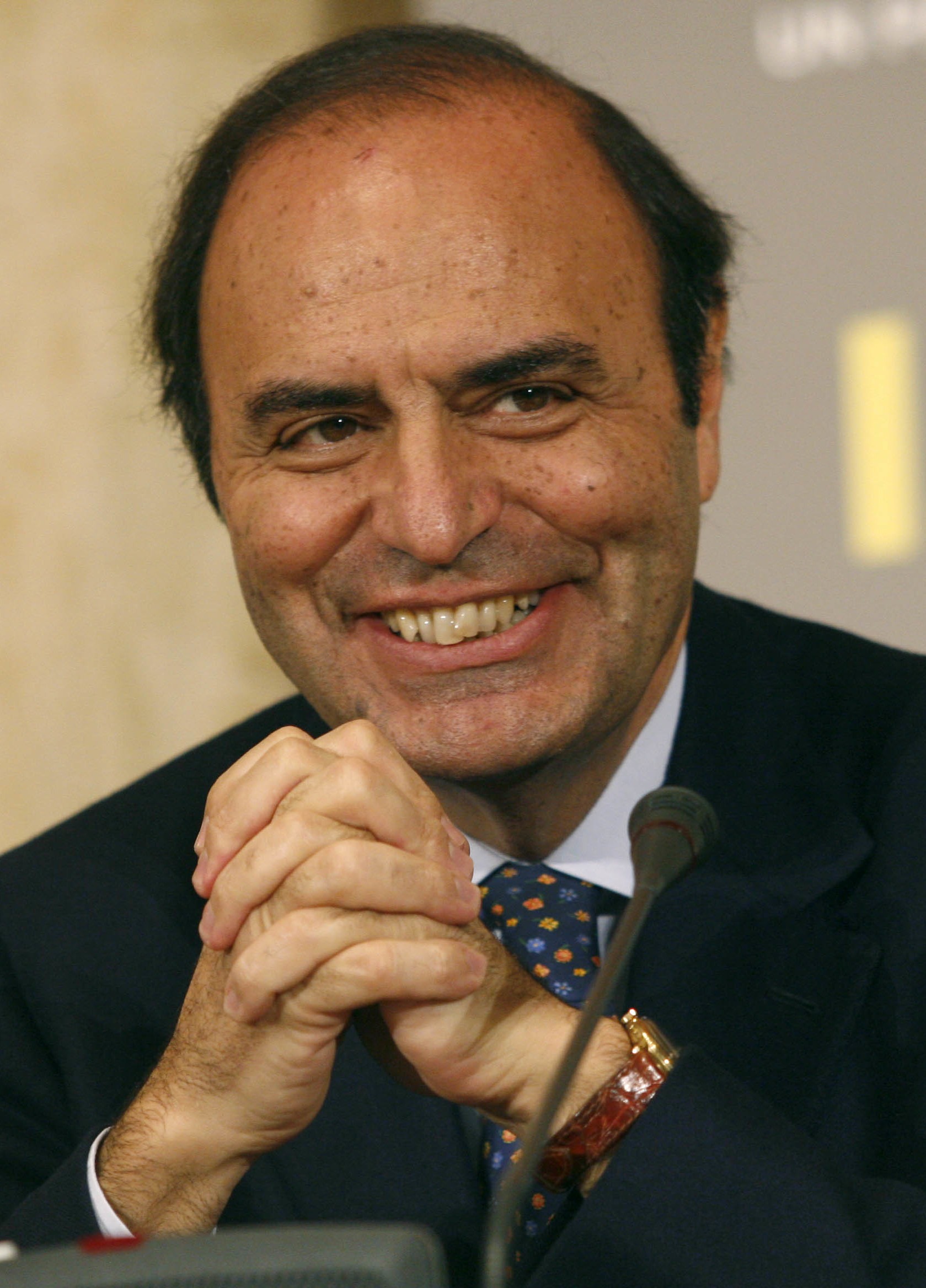
Bruno Vespa, born on May 27, 1944, in L’Aquila, Italy, is one of the most prominent figures in Italian journalism and television. Known for his extensive career as a journalist, television presenter, and author, Vespa has become a household name in Italy, particularly through his long-running political talk show, Porta a Porta. This article explores the life, career, and contributions of Bruno Vespa, providing insights into the milestones that have defined his journey to fame and his impact on Italian media and society.
Early Life and Career Beginnings
Bruno Vespa’s journey into the world of journalism began at an early age. Growing up in L’Aquila, Vespa showed an early interest in journalism, starting his career at just 16 years old with the local newspaper Il Tempo, where he worked in the Aquila bureau. His passion for journalism was evident from the beginning, and by the time he was 18, Vespa had already begun contributing to RAI, Italy’s national public broadcasting company.
Vespa pursued his education in law at the University of Rome, where he completed a thesis on the right to report, reflecting his deep interest in the legal and ethical dimensions of journalism. In 1968, at the age of 24, Vespa’s career took a significant leap forward when he won a national competition for radio and television commentators organized by RAI. His first assignment was with the Telegiornale, RAI’s main news program, marking the start of a distinguished career in broadcast journalism.
Rise to Prominence in Italian Television
Bruno Vespa’s career with RAI quickly gained momentum. Throughout the 1970s and 1980s, he covered major national and international events, establishing himself as one of Italy’s leading journalists. His reporting style, characterized by clarity, thoroughness, and a keen understanding of political dynamics, earned him the respect of both his peers and the public.
In 1990, Vespa was appointed as the director of TG1, RAI’s flagship news program. His tenure as director lasted until 1993, during which time he oversaw coverage of some of the most significant events in recent Italian history, including the Tangentopoli scandal and the subsequent political upheavals. Vespa’s leadership at TG1 solidified his reputation as a trusted voice in Italian journalism.
However, it was in 1996 that Vespa’s career took a turn that would make him a fixture in Italian households for decades to come. That year, he launched Porta a Porta, a late-night political talk show that would become one of the most influential programs on Italian television. The show, which airs on RAI 1, provides a platform for in-depth discussions on political, social, and cultural issues, often featuring prominent politicians, intellectuals, and public figures.
Porta a Porta: The “Third Chamber” of Italian Politics
Porta a Porta quickly earned the nickname “the third chamber of Italian politics,” reflecting its significant influence on public discourse and political debate in Italy. The program’s format, which combines interviews, panel discussions, and investigative reports, has made it a critical forum for political dialogue in the country.
Vespa’s role as the host of Porta a Porta has placed him at the center of Italian political life. Over the years, he has conducted interviews with every major Italian political figure, as well as numerous international leaders. The show has been the site of major political announcements, debates, and controversies, reinforcing its status as a key player in Italian media.
One of the most notable episodes of Porta a Porta was the 1998 interview with former Prime Minister Giulio Andreotti, who was facing charges of Mafia association. The interview was seen as a critical moment in Andreotti’s defense and demonstrated Vespa’s ability to navigate complex and sensitive political issues with skill and professionalism.
Writing Career: Chronicling Italian History and Politics
In addition to his work on television, Bruno Vespa is a prolific author, having written numerous books that delve into Italian history, politics, and society. His books often serve as comprehensive analyses of the political landscape, providing readers with an in-depth understanding of the forces shaping Italy.
Some of Vespa’s most successful books include E anche Leone votò Pertini (1981), which offers a detailed account of Italian politics during the presidency of Sandro Pertini, and Il duello (2000), which explores the rivalry between Silvio Berlusconi and his political opponents. His books are often bestsellers, reflecting his ability to translate complex political issues into accessible narratives for the general public.
In the 2010s, Vespa continued to publish books that garnered widespread attention. Titles such as Il Palazzo e la Piazza. Crisi, consenso e protesta da Mussolini a Beppe Grillo (2012) and Soli al comando. Da Stalin a Renzi, da Mussolini a Berlusconi, da Hitler a Grillo (2017) demonstrate his ongoing engagement with the evolution of Italian politics and his ability to provide historical context to contemporary events.
Vespa’s writing style is characterized by its journalistic rigor and attention to detail. His books often combine historical analysis with firsthand accounts, offering readers a unique perspective on the events that have shaped modern Italy. Through his writing, Vespa has established himself as not only a journalist but also a historian of contemporary Italy, documenting the country’s political and social transformations over the decades.
Controversies and Criticisms
Despite his success, Bruno Vespa has not been without his critics. His close relationships with political figures and the often deferential tone of his interviews have led some to accuse him of lacking journalistic impartiality. Critics argue that Porta a Porta sometimes serves as a platform for politicians to promote their agendas without facing rigorous scrutiny.
Additionally, Vespa’s decision to host controversial figures, including those associated with far-right movements, has sparked debates about the responsibilities of journalists in giving a voice to potentially harmful ideologies. Vespa has defended his approach, arguing that Porta a Porta is a forum for all viewpoints and that his role is to facilitate discussion rather than pass judgment.
Despite these controversies, Vespa’s influence in Italian media remains strong. His ability to attract high-profile guests and generate significant viewership for Porta a Porta is a testament to his enduring appeal and the central role he plays in the country’s political discourse.
Legacy and Impact on Italian Media
Bruno Vespa’s career has had a profound impact on Italian journalism and television. Through Porta a Porta, he has shaped the way political debate is conducted in Italy, creating a space where politicians and public figures can engage with the public on critical issues. His interviews and discussions have often set the agenda for national debates, influencing the direction of Italian politics.
Vespa’s legacy is also evident in the generation of journalists and television presenters who have followed in his footsteps. His approach to political journalism, which combines accessibility with depth, has become a model for others in the field. As a result, Vespa is widely regarded as one of the most influential figures in Italian media history.
In recognition of his contributions, Vespa has received numerous awards and honors throughout his career. These accolades reflect not only his skill as a journalist and presenter but also his impact on Italian society as a whole.
Conclusion
Bruno Vespa’s life and career offer a fascinating glimpse into the world of Italian journalism and politics. From his early days as a young reporter in L’Aquila to his role as the host of Porta a Porta, Vespa has consistently been at the forefront of Italy’s most important political and social developments. His work has provided Italians with a deeper understanding of their country’s political landscape, and his influence continues to be felt in the corridors of power and in homes across the nation.
As he continues to write, present, and engage with the public, Bruno Vespa remains a central figure in Italian media, embodying the role of a journalist who has not only reported on history but also played a part in shaping it. His contributions to journalism and television are a testament to the power of media in informing and influencing public opinion, and his legacy will undoubtedly endure for many years to come.


