
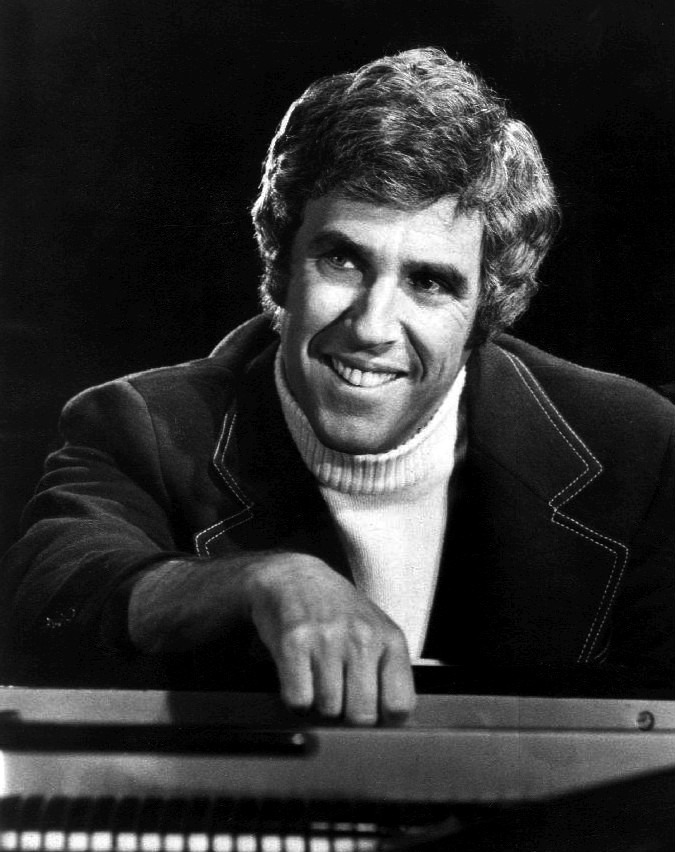
Burt Bacharach is a name that resonates deeply within the realms of popular music and film scoring. As one of the most influential composers and music producers of the 20th century, his contributions have shaped the soundscape of contemporary music. Known for his unique melodies, sophisticated harmonies, and innovative orchestrations, Bacharach’s work has earned him numerous accolades and a lasting legacy. This article delves into Burt Bacharach’s age, fame, and life highlights, providing detailed insights and explanations about his remarkable career and enduring impact on music.
Early Life and Education
Burt Freeman Bacharach was born on May 12, 1928, in Kansas City, Missouri. He grew up in a musical household; his mother was an amateur painter and songwriter who encouraged his musical pursuits. Bacharach’s early exposure to music, coupled with his classical piano lessons, laid the foundation for his future career. The family moved to Queens, New York, where he attended Forest Hills High School.
Bacharach’s passion for music was evident from an early age. He studied at the Mannes School of Music, McGill University in Montreal, and the Music Academy of the West in California. These institutions provided him with a rigorous musical education, exposing him to a wide range of musical styles and techniques. His classical training, combined with a love for jazz, significantly influenced his compositional style.
Early Career and Breakthrough
Burt Bacharach’s career began in the 1950s, working as a pianist and arranger for various artists, including Vic Damone, Polly Bergen, and Steve Lawrence. His big break came when he partnered with lyricist Hal David in 1957. This collaboration proved to be one of the most successful in music history, producing a string of hits that dominated the charts throughout the 1960s and 1970s.
Their first major success came with Marty Robbins’ “The Story of My Life” and Perry Como’s “Magic Moments” in 1957. These songs showcased Bacharach’s signature style, characterized by unusual chord progressions, syncopated rhythms, and sophisticated melodies. The partnership between Bacharach and David continued to flourish, leading to numerous timeless classics.
Iconic Hits and Musical Innovations
Burt Bacharach’s compositions during the 1960s and 1970s are some of the most enduring in popular music. His innovative use of unusual time signatures, lush orchestrations, and poignant melodies set his work apart from his contemporaries. Songs like “Walk On By,” “What the World Needs Now Is Love,” and “I Say a Little Prayer” became instant classics, performed by legendary artists such as Dionne Warwick, Dusty Springfield, and Aretha Franklin.
One of Bacharach’s most notable achievements was his ability to blend complex musical structures with accessible pop sensibilities. This unique approach not only appealed to mainstream audiences but also earned critical acclaim. His music often featured sophisticated arrangements that incorporated elements of jazz, classical, and bossa nova, creating a distinctive sound that was both innovative and timeless.
Film Scores and Broadway Success
In addition to his success in the pop music industry, Burt Bacharach made significant contributions to film and theater. His work in film scoring began with the 1967 movie “Casino Royale,” for which he composed the memorable song “The Look of Love,” performed by Dusty Springfield. This venture into film scoring showcased his versatility and ability to adapt his style to different media.
Bacharach’s collaboration with Hal David extended to Broadway with the 1968 musical “Promises, Promises,” based on the 1960 film “The Apartment.” The musical was a critical and commercial success, featuring hits like “I’ll Never Fall in Love Again” and the title song “Promises, Promises.” This success further solidified Bacharach’s reputation as a multifaceted composer capable of excelling in various musical genres.
Personal Life and Relationships
Burt Bacharach’s personal life has been as eventful as his professional career. He has been married four times and has four children. His first marriage to Paula Stewart ended in divorce, and he subsequently married actress Angie Dickinson in 1965. The couple had a daughter, Nikki Bacharach, who tragically passed away in 2007.
Bacharach’s third marriage was to lyricist Carole Bayer Sager, with whom he collaborated on several successful projects, including the hit song “That’s What Friends Are For.” His current marriage to Jane Hansen has brought stability, and the couple has two children, Oliver and Raleigh. Despite the ups and downs in his personal life, Bacharach’s resilience and passion for music have remained constant.
Challenges and Triumphs
Throughout his career, Burt Bacharach faced various challenges, including changing musical trends and personal hardships. However, his ability to adapt and reinvent himself allowed him to remain relevant in an ever-evolving industry. The 1980s and 1990s saw Bacharach collaborating with a new generation of artists, including Elvis Costello, with whom he recorded the critically acclaimed album “Painted from Memory” in 1998.
Bacharach’s ability to transcend musical boundaries and collaborate across genres has been a key factor in his enduring success. His work with contemporary artists introduced his music to younger audiences, ensuring that his legacy would continue to influence future generations of musicians.
Awards and Honors
Burt Bacharach’s contributions to music have been recognized with numerous awards and honors. He has won six Grammy Awards, including the prestigious Lifetime Achievement Award. His work in film has earned him three Academy Awards, including Best Original Song for “Raindrops Keep Fallin’ on My Head” from the film “Butch Cassidy and the Sundance Kid.”
In addition to these accolades, Bacharach was inducted into the Songwriters Hall of Fame in 1972 and the Rock and Roll Hall of Fame in 1990. His extensive catalog of hits and his impact on popular music have solidified his status as one of the most influential composers of the 20th century.
Historical Context and Nuances
Understanding Burt Bacharach’s contributions requires a consideration of the broader historical and cultural context of his time. The 1960s and 1970s were periods of significant social and cultural change, and Bacharach’s music often reflected the optimism and complexity of these times. His sophisticated arrangements and innovative use of harmony and rhythm distinguished his work from the more straightforward pop songs of the era.
Bacharach’s partnership with Hal David was particularly significant in shaping the sound of this period. Together, they created songs that addressed universal themes of love, heartbreak, and hope, resonating with audiences across different generations. Their collaboration is a testament to the power of synergy in the creative process, combining Bacharach’s musical genius with David’s lyrical prowess.
Influence and Legacy
Burt Bacharach’s influence on the world of music is profound and far-reaching. His innovative approach to composition has inspired countless musicians and composers. Artists across various genres have covered his songs, demonstrating the versatility and timeless appeal of his work.
Bacharach’s music has also had a significant impact on film and television, with his songs being featured in numerous movies and commercials. His ability to convey emotion through music has made his work particularly effective in enhancing the narrative of visual media.
Modern Relevance and Continuing Impact
In today’s music landscape, Burt Bacharach’s work continues to be relevant and influential. His timeless melodies and sophisticated arrangements resonate with new generations of listeners and musicians. Contemporary artists often cite Bacharach as an inspiration, and his songs are frequently covered and sampled in modern music.
Bacharach’s dedication to his craft and his ability to adapt to changing musical trends have ensured that his legacy endures. His contributions to music and film remain benchmarks of excellence, inspiring future generations to explore new creative possibilities.
Conclusion
Burt Bacharach’s life and career are a testament to his extraordinary talent, resilience, and innovative spirit. From his early days as a pianist and arranger to his rise as one of the most influential composers of the 20th century, Bacharach’s journey is marked by significant achievements and an enduring impact on the world of music. His ability to blend complex musical structures with accessible pop sensibilities has left a lasting legacy that continues to inspire and resonate.
As we reflect on Burt Bacharach’s contributions, it is clear that his work extends far beyond the charts and accolades. He has touched the lives of millions with his music, creating timeless pieces that speak to the human experience. His legacy is one of innovation, creativity, and a deep understanding of the power of music to connect and inspire.
Burt Bacharach’s influence on contemporary music and popular culture is profound and enduring. His compositions remain relevant, resonating with audiences of all ages and backgrounds. As we celebrate his life and achievements, we are reminded of the transformative power of music and the enduring legacy of one of its greatest composers.


