
Introduction
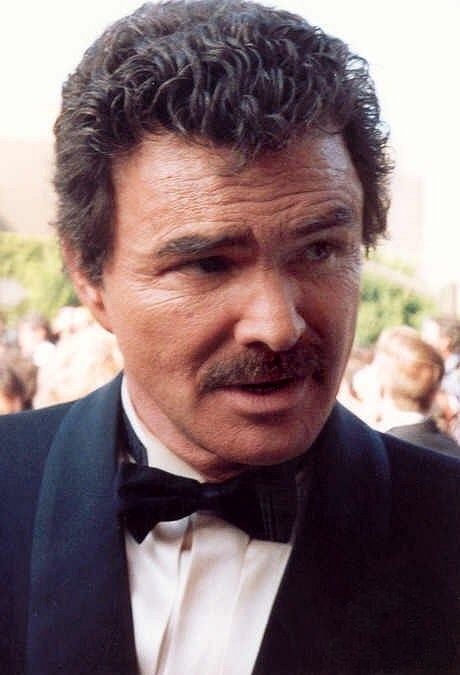
Burt Reynolds, an iconic figure in American cinema, was more than just a Hollywood actor. He embodied an era, a style, and a persona that left an indelible mark on the entertainment industry. Born as Burton Leon Reynolds Jr. on February 11, 1936, in Lansing, Georgia, Reynolds’ journey to stardom was as eventful and dramatic as the roles he played on screen. His life, marked by significant highs and lows, reflects the quintessential American story of perseverance, reinvention, and resilience.
Early Life and Influences
Burt Reynolds was born into a middle-class family. His father, Burton Milo Reynolds, was a police officer who later became the chief of police in Riviera Beach, Florida, where the family relocated when Burt was ten. This move to Florida would shape much of Reynolds’ formative years. Growing up, he was known for his athleticism and was a standout football player during his high school years at Palm Beach High School.
Reynolds’ early aspirations were not in acting but in sports. He attended Florida State University on a football scholarship and joined the Phi Delta Theta fraternity. However, an unfortunate car accident exacerbated a previous injury, cutting short his dreams of a professional football career. This life-altering event would lead him down a different path—a path that eventually led to Hollywood.
The Beginnings of a Hollywood Career
After his football career ended, Reynolds considered following in his father’s footsteps by joining the police force. However, his father encouraged him to continue his education. It was at Palm Beach Junior College where Reynolds met Watson B. Duncan III, a professor who saw potential in him and persuaded him to audition for a play. This marked the beginning of Reynolds’ interest in acting.
Reynolds’ early acting career was a mix of stage and television work. His first significant break came in the late 1950s when he won the Florida State Drama Award, which propelled him to pursue acting professionally. During the early 1960s, Reynolds started to gain recognition with roles in television series and low-budget films. However, it was his role in the 1966 spaghetti western “Navajo Joe” that began to put him on the map, even though he would later criticize the film as one of the worst of his career.
Rise to Stardom in the 1970s
The 1970s was the decade that solidified Burt Reynolds as a major Hollywood star. He starred in a series of successful films that showcased his versatility and charisma. One of the most significant films of his career was “Deliverance” (1972), directed by John Boorman. The film, which dealt with the harrowing experiences of four men on a canoe trip in rural Georgia, was both a critical and commercial success. Reynolds’ performance as Lewis Medlock, a rugged outdoorsman, earned him widespread acclaim and established him as a leading man in Hollywood.
Another major milestone in Reynolds’ career during the 1970s was his role in “Smokey and the Bandit” (1977), directed by Hal Needham. The film, a light-hearted action-comedy about a truck driver smuggling beer across state lines, was a box office hit and became a cultural phenomenon. Reynolds’ portrayal of the charming and rebellious “Bandit” made him a household name and solidified his status as a sex symbol.
During this period, Reynolds also ventured into directing. His directorial debut came with “Gator” (1976), a sequel to “White Lightning” (1973), in which he also starred. Though his directorial efforts received mixed reviews, they demonstrated his willingness to take risks and expand his artistic horizons.
Challenges and Reinventions in the 1980s
The 1980s were a period of both professional success and personal challenges for Burt Reynolds. He continued to star in successful films such as “The Cannonball Run” (1981) and its sequel, “The Cannonball Run II” (1984). These films, known for their ensemble casts and high-octane action, were commercially successful and added to Reynolds’ star power.
However, not all of his projects during this decade were successful. Films like “City Heat” (1984) and “Stick” (1985) failed to resonate with audiences, and Reynolds’ career began to show signs of decline. Additionally, his personal life became increasingly tumultuous. In 1988, Reynolds married actress Loni Anderson, with whom he adopted a son, Quinton. The marriage, however, was short-lived, and their highly publicized divorce in 1993 added to his woes.
Despite these challenges, Reynolds showed resilience. He took on roles that were outside his usual repertoire, such as his performance in the critically acclaimed film “Boogie Nights” (1997), directed by Paul Thomas Anderson. In “Boogie Nights,” Reynolds played Jack Horner, a pornographic filmmaker. The role earned him an Academy Award nomination for Best Supporting Actor and was seen as a remarkable comeback in his career.
Later Years and Legacy
As Reynolds moved into the later stages of his career, he continued to work, albeit with fewer high-profile roles. He appeared in films such as “The Longest Yard” (2005), a remake of his 1974 film, where he played a different character from the one he originally portrayed. Reynolds also made appearances in various television shows, including guest spots on popular series like “My Name Is Earl” and “Burn Notice.”
In 2017, Reynolds starred in “The Last Movie Star,” a film that reflected on his own life and career. The film, directed by Adam Rifkin, was a poignant look at an aging star coming to terms with his legacy and the passage of time. It was a fitting final role for Reynolds, who had spent his life in the spotlight.
Burt Reynolds passed away on September 6, 2018, at the age of 82, due to a heart attack. His death marked the end of an era, but his legacy continues to live on through the countless films and performances that have become an integral part of American pop culture.
Historical Context and Impact on American Cinema
Burt Reynolds’ career spanned several decades, and his impact on American cinema is undeniable. He emerged during a time when Hollywood was transitioning from the Golden Age to the New Hollywood era, characterized by a shift towards more experimental and auteur-driven filmmaking. Reynolds’ roles often embodied the spirit of rebellion and independence that defined the 1970s, a decade marked by political and social upheaval in the United States.
Reynolds was also one of the first actors to successfully bridge the gap between television and film. In the early stages of his career, he appeared in numerous television series, which helped him build a solid fan base. His transition to film was seamless, and he quickly became one of the most bankable stars of his time.
Moreover, Reynolds’ persona—charismatic, confident, and often irreverent—resonated with audiences. He represented a form of masculinity that was both rugged and charming, a combination that made him a favorite among both male and female viewers. His mustachioed image became iconic, and he was frequently imitated but never replicated.
Conclusion
Burt Reynolds was more than just a Hollywood star; he was a cultural icon whose influence extended beyond the silver screen. His life and career were marked by incredible highs and devastating lows, but through it all, he remained a beloved figure in American entertainment. Reynolds’ legacy is one of resilience, talent, and an enduring connection with his audience. As we reflect on his life and achievements, it is clear that Burt Reynolds will forever be remembered as one of the greats in the history of American cinema.


