
Introduction
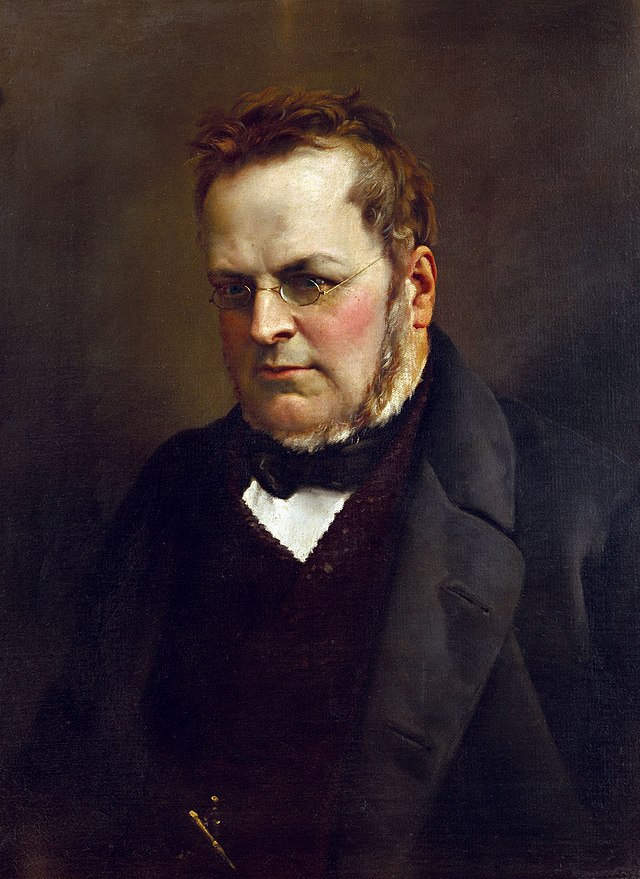
Camillo Paolo Filippo Giulio Benso, known as the Count of Cavour, was one of the most prominent figures in the history of Italy. Born on August 10, 1810, in Turin, then part of the Napoleonic Empire, Cavour is often recognized as the architect of Italian unification. His life and career were marked by significant contributions to the political, economic, and social spheres of 19th-century Italy, shaping the course of the nation’s history. This article delves into his life, exploring his early years, his rise to political prominence, and his enduring legacy.
Early Life and Education
Camillo Benso was born into a noble family, the second son of the Marquis Michele Benso and Adele de Sellon, a Genevan aristocrat. His early years were spent in an environment of privilege, but also of rigorous education. Cavour’s military career began early; he entered the Royal Academy of Turin at the age of ten. However, his true passion lay in the study of politics and economics, subjects that would later define his career.
After leaving the military in 1831, Cavour embarked on a journey across Europe. This period was crucial in shaping his political and economic ideologies. He was particularly influenced by the liberal economies of Britain and the industrial advancements in France and Switzerland. These experiences instilled in him a firm belief in the principles of economic liberalism and the importance of a constitutional government.
The Beginnings of Political Involvement
Upon his return to Piedmont in 1835, Cavour turned his attention to agriculture and economic development. He was instrumental in modernizing the agricultural sector, introducing new techniques and promoting the use of chemical fertilizers. His success in business and agriculture quickly made him one of the wealthiest men in Piedmont.
Cavour’s political career began in earnest with the founding of the newspaper Il Risorgimento in December 1847. This publication became a platform for advocating political reform and national unification. Cavour believed that the development of a strong, unified state was essential for Italy’s economic and social progress. His ideas resonated with many, and he soon emerged as a leading figure in the movement for Italian unification.
Rise to Political Power
Cavour’s rise to political prominence was swift. In 1850, he was appointed Minister of Agriculture, Commerce, and the Navy in the government of Massimo d’Azeglio. His policies in this role were focused on economic modernization. He promoted free trade, negotiated commercial treaties with France, Belgium, and the Netherlands, and worked to modernize the country’s infrastructure.
In 1852, Cavour was appointed Minister of Finance. His tenure in this role was marked by significant reforms, including the introduction of a more equitable tax system and the establishment of a national bank. These measures helped to stabilize the economy and laid the groundwork for further development.
By November 1852, Cavour had become the Prime Minister of Piedmont-Sardinia. His leadership was characterized by a clear and ambitious political vision. He aimed to transform Piedmont into a constitutional state that could lead the unification of Italy. Despite facing opposition from both the political left and right, Cavour pursued his goals with determination.
Domestic and Foreign Policy Achievements
Cavour’s domestic policies were focused on economic modernization and political liberalization. He believed that economic progress was essential for political stability and worked tirelessly to modernize Piedmont’s economy. His efforts included the expansion of the railway network, the development of new industries, and the promotion of free trade. These policies not only strengthened the economy but also helped to create a more modern and dynamic society.
Cavour’s foreign policy was equally ambitious. He recognized that Piedmont could not achieve Italian unification alone and sought alliances with other European powers. His diplomatic skills were put to the test in 1858 when he negotiated an alliance with Napoleon III of France. The agreement, known as the Pact of Plombières, provided for French support in the event of a war with Austria, which then controlled much of northern Italy.
The subsequent Second Italian War of Independence in 1859 resulted in the liberation of Lombardy from Austrian rule. However, the terms of the peace settlement left Cavour dissatisfied. He resigned in protest but was soon recalled to office as the unification movement gained momentum.
The Road to Italian Unification
Cavour’s return to power in 1860 marked a turning point in the unification movement. The successes of Giuseppe Garibaldi’s expedition in southern Italy created an opportunity for further territorial expansion. Cavour skillfully managed the political situation, orchestrating the annexation of the central Italian states and ensuring the incorporation of the southern territories into the Kingdom of Sardinia.
One of Cavour’s most significant achievements was the diplomatic maneuvering that led to the annexation of the Papal States, excluding Rome. His ability to balance the interests of the various Italian states and foreign powers was crucial in the final stages of unification.
The culmination of Cavour’s efforts came on March 17, 1861, with the proclamation of the Kingdom of Italy. Victor Emmanuel II was declared the first king of a united Italy, and Cavour became its first Prime Minister. However, Cavour’s triumph was short-lived; he died on June 6, 1861, just a few months after the unification.
Legacy and Impact
Camillo Benso conte di Cavour’s legacy is immense. He is widely regarded as the architect of Italian unification, a statesman whose vision and determination helped to create a modern, unified Italy. His policies laid the foundation for the country’s economic development and political stability, and his diplomatic skills ensured that Italy could emerge as a significant power in Europe.
Cavour’s contributions extended beyond the borders of Italy. His ideas on economic liberalism, constitutional government, and political reform influenced many other countries in Europe and beyond. His legacy is a testament to the power of vision and determination in shaping the course of history.
Conclusion
Camillo Benso conte di Cavour was a man of extraordinary vision and determination. His life and career were marked by a commitment to the principles of liberalism, economic progress, and national unity. Through his efforts, Italy was transformed from a collection of fragmented states into a unified nation. Cavour’s legacy continues to inspire, reminding us of the importance of leadership, vision, and the relentless pursuit of progress.


