
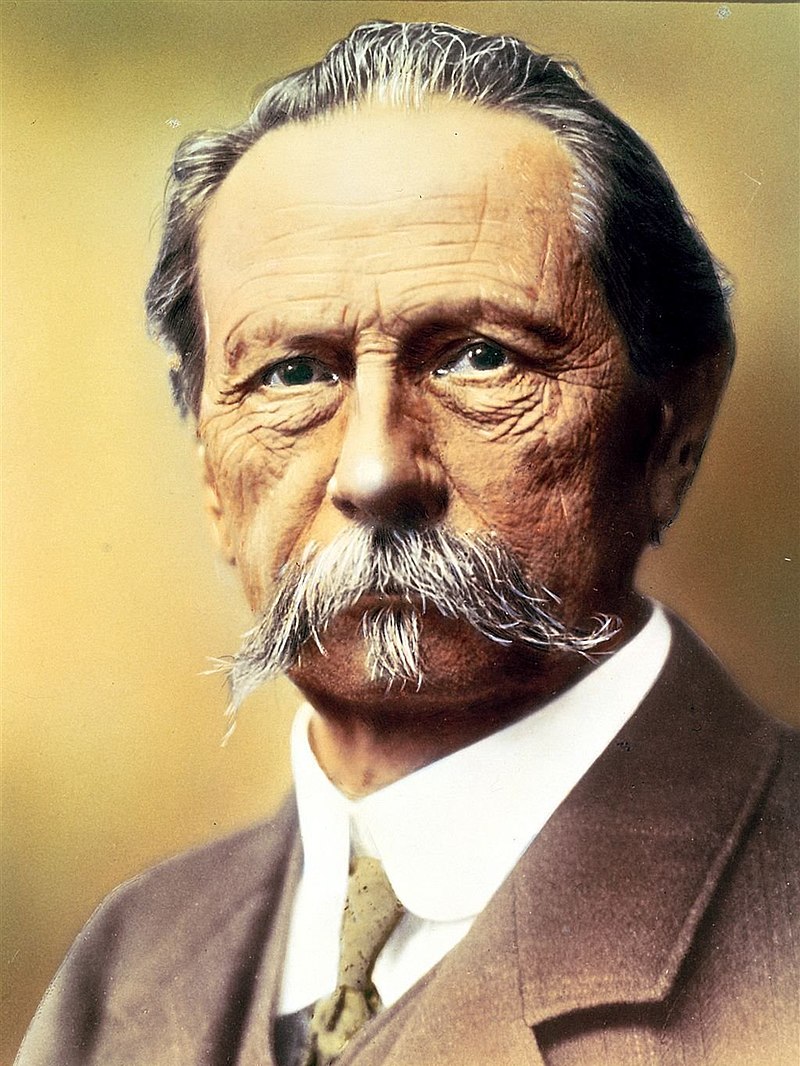
Carl Benz, born Karl Friedrich Benz on November 25, 1844, in Karlsruhe, Germany, is often hailed as the inventor of the first automobile. His pioneering work in automotive engineering has left an indelible mark on history, shaping the modern world in ways that continue to resonate today. This article delves into the life, achievements, and enduring legacy of Carl Benz, exploring his journey from humble beginnings to becoming a celebrated inventor.
Early Life and Education
Carl Benz was born to Josephine Vaillant and Johann Georg Benz. Tragically, his father, a railway engineer, passed away when Carl was only two years old. Despite financial hardships, his mother was determined to provide him with a good education. Her efforts bore fruit when Carl graduated from the Karlsruhe Polytechnic School in 1864.
Early Career
After completing his education, Benz began his career as an apprentice at the Karlsruhe Mechanical Engineering Company. His talents quickly became evident, and he soon moved on to work in various engineering roles. By 1869, he had become a director at a bridge-building company in Pforzheim. This period marked the beginning of Benz’s lifelong commitment to innovation and mechanical engineering.
Marriage and Family
In Pforzheim, Benz met Bertha Ringer, who would play a crucial role in his future endeavors. The couple married on July 20, 1872, and had five children: Eugen, Richard, Klara, Thilde, and Ellen. Bertha’s unwavering support and belief in Carl’s vision were instrumental in his subsequent achievements.
The Birth of the Automobile
Initial Struggles
Benz’s early ventures into entrepreneurship were fraught with challenges. His first business partnership ended in failure, leading him to establish the Karl Benz Iron Foundry and Mechanical Workshop with financial help from Bertha’s dowry. However, this venture also faced difficulties, culminating in significant financial losses.
Breakthrough with the Gas Engine
Undeterred, Benz turned his attention to developing gas engines. After years of experimentation and financial strain, he successfully created a two-stroke engine in 1879. This achievement led to the founding of the Mannheim Gas Engine Factory, which, despite early financial troubles, laid the groundwork for future successes.
The Patent Motorwagen
In 1885, Benz developed the Benz Patent Motorwagen, widely regarded as the world’s first true automobile. This three-wheeled vehicle featured a four-stroke engine, a revolutionary design that set it apart from other inventions of the time. Bertha Benz’s historic long-distance journey in the Motorwagen in 1888 demonstrated the vehicle’s practicality and potential, leading to its commercial success.
Later Innovations and Legacy
Continued Innovations
Following the success of the Patent Motorwagen, Benz continued to innovate. He introduced the Benz Victoria and Benz Velo, which became popular models in the burgeoning automobile market. His designs laid the foundation for the modern automobile industry, influencing countless future developments.
Formation of Daimler-Benz
In 1926, Benz’s company merged with Daimler-Motoren-Gesellschaft, founded by fellow pioneer Gottlieb Daimler, to form Daimler-Benz AG. This merger marked the creation of the iconic Mercedes-Benz brand, a testament to the enduring impact of Benz’s work.
Recognition and Honors
Carl Benz’s contributions to engineering and transportation were widely recognized. In 1914, he received an honorary doctorate from the Karlsruhe Polytechnic School, acknowledging his significant achievements. His legacy was further cemented by the continued success and innovation of the Mercedes-Benz brand.
Historical Context and Impact
The Industrial Revolution
Benz’s life and work must be understood within the broader context of the Industrial Revolution, a period marked by rapid technological advancements and societal changes. His inventions were both a product of and a catalyst for this transformative era, contributing to the rise of modern industrial society.
The Automobile’s Societal Impact
The invention of the automobile revolutionized transportation, making it faster, more efficient, and accessible to a broader population. Benz’s work played a crucial role in this transformation, paving the way for the mass production of vehicles and the development of global automotive industries.
Personal Life and Death
Carl Benz’s personal life was marked by resilience and dedication. Despite numerous setbacks and challenges, he remained committed to his vision of innovation. His partnership with Bertha Benz was a cornerstone of his success, exemplifying the importance of support and collaboration in achieving great feats.
Benz passed away on April 4, 1929, in Ladenburg, Germany, at the age of 84. His death was caused by complications from a bronchial illness. However, his legacy lives on, both through the continued prominence of the Mercedes-Benz brand and the enduring influence of his pioneering work.
Conclusion
Carl Benz’s life story is a testament to the power of innovation, perseverance, and the transformative impact of technology. From his early struggles to his groundbreaking inventions and lasting legacy, Benz’s contributions have shaped the modern world in profound ways. His journey from a small town in Germany to becoming a global icon of automotive engineering serves as an inspiration, reminding us of the potential for greatness that lies within each of us.
By understanding the life and achievements of Carl Benz, we gain not only insight into the history of the automobile but also a deeper appreciation for the spirit of ingenuity and determination that drives human progress. Benz’s legacy continues to inspire future generations of engineers, inventors, and dreamers, ensuring that his contributions will never be forgotten.


