
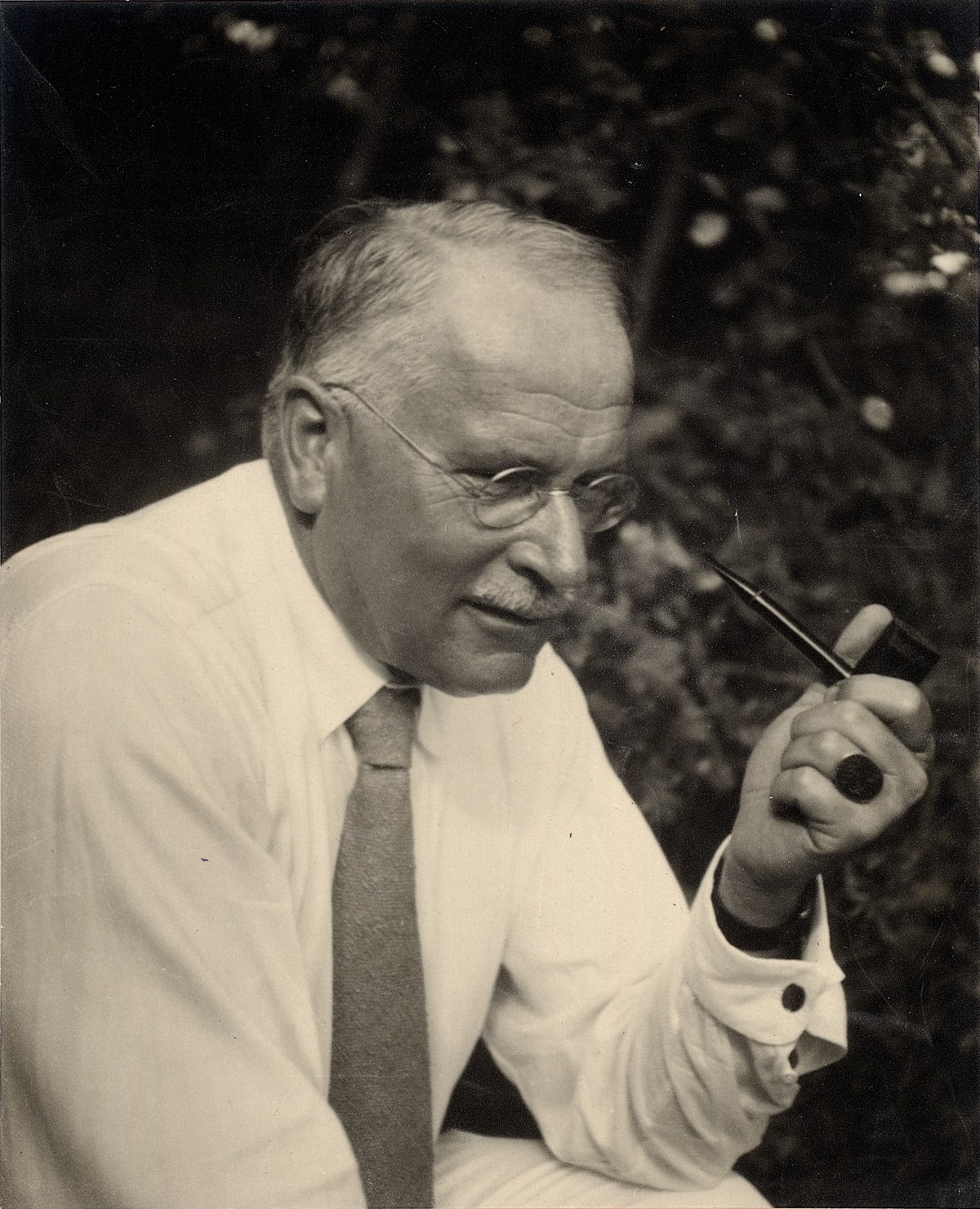
Carl Gustav Jung, a Swiss psychiatrist and psychoanalyst, is one of the most influential figures in the field of psychology. Born on July 26, 1875, in Kesswil, Switzerland, Jung’s contributions to psychology extend far beyond the boundaries of his time. His work has profoundly shaped our understanding of the human mind, and his theories continue to influence psychological practice and research today.
Early Life and Education
Jung was born into a Protestant family, the son of a pastor. This religious background would later influence his work, especially his interest in the mystical and spiritual dimensions of the human psyche. His early education took place in Switzerland, where he pursued a degree in medicine. His medical studies introduced him to psychiatry, a field that would become his lifelong passion.
In 1900, after completing his medical degree, Jung began working at the Burghölzli Psychiatric Hospital in Zurich. It was here that he first encountered the work of Sigmund Freud, the father of psychoanalysis. Jung was deeply influenced by Freud’s ideas and became one of his most promising students.
Collaboration and Divergence with Freud
Jung and Freud’s relationship was one of mutual respect and admiration. Freud saw Jung as his intellectual heir, and Jung, in turn, was fascinated by Freud’s theories on the unconscious mind. However, as their collaboration deepened, fundamental differences in their approaches to psychology began to emerge.
Freud’s theories were rooted in the idea that human behavior is primarily driven by sexual and aggressive instincts. Jung, however, believed that the human psyche was far more complex. He proposed that the unconscious mind contains not only repressed desires but also a wealth of archetypal symbols and myths that are common to all human beings.
In 1912, Jung published his seminal work, Transformations and Symbols of the Libido, which marked a clear break from Freud’s psychoanalytic theory. This book introduced the concept of the collective unconscious, a shared reservoir of experiences and memories that Jung believed was inherited by all humans. This idea was in stark contrast to Freud’s focus on individual unconscious processes and led to the eventual rupture in their relationship.
Development of Analytical Psychology
After his split with Freud, Jung went on to develop his own school of thought, which he called analytical psychology. Analytical psychology differs from Freud’s psychoanalysis in several key ways. While Freud focused on the role of repressed desires and childhood experiences, Jung’s approach was more holistic. He believed that understanding the human psyche required exploring not just the individual’s personal unconscious but also the collective unconscious.
The collective unconscious, according to Jung, is made up of archetypes, or universal symbols and patterns that recur across different cultures and historical periods. These archetypes include figures like the hero, the mother, and the shadow, and they play a crucial role in shaping human behavior and experience.
Jung’s interest in mythology, religion, and alchemy also set him apart from Freud. He believed that these ancient traditions contained valuable insights into the workings of the human mind. Jung’s exploration of these themes led him to develop the concept of individuation, the process by which an individual becomes more fully themselves by integrating the different aspects of their personality.
Key Works and Contributions
Jung’s body of work is vast and varied, reflecting his wide-ranging interests. Some of his most significant contributions to psychology include:
-
The Theory of Archetypes: Jung’s theory of archetypes is one of his most well-known contributions to psychology. He identified several key archetypes, including the persona, the shadow, the anima/animus, and the self. These archetypes, Jung believed, are universal and can be found in the myths, dreams, and art of all cultures.
-
The Collective Unconscious: Jung’s concept of the collective unconscious expanded the scope of psychology beyond the individual to include the shared experiences of humanity. This idea has had a profound influence on fields like anthropology, literature, and religious studies.
-
Individuation: Jung believed that the goal of psychological development is individuation, or the process of becoming more fully oneself. This involves integrating the different aspects of the personality, including the conscious and unconscious mind, the personal and collective unconscious, and the masculine and feminine aspects of the psyche.
-
Synchronicity: In the 1950s, Jung introduced the concept of synchronicity, the idea that events can be meaningfully connected even if they do not have a causal relationship. This concept challenged the traditional scientific view of cause and effect and opened up new possibilities for understanding the interconnectedness of the universe.
-
Psychological Types: Jung’s book Psychological Types, published in 1921, introduced the concept of introversion and extraversion, as well as the four psychological functions: thinking, feeling, sensation, and intuition. These ideas have had a lasting impact on personality psychology and are the basis for the widely used Myers-Briggs Type Indicator (MBTI).
Later Life and Legacy
Jung’s later years were marked by continued intellectual exploration and personal reflection. He traveled extensively, visiting places like Africa, India, and North America, where he studied the myths, rituals, and customs of different cultures. These experiences deepened his understanding of the collective unconscious and the universality of archetypal patterns.
In 1944, Jung published Psychology and Alchemy, a work that explored the connections between alchemical symbolism and the processes of the human psyche. This book, along with his later works, reflected his growing interest in the spiritual and mystical dimensions of psychology.
Jung’s influence extended beyond psychology into fields like art, literature, and religious studies. His ideas have been taken up by thinkers in a wide range of disciplines, and his work continues to be a source of inspiration for those interested in the deeper aspects of the human experience.
Controversies and Criticisms
While Jung’s contributions to psychology are widely recognized, his work has also been the subject of criticism. Some scholars have questioned the scientific basis of his theories, particularly his concepts of the collective unconscious and synchronicity. Others have criticized Jung for his associations with controversial figures and movements, such as his brief involvement with the German Society for Psychotherapy during the Nazi era.
Despite these controversies, Jung’s work remains influential. His ideas have sparked debate and discussion, and his legacy continues to be a subject of study and interpretation.
Conclusion
Carl Gustav Jung was a pioneering thinker whose work has had a lasting impact on the field of psychology and beyond. His exploration of the unconscious mind, his development of analytical psychology, and his interest in mythology, religion, and alchemy have all contributed to a deeper understanding of the human psyche.
Jung’s legacy is one of intellectual curiosity, creativity, and a deep respect for the mysteries of the human mind. His ideas continue to resonate with those who seek to understand the deeper dimensions of the human experience, and his work remains a vital part of the ongoing conversation about what it means to be human.


