
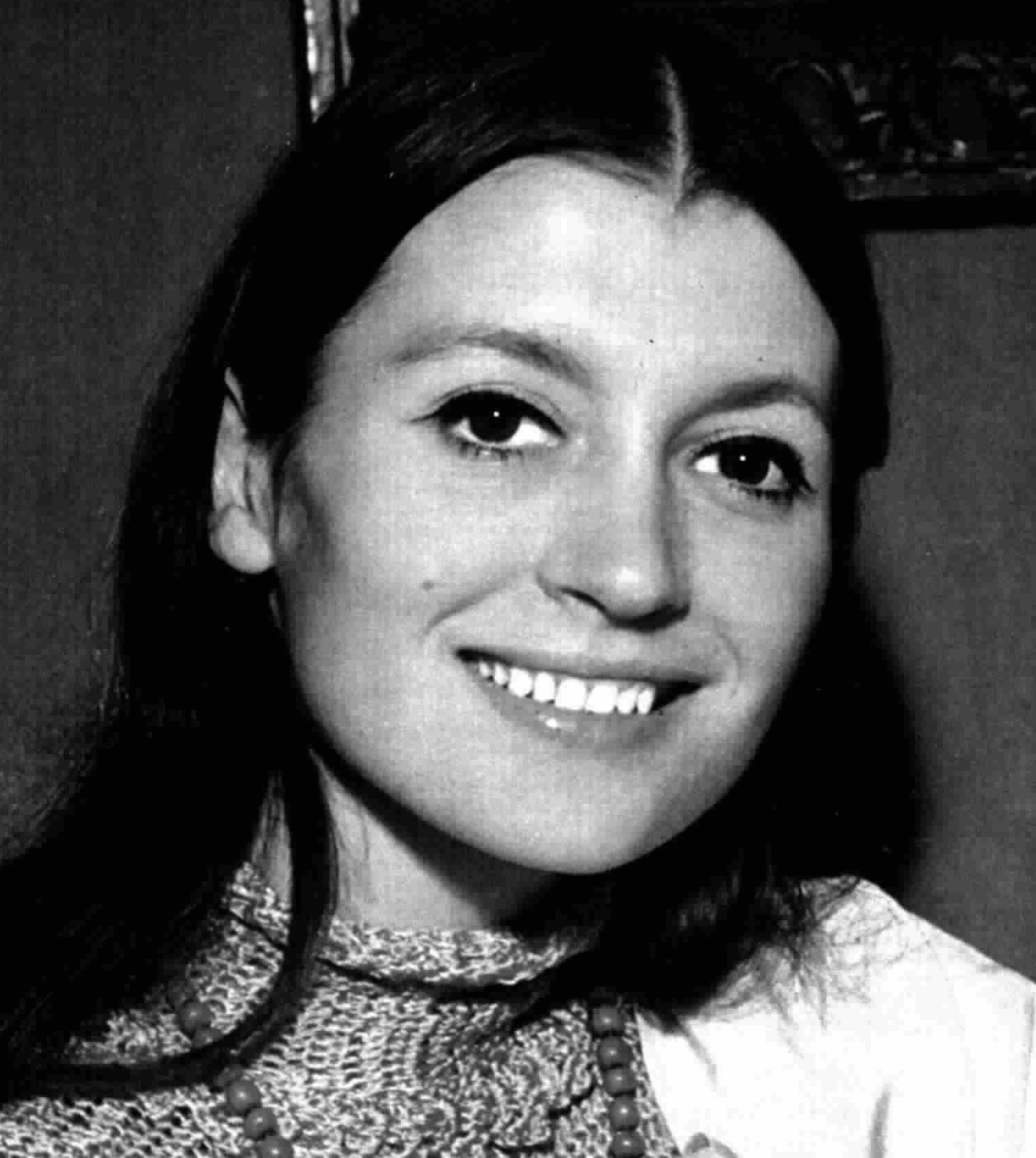
Carla Fracci was a name that resonated far beyond the borders of Italy, echoing in the grandest theaters and the hearts of ballet enthusiasts worldwide. Born on August 20, 1936, in Milan, Italy, Carla Fracci grew up to become one of the most revered and iconic ballerinas in the history of classical dance. Her journey from a modest upbringing to becoming a global symbol of grace and artistry is nothing short of inspiring.
Early Life and Beginnings
Carla Fracci’s early life was far removed from the glitter and glamour of the stage. She was born into a working-class family, her father a tram driver for the Milanese Transportation Company (ATM). The outbreak of World War II saw her family displaced to the countryside, where they endured the hardships of wartime Italy. Despite these challenges, it was during these formative years that Fracci’s natural talent for dance began to emerge, although she herself never aspired to become a ballerina. Her early life was marked by simplicity—her games were with farm animals, and toys were scarce.
It was an unexpected turn of events that led her to the world of ballet. An acquaintance of her family suggested that she try out for the prestigious dance school at La Scala in Milan. Despite not fitting the conventional mold of a young ballerina, she was accepted into the school, where her journey in dance truly began. This marked the beginning of a career that would see her dominate the global stage.
Rise to Stardom
Fracci’s ascent in the world of ballet was swift and extraordinary. After joining the La Scala Theatre Ballet, she quickly progressed from a soloist in 1956 to becoming a prima ballerina just two years later, in 1958. Her performances were characterized by a unique combination of technical precision and expressive emotion, which made her a favorite among audiences and critics alike.
The 1950s and 1960s were a period of intense artistic development for Fracci. She honed her craft by participating in advanced training programs in London, Paris, and New York, where she worked with some of the most renowned choreographers and dancers of the time, including the legendary Russian choreographer Vera Volkova. Her talent and hard work soon earned her international acclaim, and she began performing with some of the most prestigious ballet companies around the world, including the London Festival Ballet, the Royal Ballet, and the American Ballet Theatre.
Defining Roles and Collaborations
Carla Fracci’s fame is inextricably linked to her interpretations of romantic and classical ballet roles. She became particularly renowned for her portrayal of Giselle, a role that many consider the pinnacle of her career. Her partnership with the Danish dancer Erik Bruhn in the role of Giselle and Albrecht was particularly celebrated, and their performance was immortalized in a film version of the ballet in 1969. This role showcased her ability to convey deep emotion and storytelling through dance, cementing her status as one of the greatest ballerinas of her time.
Beyond Giselle, Fracci’s repertoire included other iconic roles such as Juliet in “Romeo and Juliet,” Swanilda in “Coppélia,” and Francesca in “Francesca da Rimini.” Her collaborations with other legendary dancers like Rudolf Nureyev, Mikhail Baryshnikov, and Vladimir Vasiliev further enhanced her reputation. These partnerships were not just performances but were seen as the coming together of great artistic minds, creating ballet performances that were as much about the chemistry between the dancers as about the choreography itself.
Expanding the Reach of Ballet
One of the most remarkable aspects of Carla Fracci’s career was her commitment to making ballet accessible to a broader audience. While she graced the stages of the most prestigious opera houses and theaters around the world, she was equally passionate about bringing ballet to the people. She performed in unconventional venues such as churches, piazzas, and even circus tents. This dedication to decentralizing ballet from its traditional elite settings and bringing it to rural and underserved communities was pioneering. She believed that art should be accessible to all, not just a privileged few, and her efforts in this regard were widely recognized and appreciated.
Fracci’s philosophy of bringing ballet to the masses was not without its challenges. She often faced criticism from her peers and even from some of her contemporaries, who questioned the value of performing in non-traditional venues. However, Fracci remained undeterred. She believed that the essence of dance and its ability to communicate emotions transcended the physical space in which it was performed. This commitment to accessibility was perhaps one of the most enduring aspects of her legacy.
Later Career and Legacy
As she entered the later stages of her career, Carla Fracci did not slow down. In the late 1980s, she took on the role of director of the ballet company at the Teatro San Carlo in Naples, alongside Gheorghe Iancu. Her influence extended beyond performance as she became a mentor to younger dancers, passing on the wisdom and techniques she had accumulated over decades.
In 1994, she was inducted into the Accademia di Belle Arti di Brera, a recognition of her contributions not only to dance but to Italian culture as a whole. A year later, she was elected president of the environmental organization Altritalia Ambiente, showcasing her commitment to social causes beyond the arts.
Her later years were marked by a series of honors and roles that underscored her status as a cultural icon. In 2003, she was awarded the title of Cavaliere di Gran Croce, one of Italy’s highest honors. She continued to perform, albeit in less physically demanding roles, well into her seventies. Alongside her husband, Beppe Menegatti, who directed many of the productions in which she starred, Fracci also took on the role of director of the ballet company at the Rome Opera House.
Her influence extended into the political realm when, in 2009, she accepted the role of Cultural Advisor for the Province of Florence. This position allowed her to further advocate for the arts and culture, demonstrating her belief in the importance of integrating the arts into public life.
The Final Curtain
Carla Fracci’s death on May 27, 2021, marked the end of an era. At the age of 84, she left behind a legacy that few in the world of ballet could match. Her passing was mourned not just by the dance community but by admirers of the arts across the globe. Fracci’s life was a testament to the power of perseverance, the importance of accessibility in the arts, and the enduring impact of a life dedicated to cultural enrichment.
Her story is not just one of personal achievement but also one of breaking down barriers in the arts. She challenged the traditional boundaries of ballet, pushing the art form beyond the gilded confines of opera houses and into the lives of ordinary people. Carla Fracci’s life and career remain a powerful reminder of the transformative power of art and the enduring legacy of those who dedicate their lives to its pursuit.


