
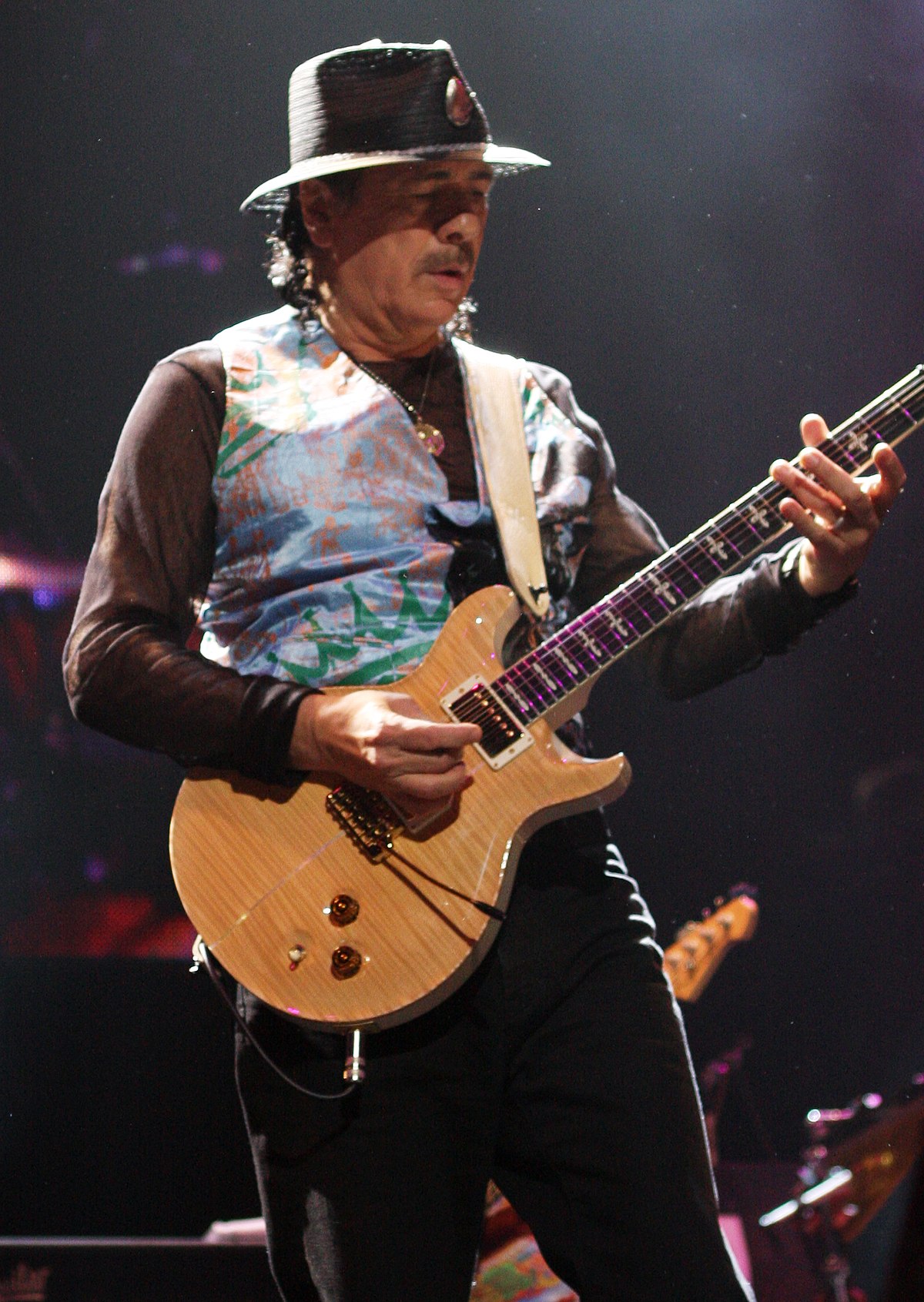
Carlos Santana, born on July 20, 1947, in Autlán de Navarro, Mexico, is one of the most influential and enduring figures in the world of music. With a career spanning over five decades, Santana’s unique blend of rock, Latin music, and jazz fusion has captivated audiences around the globe, earning him a place in the pantheon of musical legends. This article provides an in-depth look at Santana’s life, his rise to fame, and the highlights of his illustrious career.
Early Life and Musical Beginnings
Carlos Santana’s journey into the world of music began at a young age. Born into a musical family, his father was a mariachi musician who played the violin. This early exposure to music, particularly the rich and emotive sounds of mariachi, had a profound influence on young Carlos. He initially took up the violin but later switched to the guitar, which would become his instrument of choice and the vehicle for his musical expression.
The family moved to Tijuana when Santana was a child, and it was here that he began to immerse himself in the local music scene. Tijuana, a bustling city close to the U.S. border, was a melting pot of musical influences, including rock, blues, and jazz, which would later shape Santana’s distinctive sound. By his teenage years, Santana was already performing in local bands, honing his craft and developing the signature style that would eventually make him famous.
The Move to San Francisco and Formation of the Santana Blues Band
In the early 1960s, the Santana family relocated to San Francisco, a city that was rapidly becoming the epicenter of a cultural and musical revolution. The city’s vibrant and diverse music scene provided the perfect environment for Santana to expand his musical horizons. He was exposed to a variety of musical styles, including rock, jazz, and Latin music, all of which would influence his work.
In 1966, Santana formed the Santana Blues Band, which would later be shortened to just “Santana.” The band quickly gained a following in the San Francisco area, known for its electrifying live performances that fused rock with Latin rhythms. Santana’s guitar playing, characterized by long, sustained notes and soulful, expressive melodies, became the hallmark of the band’s sound.
Breakthrough at Woodstock and Rise to Fame
Santana’s big break came in 1969 when the band was invited to perform at the Woodstock Music and Art Fair, one of the most iconic music festivals in history. The performance at Woodstock was a defining moment for Santana, catapulting the band to national and international fame. Their electrifying set, which included the now-classic “Soul Sacrifice,” was one of the highlights of the festival and introduced Santana’s unique blend of rock and Latin music to a global audience.
Following Woodstock, Santana released their debut album, simply titled “Santana,” later that year. The album was a commercial success, driven by hits like “Evil Ways,” which showcased the band’s ability to blend rock, blues, and Latin music in a way that was both innovative and accessible. The album’s success was a testament to Santana’s ability to transcend musical boundaries and appeal to a wide range of listeners.
Musical Evolution and the Birth of Latin Rock
As the 1970s began, Santana continued to evolve musically. The band’s second album, “Abraxas,” released in 1970, marked a significant turning point in Santana’s career. The album featured some of Santana’s most enduring hits, including “Black Magic Woman,” “Oye Como Va,” and “Samba Pa Ti.” These tracks solidified Santana’s reputation as a pioneering force in the development of Latin rock, a genre that fused rock with Latin American music styles.
“Abraxas” was not only a commercial success, reaching the top of the Billboard charts, but it also demonstrated Santana’s deepening interest in spiritual and mystical themes. This interest would become a recurring motif in his music, as he sought to explore the connections between music, spirituality, and the human experience.
Santana’s third album, “Santana III,” released in 1971, continued the band’s streak of success. The album featured a more experimental sound, with extended instrumental passages and a greater emphasis on improvisation. Tracks like “No One to Depend On” and “Everybody’s Everything” showcased Santana’s ability to blend diverse musical influences into a cohesive and powerful whole.
The Spiritual Journey and Experimentation
Throughout the 1970s, Santana’s music became increasingly influenced by his spiritual beliefs. He became a follower of the Indian guru Sri Chinmoy, who had a profound impact on his life and music. This spiritual journey was reflected in Santana’s work, particularly in the album “Caravanserai” (1972), which marked a departure from the band’s earlier, more straightforward rock sound. “Caravanserai” was a more introspective and experimental album, incorporating elements of jazz fusion and world music.
While “Caravanserai” was less commercially successful than its predecessors, it was critically acclaimed and demonstrated Santana’s willingness to take risks and push the boundaries of his music. This period of experimentation also saw Santana collaborating with other musicians who shared his interest in spiritual and mystical themes. One notable collaboration was with jazz guitarist John McLaughlin, with whom Santana recorded the album “Love Devotion Surrender” in 1973. The album was a fusion of rock and jazz, inspired by the teachings of their shared guru, Sri Chinmoy.
Continued Success and Reinvention
Despite the challenges and changes in musical direction, Santana remained a force in the music industry throughout the 1970s and 1980s. The band continued to release albums that showcased Santana’s ability to blend genres and experiment with new sounds. Albums like “Welcome” (1973), “Borboletta” (1974), and “Amigos” (1976) saw Santana incorporating elements of funk, jazz, and world music into his sound, while still maintaining the core elements of rock and Latin music that had made him famous.
In the 1980s, Santana’s music continued to evolve, with the band exploring more commercial and radio-friendly sounds. This period included collaborations with a wide range of artists, including Herbie Hancock, Wayne Shorter, and Bob Dylan. Santana also contributed to the soundtrack for the 1987 film “La Bamba,” further cementing his status as a versatile and influential musician.
The Resurgence with “Supernatural” and Grammy Success
The late 1990s saw a resurgence in Santana’s career with the release of the album “Supernatural” in 1999. The album was a major commercial success, selling over 30 million copies worldwide and earning Santana nine Grammy Awards, including Album of the Year. “Supernatural” featured collaborations with contemporary artists like Rob Thomas, Eric Clapton, and Lauryn Hill, and included hits such as “Smooth” and “Maria Maria.”
“Supernatural” marked a triumphant return to the mainstream for Santana, introducing his music to a new generation of fans while staying true to his roots. The success of the album was a testament to Santana’s enduring appeal and his ability to adapt to changing musical trends without compromising his artistic integrity.
Legacy and Influence
Carlos Santana’s impact on music cannot be overstated. Over the course of his career, he has sold over 100 million records, won multiple Grammy Awards, and been inducted into the Rock and Roll Hall of Fame. His influence extends beyond the realm of rock music, as he has played a key role in bringing Latin music to a global audience and inspiring countless musicians across genres.
Santana’s guitar playing, characterized by its emotive, lyrical quality and his use of sustain and vibrato, has influenced generations of guitarists. His ability to blend different musical styles, from rock to jazz to Latin, has made him a pioneer in the world of fusion music. Santana’s commitment to exploring spiritual themes in his music has also set him apart from many of his contemporaries, adding a depth and complexity to his work that resonates with listeners on a profound level.
Personal Life and Philanthropy
Beyond his music, Carlos Santana is also known for his philanthropic efforts. He established the Milagro Foundation in 1998, which provides financial support for educational, health, and arts programs for underserved children around the world. Santana’s commitment to giving back to the community reflects his belief in the power of music to heal and transform lives.
In his personal life, Santana has experienced both triumphs and challenges. He has been open about his struggles with substance abuse and the impact of his spiritual journey on his life and career. Despite these challenges, Santana has remained a beloved and respected figure in the music industry, known for his humility, generosity, and dedication to his craft.
Conclusion: Santana’s Enduring Legacy
Carlos Santana’s life and career are a testament to the power of music to transcend cultural and linguistic boundaries. From his humble beginnings in Mexico to his rise to international fame, Santana has remained true to his artistic vision, continually pushing the boundaries of what is possible in music. His ability to blend different genres and his commitment to exploring spiritual themes have made him a unique and influential figure in the world of music.
As Santana continues to perform and record new music, his legacy as one of the greatest guitarists and musical innovators of all time is secure. His influence will undoubtedly continue to be felt for generations to come, as new artists draw inspiration from his groundbreaking work and his unwavering commitment to his craft.


