
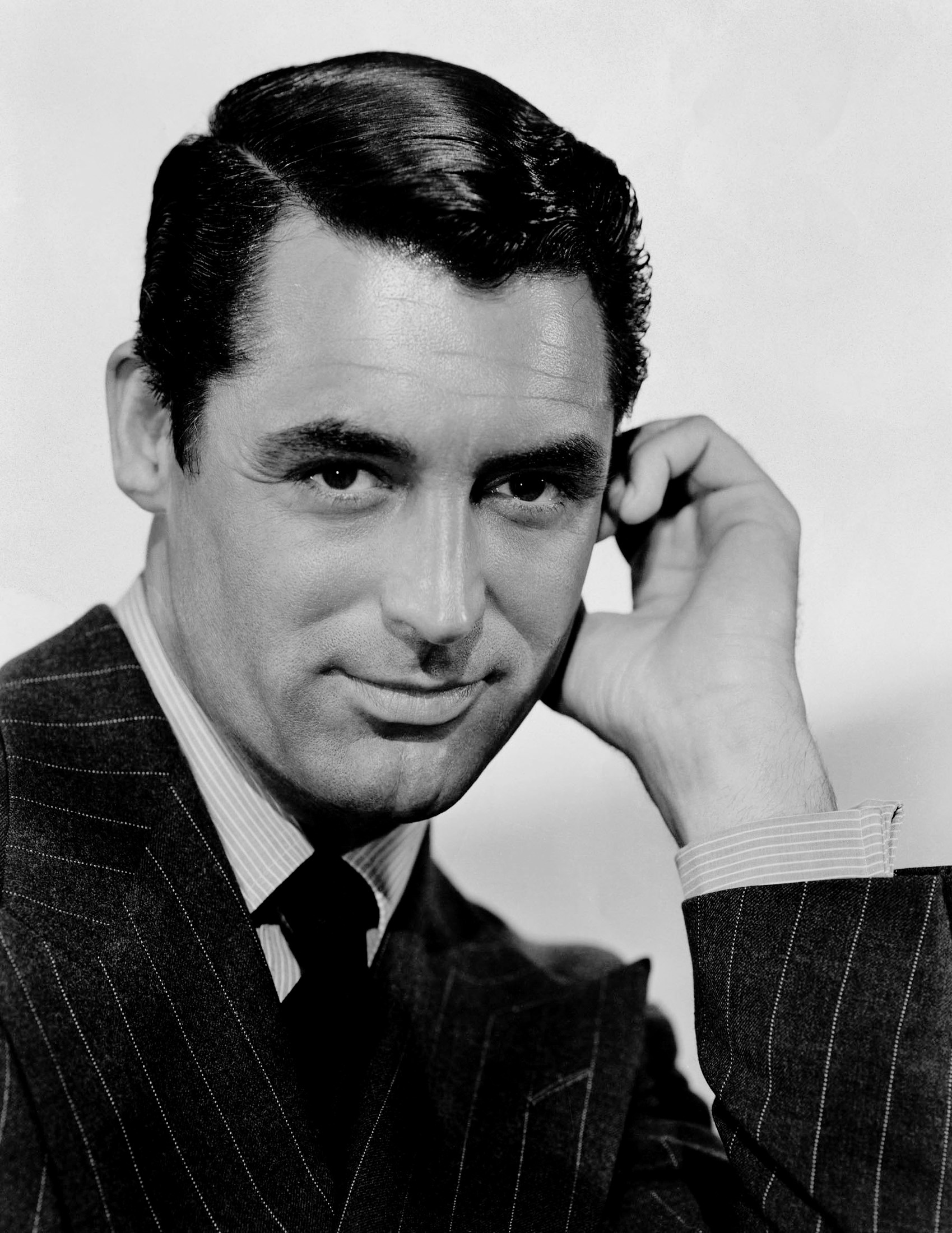
Cary Grant, born Archibald Alexander Leach on January 18, 1904, in Bristol, England, remains one of Hollywood’s most iconic figures. His journey from a troubled childhood in England to becoming one of the most celebrated actors in American cinema is a story of resilience, talent, and charm. This article delves into the life of Cary Grant, exploring the nuances of his age, fame, and the significant highlights that shaped his extraordinary career.
Early Life and Struggles
Cary Grant’s early life was far from the glamorous world he would eventually inhabit. Born into a working-class family, his childhood was marred by tragedy. When he was just nine years old, his mother was committed to a mental institution, a fact kept secret from him for many years. This traumatic event profoundly impacted young Archibald, contributing to his rebellious nature. At fifteen, he left school and joined Bob Pender’s troupe of acrobats, marking the beginning of his lifelong love for performance.
Grant’s early experiences with the Pender troupe allowed him to develop skills that would serve him well throughout his career. He honed his abilities as an acrobat and learned the art of physical comedy, which would later become a hallmark of his film performances. In 1920, at the age of 16, Grant made his way to the United States with the troupe, performing on Broadway in a show titled “Good Times.” The experience in America left a lasting impression on him, and he decided to stay.
The Birth of Cary Grant
After spending several years in America working various odd jobs, Grant returned to England briefly before making the final decision to settle in the United States. It was during this time that he transitioned from stage to screen, signing a contract with Paramount Pictures in the early 1930s. It was also during this period that he adopted the name “Cary Grant,” a moniker that would soon become synonymous with Hollywood sophistication and charm.
Grant’s early film roles were often small, but his good looks and on-screen charisma quickly caught the attention of audiences and filmmakers alike. His first significant role came in the 1932 film “This is the Night,” where his performance, though brief, hinted at the star potential that lay within him. His breakthrough came in 1933 when he starred opposite Mae West in two films, “She Done Him Wrong” and “I’m No Angel.” These films showcased his ability to play the suave, debonair leading man—a persona that would define much of his career.
The Rise to Stardom
The mid-1930s to the 1940s marked the period when Cary Grant truly became a household name. His collaboration with director George Cukor in films like “Sylvia Scarlett” (1935) allowed Grant to break away from the stereotypical romantic roles he had been cast in. Cukor recognized Grant’s comedic talent and gave him the opportunity to shine in more dynamic roles. The film “The Awful Truth” (1937), directed by Leo McCarey, further solidified Grant’s reputation as a master of the screwball comedy genre.
Grant’s comedic timing and ability to effortlessly switch between lighthearted and serious moments made him a favorite among directors and audiences alike. His collaborations with Howard Hawks, such as “Bringing Up Baby” (1938) and “His Girl Friday” (1940), showcased his versatility as an actor. In “Bringing Up Baby,” Grant played a timid paleontologist whose life is turned upside down by a zany heiress, played by Katharine Hepburn. The film is a perfect example of Grant’s skill in blending physical comedy with sophisticated wit.
The Hitchcock Era and Dramatic Roles
While Cary Grant was known for his comedic roles, he was also capable of delivering powerful dramatic performances. His collaborations with Alfred Hitchcock are among the most iconic in film history. Hitchcock recognized Grant’s potential to play characters with depth and complexity, casting him in a series of thrillers that remain classics to this day.
One of their most famous collaborations was “Notorious” (1946), where Grant starred opposite Ingrid Bergman. In this film, Grant played a government agent who becomes romantically involved with Bergman’s character while using her to infiltrate a group of Nazi sympathizers. The film’s blend of romance, suspense, and moral ambiguity allowed Grant to showcase his range as an actor.
Another standout performance was in “North by Northwest” (1959), where Grant played Roger Thornhill, a man mistaken for a government agent and pursued across the country by foreign spies. The film, known for its thrilling set pieces and Grant’s charming yet vulnerable portrayal of Thornhill, remains one of Hitchcock’s most beloved works.
A Career Filled with Highlights
Throughout his career, Cary Grant starred in a wide range of films that have become staples of classic cinema. In “Arsenic and Old Lace” (1944), directed by Frank Capra, Grant delivered one of his most energetic and comedic performances. Playing the role of a theater critic who discovers that his sweet, elderly aunts are actually serial killers, Grant’s frantic energy and comedic timing were on full display.
In “An Affair to Remember” (1957), Grant starred alongside Deborah Kerr in what is often considered one of the most romantic films of all time. The film’s story of two people who fall in love aboard a transatlantic cruise, only to face a series of obstacles before they can be together, resonated deeply with audiences and solidified Grant’s status as the ultimate romantic lead.
Grant’s final film, “Walk, Don’t Run” (1966), was a fitting end to his illustrious career. By this time, Grant had decided to retire from acting, feeling that he had accomplished all he wanted in the industry. His decision to step away from the spotlight was as graceful as his on-screen persona.
Personal Life and Legacy
Cary Grant’s personal life was as complex as some of the characters he portrayed on screen. He was married five times and had one daughter, Jennifer, with his fourth wife, Dyan Cannon. Despite his tumultuous personal life, Grant remained one of Hollywood’s most beloved figures.
Grant’s charm, wit, and elegance made him an enduring icon, and his influence can still be seen in Hollywood today. In 1970, he received an honorary Oscar for his lifetime of work, a fitting tribute to a man who had given so much to the world of cinema.
After retiring from acting, Grant remained active in the business world, serving on the board of directors for the cosmetic company Fabergé. However, the pull of the spotlight never entirely left him. He occasionally appeared at public events and even returned to the stage for a series of one-man shows titled “An Evening with Cary Grant,” where he shared stories from his life and career.
Cary Grant passed away on November 29, 1986, at the age of 82, leaving behind a legacy that few in Hollywood could match. His films continue to be celebrated for their wit, sophistication, and timeless appeal. Grant’s ability to combine elegance with a down-to-earth charm made him a unique figure in cinema, and his work continues to inspire actors and filmmakers alike.
Conclusion: The Timeless Appeal of Cary Grant
Cary Grant’s journey from a troubled youth in England to one of Hollywood’s greatest stars is a testament to his resilience, talent, and undeniable charm. His contributions to the world of cinema are immeasurable, with a filmography that spans genres and continues to captivate audiences decades after his passing.
Grant’s ability to seamlessly transition between comedy and drama, coupled with his iconic on-screen persona, has cemented his place in the pantheon of Hollywood legends. Whether playing a bumbling paleontologist, a suave spy, or a romantic lead, Cary Grant brought a unique blend of sophistication and relatability to his roles, making him a beloved figure both on and off the screen.
In the end, Cary Grant’s legacy is one of timeless elegance and enduring appeal. His films remain a testament to the golden age of Hollywood, and his influence continues to be felt in the industry today. Cary Grant was more than just a movie star; he was a symbol of grace, charm, and sophistication—a true icon whose legacy will endure for generations to come.


