
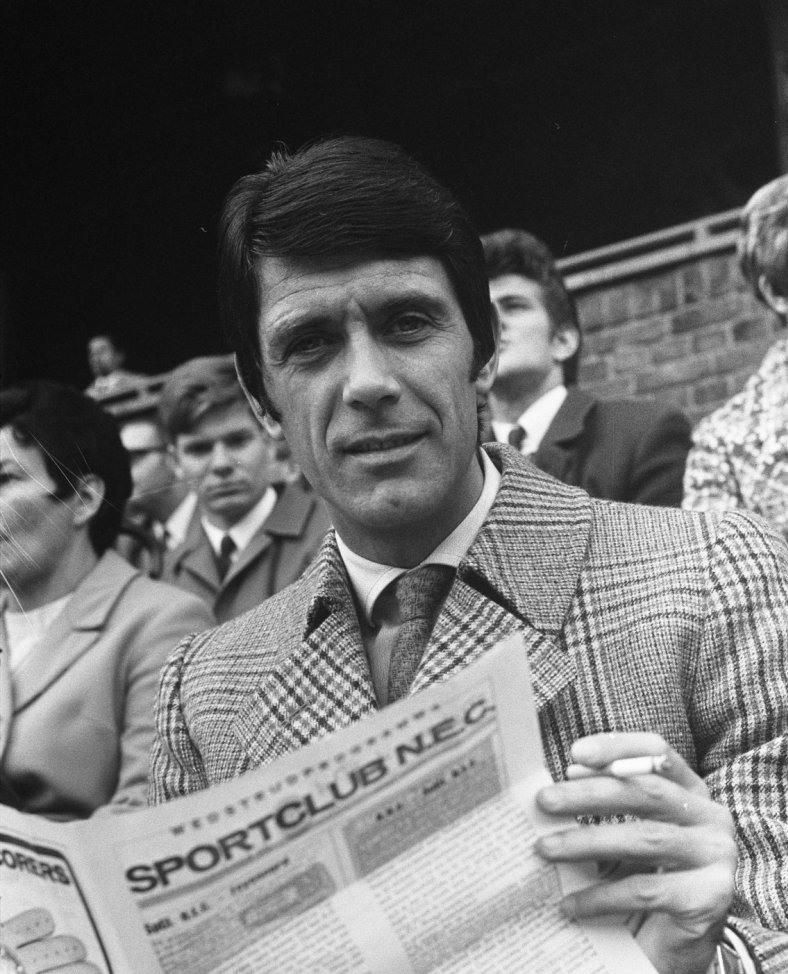
Cesare Maldini was a legendary figure in the world of football, particularly known for his contributions as both a player and a coach. His life story is one that reflects dedication, resilience, and a deep passion for the sport. Born on February 5, 1932, in Trieste, Italy, Cesare Maldini’s journey from a young football enthusiast to a celebrated football icon is both inspiring and noteworthy. This article delves into the various phases of his life, exploring his rise to fame, his career milestones, and the lasting impact he left on the sport.
Early Life and Football Beginnings
Cesare Maldini’s early life in Trieste, a city known for its rich history and cultural heritage, was marked by a growing interest in football. His passion for the game was evident from a young age, and it wasn’t long before he made his debut as a professional footballer. On May 24, 1953, Maldini played his first professional match with Triestina, an Italian football club. This match, a goalless draw against Palermo, marked the beginning of a remarkable career that would see him become one of Italy’s most respected footballers.
Maldini’s leadership qualities were apparent early on, and by the following year, he was already the captain of Triestina. His ability to inspire and lead his teammates was a precursor to his later roles as a coach and mentor.
The Milan Years: A Legacy in Red and Black
In 1954, Cesare Maldini joined AC Milan, a move that would define his career and establish his legacy in the football world. Over the course of 12 seasons with Milan, from 1954 to 1966, Maldini became a stalwart of the team, making 347 appearances and scoring three goals. However, his contributions went far beyond the numbers. Maldini was known for his exceptional defensive skills, his tactical intelligence, and his unwavering commitment to the team.
During his time with Milan, Maldini won four Serie A titles, a testament to his consistency and excellence on the pitch. Additionally, he played a pivotal role in Milan’s success in international competitions. One of the most significant moments of his career came in 1963 when he captained Milan to victory in the European Cup (now known as the UEFA Champions League), defeating Benfica in the final. This victory was not only a personal triumph for Maldini but also a historic achievement for AC Milan, marking the club’s first European Cup win.
International Career: Representing Italy
Cesare Maldini’s talent was not confined to club football. He also had a notable international career, representing Italy on 14 occasions. His debut for the national team came on January 6, 1960, in a match against Switzerland in the International Cup, which Italy won 3-0. Maldini’s leadership skills were once again recognized when he was named the captain of the national team during the 1962-1963 season.
Maldini was part of the Italian squad that competed in the 1962 FIFA World Cup in Chile, where he made two appearances. Although Italy’s campaign in the tournament was not particularly successful, Maldini’s performances were commendable, further solidifying his reputation as one of Italy’s finest defenders.
Transition to Coaching: Guiding the Next Generation
After hanging up his boots, Cesare Maldini seamlessly transitioned into a coaching role, where he continued to make significant contributions to the world of football. His coaching career began at AC Milan, where he served as an assistant to the legendary Nereo Rocco for three seasons. This period allowed Maldini to hone his coaching skills and gain valuable experience in managing top-level football.
Maldini’s first head coaching role came with Foggia, followed by stints at Ternana and Parma. His time at Parma was particularly notable, as he led the team to promotion from Serie C1 to Serie B, showcasing his ability to develop and motivate teams.
In 1980, Maldini took on the role of assistant coach for the Italian national team under Enzo Bearzot, a position he held until 1986. During this time, Italy won the 1982 FIFA World Cup, although Maldini’s role was more supportive than hands-on. However, this experience further enriched his understanding of the game at the highest level.
Maldini’s most significant achievement as a coach came during his tenure as the head coach of Italy’s Under-21 team, a position he held from 1986 to 1996. Under his guidance, the Italian Under-21 team won three consecutive European Championships, cementing Maldini’s reputation as one of the best youth coaches in the world. His success with the Under-21 team eventually led to his appointment as the head coach of the Italian national team in December 1996.
The 1998 World Cup: A Tough Campaign
Cesare Maldini’s tenure as the head coach of the Italian national team was marked by high expectations and intense scrutiny. His most significant challenge came in the 1998 FIFA World Cup in France. Italy entered the tournament as one of the favorites, and under Maldini’s guidance, they navigated the group stage and knockout rounds with a combination of tactical discipline and individual brilliance.
However, Italy’s World Cup campaign came to a heartbreaking end in the quarterfinals, where they were eliminated by France in a penalty shootout. Despite the disappointment, Maldini’s leadership and tactical acumen were widely praised. The French team that eliminated Italy went on to win the tournament, which somewhat softened the blow of Italy’s exit.
Return to AC Milan and Final Coaching Roles
After the World Cup, Cesare Maldini returned to AC Milan in February 1999, taking on the role of head and coordinator of the club’s scouting network. However, his love for coaching soon drew him back to the touchline. In March 2001, Maldini temporarily took over as Milan’s technical director, with Mauro Tassotti as the head coach, replacing Alberto Zaccheroni. Although Milan finished the season in sixth place, Maldini’s influence on the team was undeniable.
In June 2001, following the end of the season, Maldini stepped down from his coaching duties but remained with Milan as a technical advisor to the new head coach, Fatih Terim. This role allowed Maldini to continue contributing to the club’s success while transitioning into a more advisory capacity.
Maldini’s final coaching role came in December 2001 when he was appointed as the head coach of the Paraguayan national team. At the age of 70, Maldini led Paraguay to qualification for the 2002 FIFA World Cup in South Korea and Japan. His achievement made him the oldest coach at the tournament, a record that was later surpassed by Otto Rehhagel in 2010. Paraguay’s World Cup campaign ended in the Round of 16 with a narrow defeat to Germany, marking the end of Maldini’s illustrious coaching career.
Life After Football: A Legacy Remembered
After retiring from coaching, Cesare Maldini remained active in the football community. In 2012, he worked as a football pundit for Al Jazeera Sport, sharing his insights and expertise with a global audience. His contributions to football, both as a player and a coach, were widely recognized, and he was regarded as one of the game’s great minds.
Cesare Maldini passed away on April 3, 2016, in Milan, at the age of 84. His death was met with an outpouring of tributes from the football world, with many highlighting his contributions to the sport and the impact he had on the careers of countless players.
Historical Context and Impact
Cesare Maldini’s life and career were deeply intertwined with the history of Italian football. His journey from a young player in Trieste to a celebrated coach who guided teams to success at the highest levels is a testament to his dedication and passion for the sport. Maldini’s influence extended beyond the pitch; he was a mentor to many young players, including his son Paolo Maldini, who would go on to become one of the greatest defenders in football history.
Maldini’s career also reflects the evolution of football in Italy, from the post-war years to the modern era. His success as a player and coach coincided with a period of growth and international recognition for Italian football, particularly with AC Milan’s dominance in Europe during the 1960s.
In conclusion, Cesare Maldini’s life is a rich tapestry of achievements, challenges, and enduring legacy. He was more than just a footballer or a coach; he was a symbol of excellence, leadership, and the enduring spirit of Italian football. His story continues to inspire new generations of players and fans, ensuring that his legacy will live on for years to come.


