
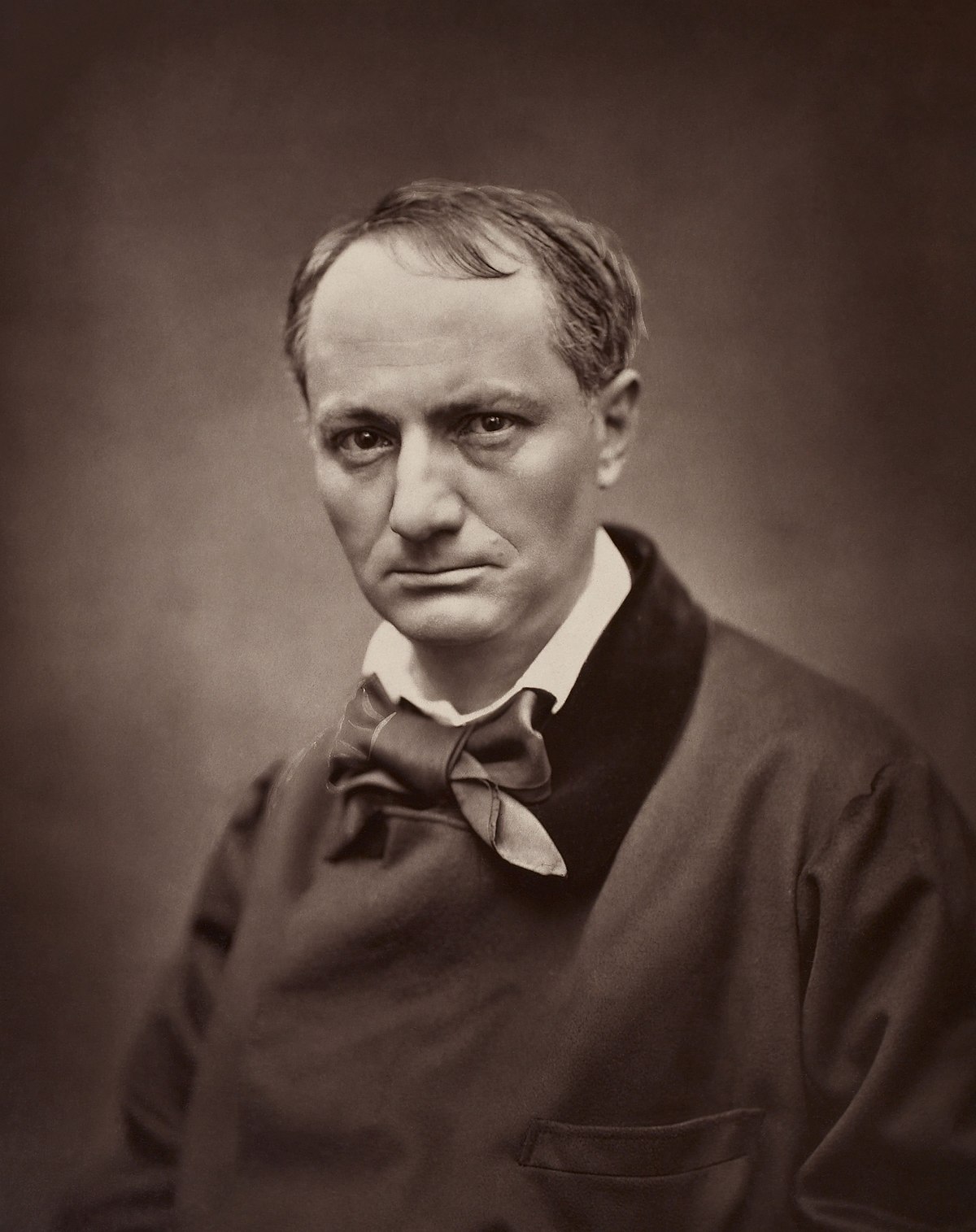
Charles Baudelaire, born on April 9, 1821, in Paris, is a towering figure in the world of poetry and literature. Known for his complex personality and profound influence on modern literature, Baudelaire’s life is a tapestry of artistic brilliance, personal turmoil, and societal challenges. This article provides a detailed exploration of Baudelaire’s age, achievements, and life highlights, offering insights into his historical context, literary contributions, and enduring legacy.
Early Life and Education
Charles Baudelaire was born into a family with contrasting influences. His father, Joseph-François Baudelaire, was a respected civil servant and amateur artist, significantly older than his mother, Caroline Archimbaut-Dufays. The death of his father when Charles was just six years old marked the beginning of a tumultuous childhood. His mother remarried Lieutenant Colonel Jacques Aupick, whose strictness and bourgeois values clashed with Baudelaire’s developing sensibilities.
Baudelaire’s education began at the Collège Royal, where his rebellious nature quickly became evident. His stepfather’s attempts to discipline him included sending him on a voyage to India, which Baudelaire aborted after ten months. This journey, however, exposed him to diverse cultures and landscapes, igniting his lifelong passion for exoticism—a theme that would permeate his later works.
Literary Beginnings and Parisian Life
Returning to Paris in 1842, Baudelaire immersed himself in the city’s vibrant literary and artistic scene. He became closely associated with prominent writers and poets, including Gérard de Nerval and Théophile Gautier, who influenced his literary style and provided him with moral and artistic guidance.
Baudelaire’s romantic entanglement with Jeanne Duval, a Haitian-born actress, played a significant role in his life and work. Jeanne became his muse, inspiring many of his poems with her exotic beauty and turbulent relationship. Despite financial difficulties and societal disapproval, their bond remained strong, with Jeanne providing support during Baudelaire’s periods of illness and creative struggle.
The Publication of “Les Fleurs du Mal”
Baudelaire’s literary breakthrough came with the publication of “Les Fleurs du Mal” (“The Flowers of Evil”) in 1857. This seminal work, comprising over a hundred poems, explored themes of beauty, decadence, eroticism, and existential angst. The collection’s stark realism and unflinching portrayal of human experience shocked contemporary readers, leading to legal action against Baudelaire for obscenity and immorality. Six poems were banned, and both Baudelaire and his publisher were fined.
Despite the controversy, “Les Fleurs du Mal” cemented Baudelaire’s reputation as a pioneering poet. The work profoundly influenced the symbolist movement and subsequent generations of poets, earning Baudelaire the title of “father of modern poetry.” His innovative use of language and exploration of taboo subjects marked a departure from traditional poetic forms, paving the way for future literary experimentation.
Struggles and Later Life
Baudelaire’s later years were marked by financial instability, health problems, and ongoing battles with depression. In 1861, he attempted suicide, reflecting the depth of his despair. Seeking refuge from his difficulties, Baudelaire turned to substances such as hashish, opium, and alcohol, which he described in his work “Les Paradis Artificiels” (“Artificial Paradises”).
In 1864, Baudelaire moved to Brussels, hoping to improve his fortunes by lecturing and promoting his work. However, his stay in Belgium was fraught with disappointment and alienation. His health deteriorated further, culminating in two strokes in 1866 and 1867, which left him partially paralyzed and unable to speak.
Baudelaire died on August 31, 1867, at the age of 46. He was buried in the Montparnasse Cemetery in Paris, alongside his mother and detested stepfather. His death marked the end of a life filled with artistic brilliance and personal torment, but his legacy continued to grow posthumously.
Posthumous Recognition and Legacy
Baudelaire’s work gained increasing recognition after his death. In 1949, the French Court of Cassation officially rehabilitated his memory, acknowledging the literary merit and historical significance of “Les Fleurs du Mal.” Today, Baudelaire is celebrated as one of the greatest poets of the 19th century, with his influence extending beyond literature to art, music, and philosophy.
Historical Context and Influence
Baudelaire’s life and work must be understood within the broader context of 19th-century France, a period marked by political upheaval, social change, and artistic innovation. The aftermath of the French Revolution, the rise and fall of Napoleon, and the establishment of the Second Empire under Napoleon III all shaped the cultural landscape in which Baudelaire operated.
The emergence of industrialization and urbanization brought profound changes to Paris, influencing Baudelaire’s perception of the city and its inhabitants. His poetry captures the contrasts and contradictions of modern life, portraying the beauty and squalor of urban existence. Baudelaire’s exploration of themes such as ennui (boredom), spleen (melancholy), and the search for transcendence resonated with readers grappling with the disorienting effects of rapid societal transformation.
The Impact of “Les Fleurs du Mal”
“Les Fleurs du Mal” remains a cornerstone of Baudelaire’s legacy, a work that continues to captivate and challenge readers with its vivid imagery and profound insights. The collection’s structure reflects Baudelaire’s meticulous craftsmanship, with each poem contributing to a cohesive exploration of human experience.
The themes of “Les Fleurs du Mal” are both timeless and universal. Baudelaire delves into the complexities of love, the allure of the forbidden, and the duality of beauty and decay. His portrayal of the human condition, marked by desire, suffering, and the quest for meaning, resonates with readers across different eras and cultures.
Baudelaire’s Prose and Critical Writings
In addition to his poetry, Baudelaire’s prose works and critical essays offer valuable insights into his artistic philosophy and intellectual pursuits. His essays on art, literature, and music reflect his deep engagement with contemporary cultural developments and his commitment to aesthetic innovation.
Baudelaire’s critical writings, such as “The Painter of Modern Life” and “The Philosophy of Toys,” showcase his keen observational skills and his ability to articulate the subtleties of artistic expression. His exploration of the relationship between art and modernity, as well as his championing of artists like Eugène Delacroix and Richard Wagner, underscores his role as a visionary thinker.
Personal Relationships and Influence on Peers
Baudelaire’s relationships with fellow writers, artists, and intellectuals were integral to his development as a poet. His friendships with figures like Théophile Gautier, Gustave Flaubert, and Edgar Allan Poe (whose works he translated into French) enriched his creative milieu and provided a network of support and inspiration.
Baudelaire’s influence on his contemporaries and successors cannot be overstated. The symbolist poets, including Paul Verlaine, Arthur Rimbaud, and Stéphane Mallarmé, drew heavily from Baudelaire’s innovations in form and content. His exploration of synesthesia (the blending of senses) and his emphasis on the evocative power of language helped shape the trajectory of modernist literature.
Conclusion
Charles Baudelaire’s life and work are a testament to the enduring power of artistic expression and the complexities of the human condition. From his early struggles and literary triumphs to his battles with personal demons and societal norms, Baudelaire’s journey reflects the tensions and triumphs of a true visionary.
His contributions to poetry and criticism continue to inspire and challenge readers, offering a window into the profound depths of the human soul. Baudelaire’s legacy, rooted in his exploration of beauty, decay, and transcendence, remains a cornerstone of modern literature, ensuring his place as one of the most influential poets of all time.


