
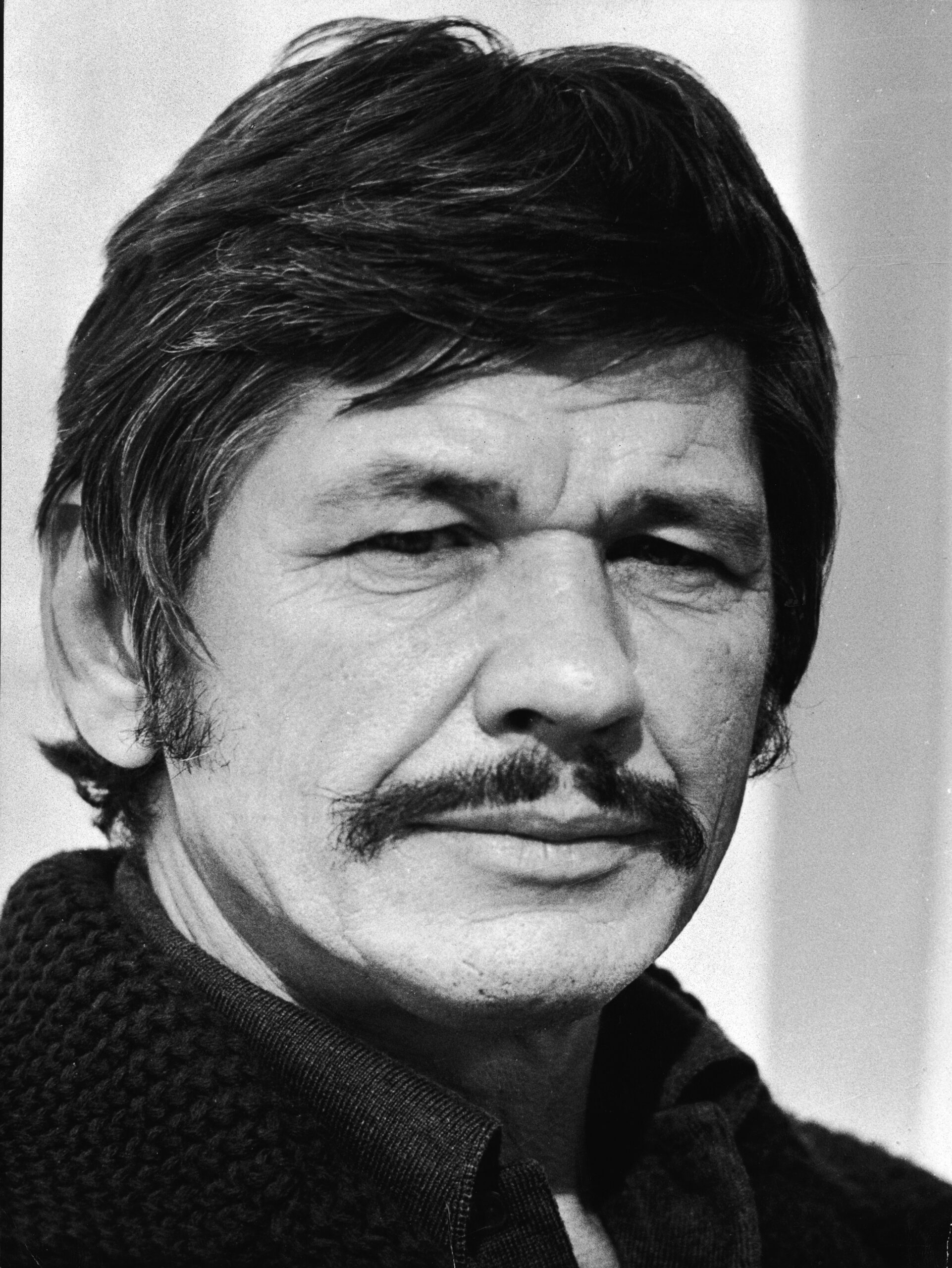
Introduction
Charles Bronson, born Charles Dennis Buchinsky on November 3, 1921, in Ehrenfeld, Pennsylvania, is an iconic figure in Hollywood, known for his rugged persona and tough-guy roles. His career, spanning several decades, solidified his status as a legendary actor in the action and western genres. Bronson’s journey from a coal miner’s son to a global film star is a testament to his relentless work ethic, unique talent, and undeniable screen presence. This article delves into the life of Charles Bronson, exploring his rise to fame, the highlights of his career, and the enduring legacy he left behind.
Early Life: The Making of a Tough Guy
Charles Bronson’s early life was marked by hardship and resilience. Born into a family of Lithuanian immigrants, Bronson was the eleventh of fifteen children. His father worked as a coal miner, a job that young Charles would also take on after his father’s death when he was only ten years old. The harsh conditions of the coal mines in Pennsylvania shaped Bronson’s character, instilling in him a toughness that would later become his trademark on screen.
Despite the financial struggles, Bronson was determined to pursue education. He managed to graduate from high school, a significant achievement given the circumstances. His work in the mines, where he earned just one dollar per ton of coal, was grueling, but it also fueled his desire to seek a better life. This desire led him to serve in the military during World War II, where he fought as an aerial gunner in the U.S. Army Air Forces. His experiences during the war further hardened him, both physically and mentally, laying the foundation for his future career in Hollywood.
The Road to Hollywood: From Miner to Movie Star
After the war, Bronson decided to pursue a career in acting, a dream that seemed distant given his background. He enrolled in drama classes in Philadelphia, where he worked tirelessly to hone his craft. His distinctive looks, characterized by his rugged face and intense eyes, initially made it difficult for him to land leading roles. However, these very features would soon become his greatest assets.
Bronson’s early career in Hollywood was marked by small, often uncredited roles in films and television shows. He adopted the stage name “Charles Bronson” in the 1950s, a move motivated by the anti-communist sentiment of the time (his real surname, Buchinsky, sounded too Eastern European). His big break came with the 1960 film “The Magnificent Seven,” where he played the role of Bernardo O’Reilly. This role showcased his ability to portray stoic, tough characters, and it earned him recognition in the film industry.
Rise to Fame: The Iconic Roles
The 1960s and 1970s were the golden years of Charles Bronson’s career. During this period, he became one of the most sought-after actors in the action and western genres. His portrayal of the “tough guy” archetype resonated with audiences around the world, making him a household name.
One of his most iconic roles came in 1968 with Sergio Leone’s epic western “Once Upon a Time in the West.” Bronson played the role of “Harmonica,” a mysterious gunslinger with a haunting past. The film is considered one of the greatest westerns ever made, and Bronson’s performance was central to its success. His steely demeanor and minimal dialogue made his character both enigmatic and unforgettable.
Another significant milestone in Bronson’s career was his role in “The Dirty Dozen” (1967), a film about a group of World War II prisoners sent on a suicide mission. The film was a massive success and further cemented Bronson’s reputation as a leading man in action films. His performance was characterized by a blend of toughness and vulnerability, a combination that became his signature style.
The “Death Wish” Series: A Controversial Legacy
Perhaps the most defining role of Charles Bronson’s career was that of Paul Kersey in the “Death Wish” series. The first film, released in 1974, tells the story of an ordinary man who becomes a vigilante after his wife is murdered and his daughter assaulted by criminals. The film was both a critical and commercial success, sparking a nationwide debate about justice, vigilantism, and the portrayal of violence in cinema.
“Death Wish” struck a chord with audiences, particularly in the United States, where the themes of crime and punishment were highly relevant during the 1970s. Bronson’s portrayal of Kersey, a man driven to take the law into his own hands, was both chilling and compelling. The success of the first film led to four sequels, all starring Bronson, each delving deeper into the character’s psyche and the moral ambiguities of vigilantism.
While the “Death Wish” series made Bronson an international star, it also attracted criticism. Some accused the films of glorifying violence and promoting a reactionary political agenda. Despite these controversies, the “Death Wish” films remain a significant part of Bronson’s legacy, showcasing his ability to tackle complex and provocative roles.
The 1970s and 1980s: Continued Success and International Stardom
The 1970s and 1980s were productive decades for Charles Bronson. He starred in a series of successful films that solidified his status as one of Hollywood’s top action stars. Some of his notable films during this period include “The Mechanic” (1972), “Hard Times” (1975), and “Breakheart Pass” (1975). These films showcased Bronson’s versatility, allowing him to explore different facets of the tough-guy persona he had perfected.
In Europe, Bronson became particularly popular, especially in France and Italy, where his films were well-received. His collaborations with European directors, such as Sergio Leone, contributed to his international appeal. In 1971, he was awarded the Golden Globe for being the “Most Popular Actor in the World,” a testament to his widespread influence.
Despite his success, Bronson remained a private individual, rarely giving interviews and keeping his personal life out of the spotlight. This air of mystery only added to his appeal, making him a larger-than-life figure both on and off the screen.
Personal Life: Behind the Tough Exterior
Charles Bronson’s personal life was as complex as the characters he portrayed on screen. He was married three times and had several children. His first marriage was to Harriet Tendler in 1949, with whom he had two children. The marriage ended in divorce after 18 years. His second marriage, to British actress Jill Ireland in 1968, was perhaps the most significant relationship of his life.
Bronson and Ireland had a son together and adopted a daughter. The couple appeared in numerous films together, often portraying characters with strong, supportive relationships. Ireland was diagnosed with breast cancer in the 1980s, and Bronson stood by her throughout her illness. She passed away in 1990, a loss that deeply affected Bronson.
In 1998, Bronson married his third wife, Kim Weeks, a woman 40 years his junior. The couple remained together until Bronson’s death in 2003.
The Final Years: Decline and Death
The later years of Charles Bronson’s life were marked by health challenges. In the 1990s, he was diagnosed with Alzheimer’s disease, which gradually diminished his once-formidable physical and mental faculties. Despite his declining health, Bronson continued to act in films and television until the late 1990s, maintaining his reputation as one of Hollywood’s most durable stars.
Bronson passed away on August 30, 2003, at the age of 81. He died of pneumonia while battling Alzheimer’s disease at the Cedars-Sinai Medical Center in Los Angeles. His death marked the end of an era, but his legacy as a cinematic icon endures.
Legacy: The Enduring Appeal of Charles Bronson
Charles Bronson’s legacy in Hollywood is defined by his unique ability to embody the “tough guy” archetype while imbuing his characters with depth and complexity. His roles in films like “Once Upon a Time in the West,” “The Magnificent Seven,” and “Death Wish” have left an indelible mark on the action and western genres, influencing countless actors and filmmakers.
Bronson’s appeal lay in his ability to portray men of few words but immense presence. His characters often spoke through action rather than dialogue, a trait that resonated with audiences and set him apart from his contemporaries. Even today, his films continue to be celebrated for their gritty realism and powerful performances.
Bronson’s impact extends beyond the screen. He broke barriers in Hollywood, becoming one of the first actors of Eastern European descent to achieve mainstream success. His journey from the coal mines of Pennsylvania to the heights of international stardom is a testament to his determination and talent.
Conclusion: A Hollywood Legend
Charles Bronson remains one of the most iconic and respected actors in Hollywood history. His contributions to the action and western genres have earned him a place among the greats, and his legacy continues to inspire new generations of actors and filmmakers. Whether remembered as the stoic gunslinger in “Once Upon a Time in the West” or the vigilante hero in “Death Wish,” Bronson’s work has left an indelible mark on the film industry.
His life story is a powerful reminder of the resilience and determination required to succeed in Hollywood. Bronson’s ability to overcome his humble beginnings and carve out a legendary career is an inspiration to aspiring actors everywhere. As we look back on his life and career, it is clear that Charles Bronson was more than just a movie star; he was a cultural icon whose influence will be felt for generations to come.


