
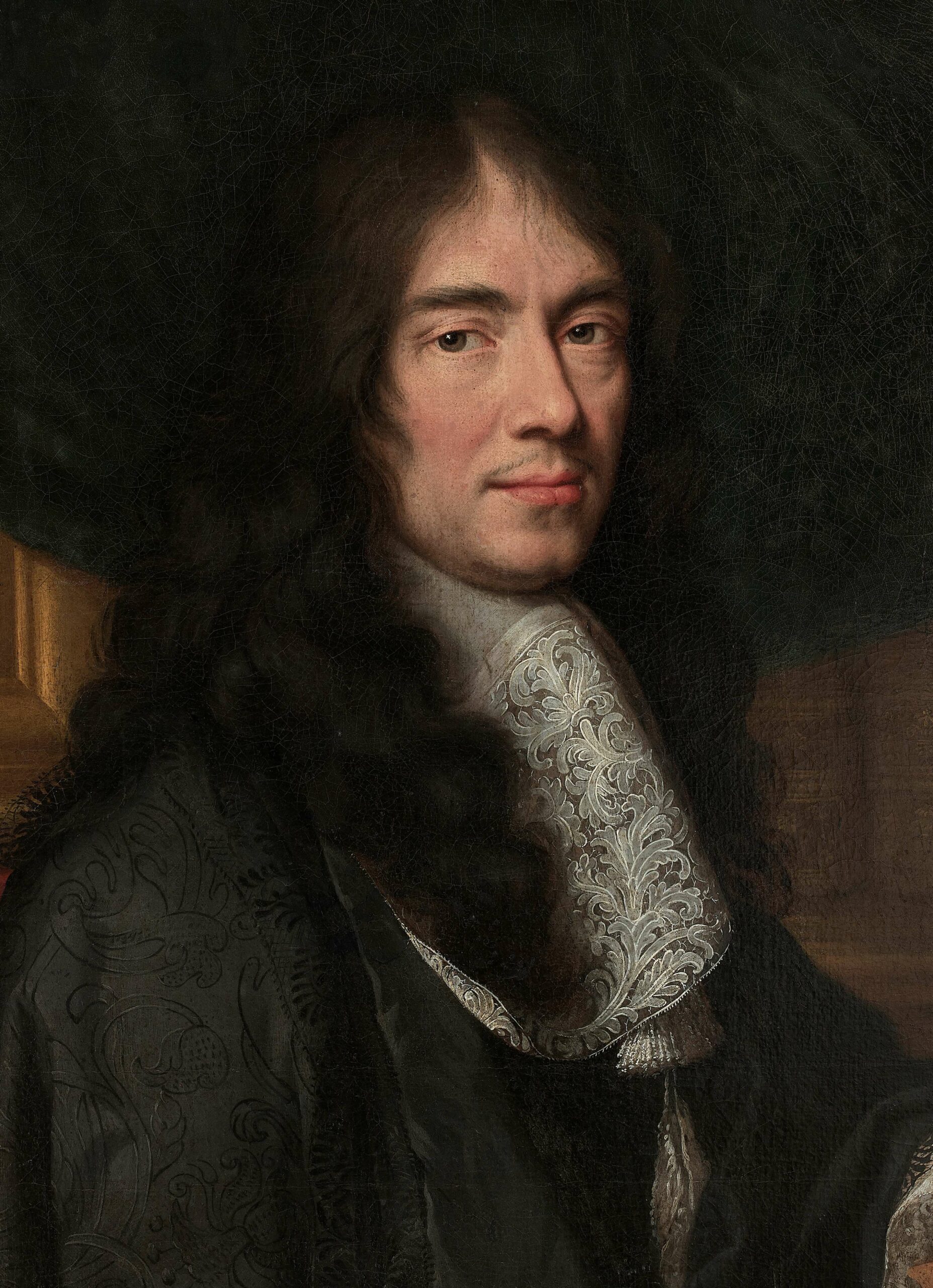
Charles Perrault, born on January 12, 1628, in Paris, France, is widely recognized as the father of the modern fairy tale. His literary contributions have left an indelible mark on European culture and beyond, with his stories serving as the foundation for much of the fairy tale tradition that has influenced generations. As a writer, poet, and member of the prestigious Académie française, Perrault’s works transcend the boundaries of time, securing his place as one of the most significant literary figures in history. This article explores the life, fame, and key highlights of Charles Perrault, delving into the nuances of his contributions and the historical context that shaped his legacy.
Early Life and Education
Charles Perrault was born into a wealthy bourgeois family in Paris, the youngest of seven children. His father, Pierre Perrault, was a successful lawyer in the Parliament of Paris, and his mother, Paquette Le Clerc, hailed from a similarly prosperous background. Charles had a twin brother, François, who tragically died at just six months old. His elder brother, Claude Perrault, became a renowned architect, best known for designing the eastern façade of the Louvre.
From an early age, Charles Perrault was groomed for a prestigious career. He received an excellent education, studying at the Collège de Beauvais in Paris, where he excelled in classical studies. Following in his father’s footsteps, Perrault pursued a law degree, which he completed in 1651. His legal training positioned him for a career in government service, a path that would eventually lead him to significant roles in the administration of King Louis XIV.
The Rise to Prominence in Paris
In 1654, Charles Perrault moved to Paris, where he joined his brother Pierre, who had recently been appointed a high-ranking official in the tax department. This move marked the beginning of Perrault’s active engagement in the literary and cultural life of the French capital. During this period, he became involved in several intellectual circles, contributing to the founding of the Académie des Sciences and the restoration of the Académie de Peinture.
Perrault quickly became a key figure in the Parisian literary scene, where he was an active participant in the “Quarrel of the Ancients and the Moderns.” This literary debate, which raged throughout the late 17th century, pitted proponents of classical literature (the “Ancients”) against advocates for contemporary innovation (the “Moderns”). Perrault was a leading voice for the Moderns, arguing that contemporary literature and art were superior to the works of antiquity. His most famous contribution to this debate was his poem “Le Siècle de Louis le Grand” (“The Century of Louis the Great”), published in 1687, which celebrated the achievements of King Louis XIV and the cultural advancements of his reign.
Perrault’s involvement in this intellectual debate culminated in the publication of “Parallèle des Anciens et des Modernes” (“Comparison of the Ancients and the Moderns”), a series of works published between 1688 and 1692. In these writings, Perrault argued that modern writers and artists had surpassed their ancient counterparts, a bold claim that drew criticism from traditionalists like Nicolas Boileau, a staunch defender of classical ideals.
Literary Career and the Birth of the Fairy Tale
While Charles Perrault’s career as a government official and his involvement in literary debates established his reputation in Paris, it was his later work that would cement his place in literary history. Perrault’s most enduring legacy lies in his creation of the modern fairy tale, a genre that he helped define and popularize.
In 1697, at the age of 69, Perrault published “Histoires ou contes du temps passé, avec des moralités” (“Stories or Tales from Times Past, with Morals”), a collection of eight fairy tales that would become some of the most famous stories in Western literature. The collection, also known as “Les Contes de ma Mère l’Oye” (“Tales of Mother Goose”), included timeless classics such as “Cinderella,” “Sleeping Beauty,” “Little Red Riding Hood,” “Bluebeard,” “Puss in Boots,” and “Tom Thumb.”
These tales were not entirely original; many were adaptations of folk stories that had been passed down orally for generations. However, Perrault’s genius lay in his ability to refine these tales, imbuing them with a literary elegance and moral clarity that appealed to both children and adults. His stories often featured clear moral lessons, reflecting the values and norms of 17th-century French society. For instance, “Cinderella” teaches the virtues of kindness and patience, while “Little Red Riding Hood” serves as a cautionary tale about the dangers of trusting strangers.
One of the remarkable aspects of Perrault’s fairy tales is their ability to transcend time and culture. The themes of love, jealousy, greed, and courage that pervade his stories are universal, allowing them to resonate with audiences across generations. Moreover, Perrault’s tales have been adapted countless times, inspiring operas, ballets, films, and literary works that continue to captivate audiences today.
The Historical Context and Perrault’s Impact
Charles Perrault’s fairy tales emerged during a time of significant cultural and social change in France. The late 17th century was marked by the consolidation of absolute monarchy under Louis XIV, known as the Sun King, whose reign saw the centralization of power and the flourishing of the arts. The court at Versailles became the epicenter of French culture, and the king’s patronage of the arts led to a golden age of literature, architecture, and music.
Perrault’s work must be understood within this context of cultural patronage and intellectual ferment. His tales, while seemingly simple and whimsical, reflect the complexities of the society in which he lived. They explore themes of power and authority, social mobility, and the role of women, often challenging the rigid social hierarchies of the time.
For example, in “Cinderella,” the titular character’s rise from rags to riches challenges the idea that social status is immutable. Similarly, “Sleeping Beauty” can be interpreted as a reflection on the nature of time and destiny, themes that were particularly resonant in an era obsessed with the ideas of order and control.
Perrault’s contribution to literature extended beyond his fairy tales. As a member of the Académie française, he played a crucial role in shaping the French language and literary standards. His advocacy for the Moderns in the literary quarrel helped pave the way for future generations of writers who sought to innovate and push the boundaries of literary form.
Later Life and Legacy
In his later years, Charles Perrault continued to write, though none of his subsequent works would achieve the same level of fame as his fairy tales. His personal life was marked by both triumph and tragedy. In 1672, he married Marie Guichon, a young woman of 19, with whom he had three sons and a daughter. Unfortunately, Marie died just six years later, in 1678, leaving Perrault to raise their children alone.
Despite these personal challenges, Perrault remained active in literary and intellectual circles until his death on May 16, 1703, at the age of 75. His passing marked the end of an era, but his influence on literature and culture would only continue to grow in the centuries that followed.
Charles Perrault’s legacy is perhaps most evident in the continued popularity of his fairy tales. These stories have been translated into countless languages and adapted into various forms of media, from books and plays to films and television shows. The characters and narratives that Perrault crafted have become archetypes, embedded in the cultural consciousness of people around the world.
Moreover, Perrault’s work laid the groundwork for future writers of fairy tales and children’s literature. The Brothers Grimm, who are often credited with popularizing the fairy tale genre in the 19th century, drew heavily on Perrault’s stories, as did later writers like Hans Christian Andersen and the creators of modern-day fairy tales in cinema and literature.
Conclusion
Charles Perrault’s contributions to literature are profound and enduring. As the father of the modern fairy tale, he transformed simple folk stories into sophisticated narratives that continue to captivate readers of all ages. His tales, rich in moral lessons and universal themes, have transcended their origins to become timeless classics, influencing generations of writers, artists, and storytellers.
Perrault’s life and work also offer valuable insights into the cultural and intellectual climate of 17th-century France. His engagement in the literary debates of his time, his role in shaping the French language, and his contributions to the arts and sciences all reflect the dynamic and vibrant society in which he lived.
Today, Charles Perrault is remembered not only for his fairy tales but also for his broader impact on the literary world. His stories continue to inspire and entertain, proving that the magic of a well-told tale never fades. As we continue to read and reinterpret his work, Perrault’s legacy as a master storyteller and cultural innovator remains as relevant as ever.


